I wrote this FAQ for Somakosha, to address the most common questions international architects, contractors, designers, and clients have about their process. It largely applies to anyone trying to utilize this kind of carpentry outside of Japan, though.
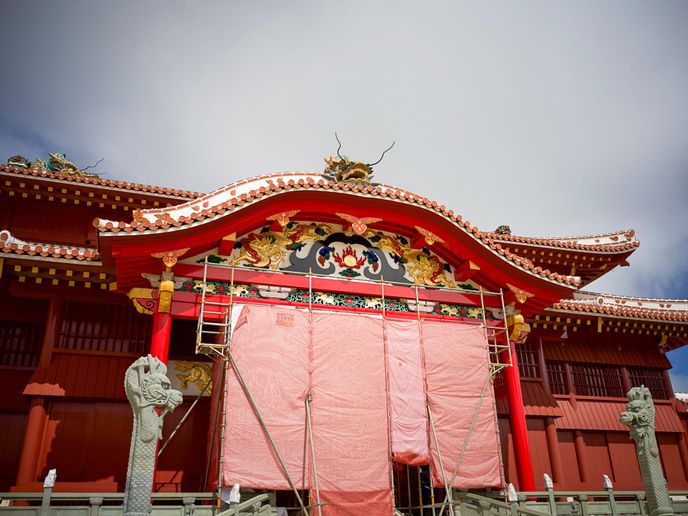
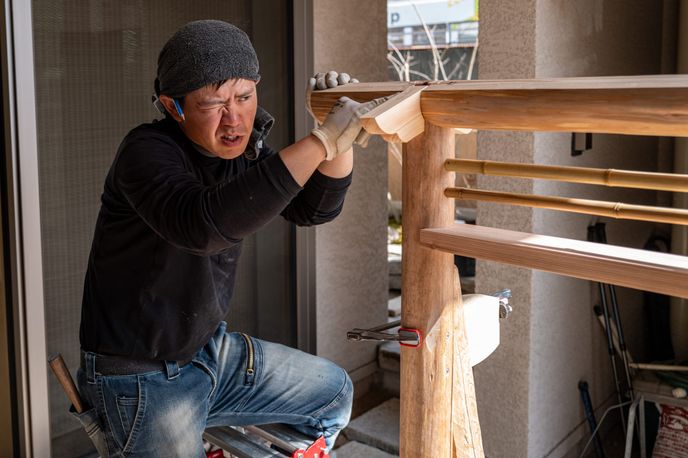
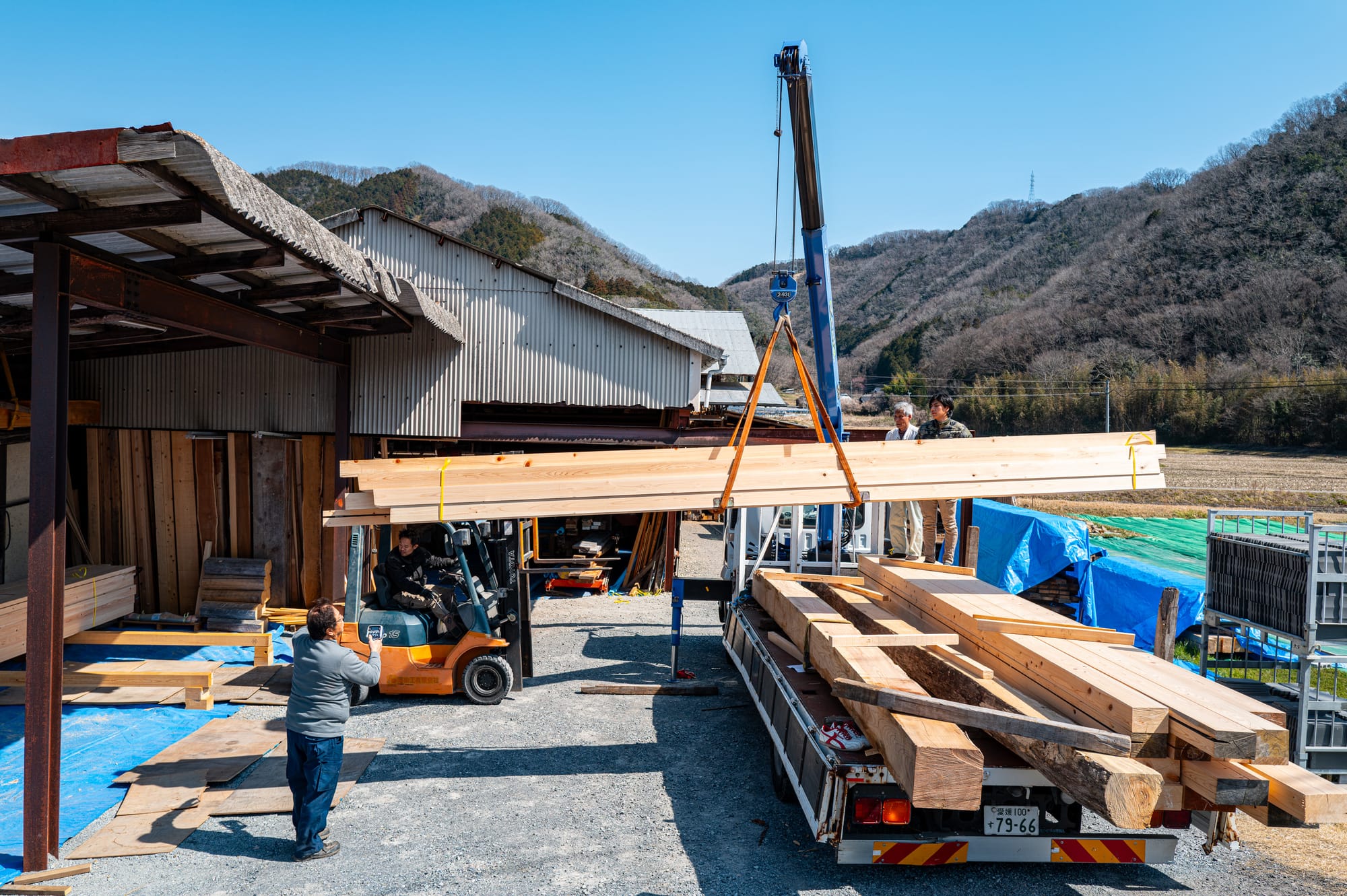
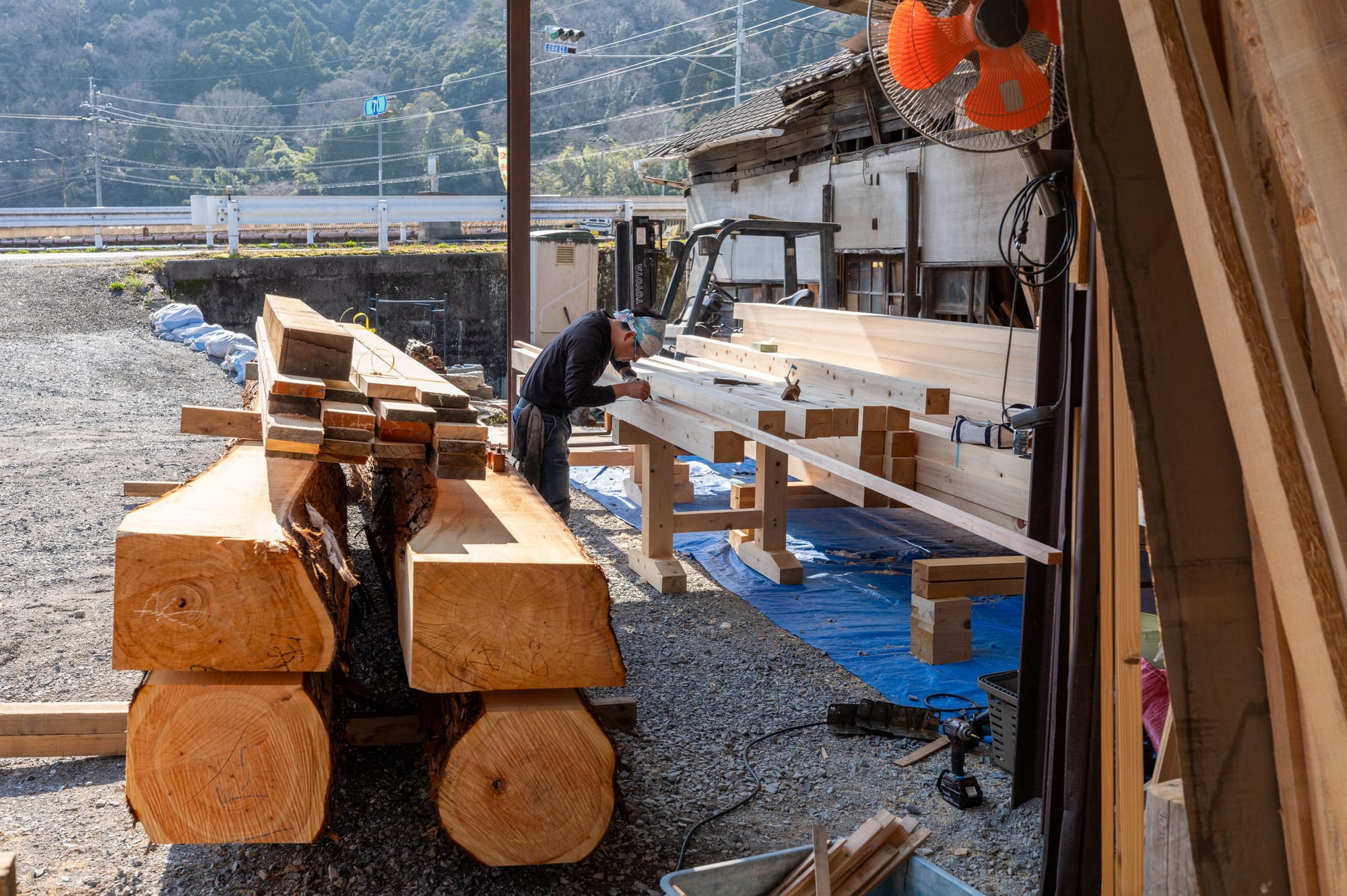
(The photos in this post are for a public project Somakosha is working on for a project in Honolulu, Hawaii. But they have worked in Europe, and North America before.)
Is it possible to work with Japanese carpenters anywhere in the world Mostly, yes. Working internationally is common for high-end Japanese carpentry firms. Firms equipped to handle international work have designed and built projects in the Americas, Europe, the Middle East, and the rest of Asia. Usually, that means the carpenters work under a local general contractor, with or without an architect.
Why Japanese carpentry?
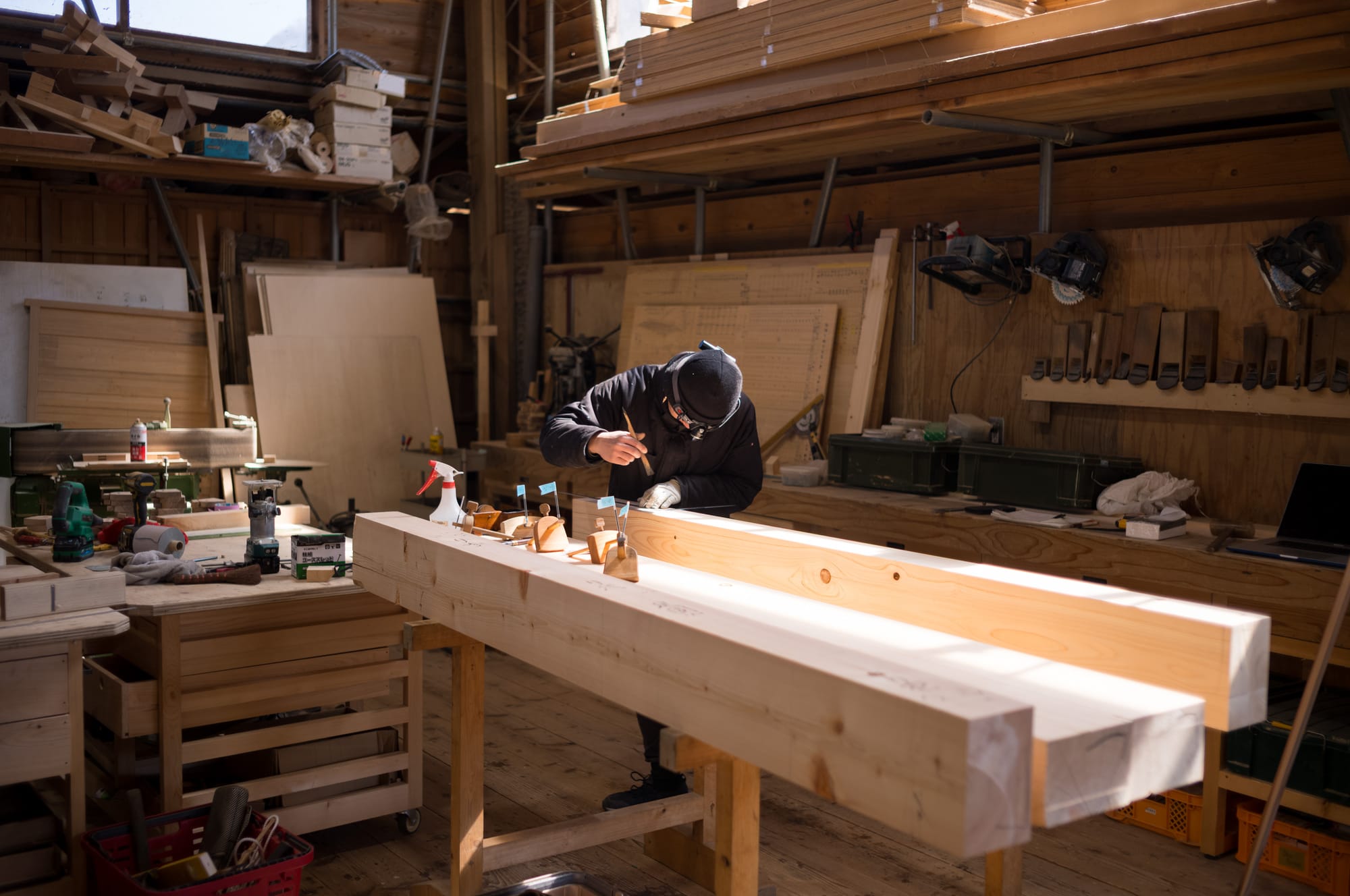
Unusually close attention to detail is the norm in Japanese carpentry and design. And because it is the norm, Japanese carpenters are not only detailed but also fast, accurate, and beautiful. The hand saws used can be as thin as 0.2mm and can cut a thin pencil line in half. Using hand-forged chisels sharpened to a high degree, most high-end firms build their joints to a target of 0.3mm accuracy on an architectural scale. Wood is oriented to resist weather and reflect the natural beauty of the grain, and to dry over time in a way that creates tightness, not looseness, in the frame. Hand planes, able to take shavings 1/10 the thickness of a human hair, are used to finish the surfaces. The planed surfaces gain a gentle luster that resists dirt and moisture. Planing is also faster than sanding, saving on labor costs. The joinery has been time-tested over centuries of earthquakes to be sturdy yet flexible and repairable. The feeling of living alongside carpentry like this elevates the spirit.
All of this is possible through the human connection between master carpenters and apprentices, passed down through tradition for thousands of years.
Why is Japanese carpentry so beautiful?
Japanese carpenters are capable of elevating any style of carpentry through a deep culture of understanding of wood and sensitivity, influenced by Shintoism and Buddhism. This influence shows up in the selection of trees and lumber, the orientation of grain in a project, and finer handling through sharper tools and techniques passed down from the mainland of Asia and refined over generations.
Are Japanese carpenters limited to designing and building traditional Japanese architecture?
Japanese architecture directly influenced modern architecture. So Japanese carpentry is uniquely suited to other types of buildings. Somakosha’s partners are interested in bringing the highest level of carpentry and craftsmanship to both modern and historic designs.
What about language and cultural barriers? The language barrier is real in many cases, with most projects requiring a translator who also understands construction. Uniquely, Somakosha carpenters and owners speak English. And have also worked not only on the grand shrines of Japan but all over the world, negating the need to hire a translator. They also have design, contractor, and architecture partners on many continents who are ready to assist.
When in my project timeline should I contact a Japanese carpentry firm?
For timber frames, firms are often asked at the last minute to help build something that does not meet standards. Bringing in a Japanese carpenter during the design phase—not just when it is time to build—is critical to understanding authentic Japanese design and vocabulary. This way, we can best integrate them authentically into your project.
One of the most important things to understand is that the idea of an architect as the sole designer of a building is a relatively new concept. In most cultures, historically speaking, the one who designs the building is also the one who has to build it and guarantee it.
For finish carpentry, doors and windows, cabinets, and other types of fine woodworking, we may be able to help later in the process.
What else is possible for Japanese Carpenters to do in a building, besides a timber frame?
Japanese carpenters are known for being highly skilled in everything from design to the finished work. Japanese carpenters are often hired in Japan to do everything from bespoke furniture and lighting to built-in solid-wood cabinets in kitchens and baths to bathtubs. They are also commonly used to construct gates, fences, garden structures, pool houses, bathhouses, and tea rooms.
How would the work process go?
After a collaborative design process and submission for any necessary permitting, the actual construction of the work is done on site, with materials gathered, cut, and finished in a shop in Japan.
Usually, 70% of the project’s work is completed by the time materials are cut and finished. Then, materials are carefully packed and shipped to the site. Since materials are already ready to be joined at this point, construction on site happens much more quickly than a Western frame–a small team can raise a large frame in only a few days.
Finish work can be handled by Japanese carpenters or through a collaboration between local contractors and Japanese carpenters.
Is work usually on time?
Work in Japan at higher-end firms is always on time due to legal and cultural obligations.
Are timber frames legal and to code?
Since Japanese timber frames are not a common building type in most other countries, an architect or engineer will often be required to obtain a variance. Technically, Japanese Timber frames have existed for 100s of years and have evolved in a country known for its strong seismic activity, as well as every type of natural disaster known to man.
Can Japanese timber frames be made energy efficient?
Of course. Through things like windows and insulation, as well as the type of lifestyle that buildings like these afford. Traditionally, the lifestyle of the people who inhabited these houses was in tune with the seasons and environment. Modern versions offer the possibility of much more insulation in floors, walls, and ceilings, higher-performance glazing, and other passive house design features.
How is shipping handled?
Materials are processed and checked, then meticulously wrapped in paper and padding to prevent them from changing color in sunlight. (There is even a special tape that Japanese carpenters use to secure the paper so it does not tear out grain when removed.) Materials are then shipped out by ocean-going containers or even by air. Containers can take 2-3 months. Customs and import rules are observed throughout the transit process.
What happens when the work pieces arrive?
Landed containers can go to the site or be stored for later construction.
Our team will fly out to assemble and install the work, wearing gloves, because in Japan, oil on one's hands can change the luster of the wood finish before the customer gets to enjoy it.
Since pre-cut and finished joinery in the shop, with well-selected and conditioned wood, allows for precise and quick fitting of pieces on site, the work goes much faster than work that has to be cut, nailed, glued, screwed, sanded, and then finished with paint or oil on site.
Where do you source your lumber?
Because Japanese carpentry emphasizes wood quality, selection, and orientation to best serve the aesthetic and functional needs of the work, Japanese carpenters work with Japanese lumber suppliers, supply their own wood to specification, and buy logs at auction, avoiding lumber markup costs.
How can Japanese carpenters possibly be competitive with local carpenters?
In large cities, costs are comparable or competitive. In some cases, in more rural areas, they won’t be. If you have a small project or one that does not require the highest-end carpentry, working with people in your community may make sense. Supporting local craftspeople is important.
However, the costs of land, food, housing, and lumber, the price of the yen, and the low cost of sending a shipping container full of wood to carpenters in Japan give carpenters in Japan a cost and quality advantage that can translate into the highest level of work at a fair price.
Why would Japanese carpenters bother to work internationally?
The spirit of traditional Japanese aesthetics and craftsmanship is known throughout the world. We want to share these standards of beauty, efficiency, and precision with everybody who cares about timeless design and craftsmanship.
If you are thinking about a collaboration, it's probably best to find the right firm to contact. Since the community is pretty small, I'm happy to refer you to the right people if you contact me at hello@paklan.org You can also contact Somakosha directly.
Subscribe