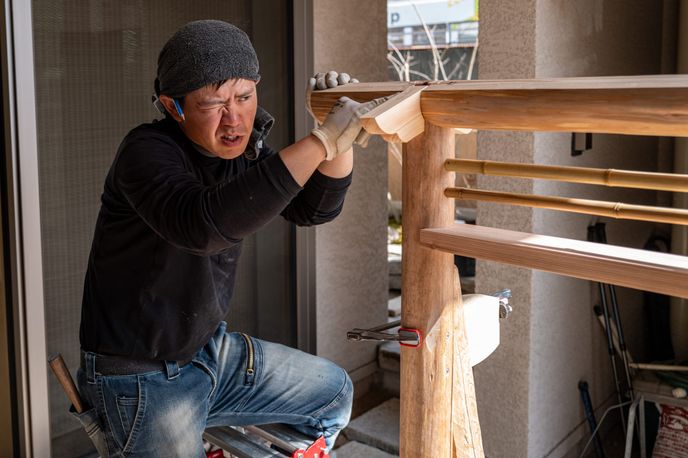
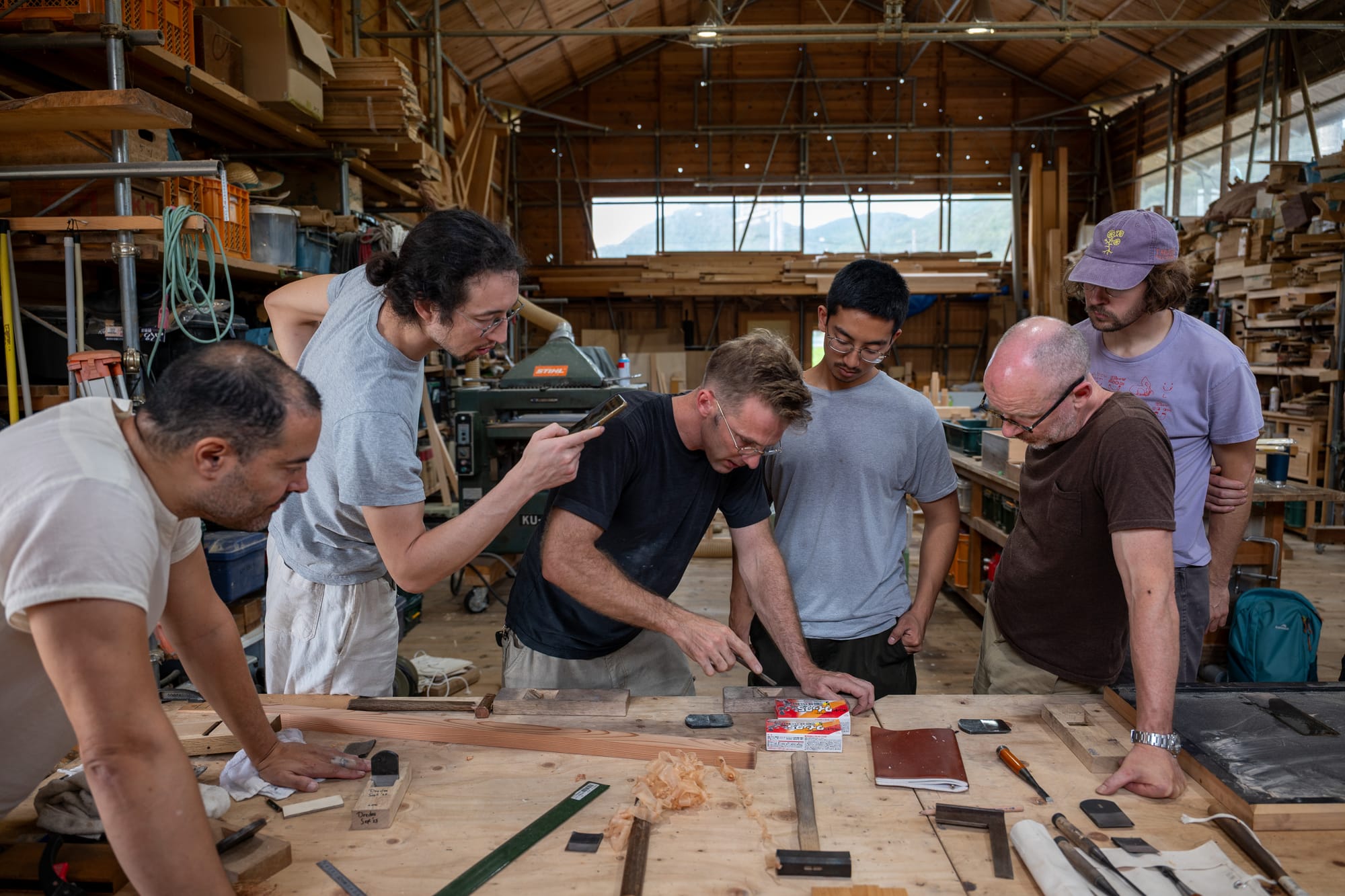
Just the other day at work at Somakosha, I saw a talented young carpenter with almost a decade of experience get some tips on using his hand saw to gain a bit of accuracy. It triggered a memory of that same tip being given to students in a class the week before.

There is a lot of interest in carpentry apprenticeships in Japan. Over the last year as an apprentice here, many friends and strangers have asked me for my thoughts on landing an apprenticeship. I tell most people the same thing: I think that classes make more sense for most people.
I'm not trying to bullshit you. An apprenticeship isn't woodworking all day in Japan.
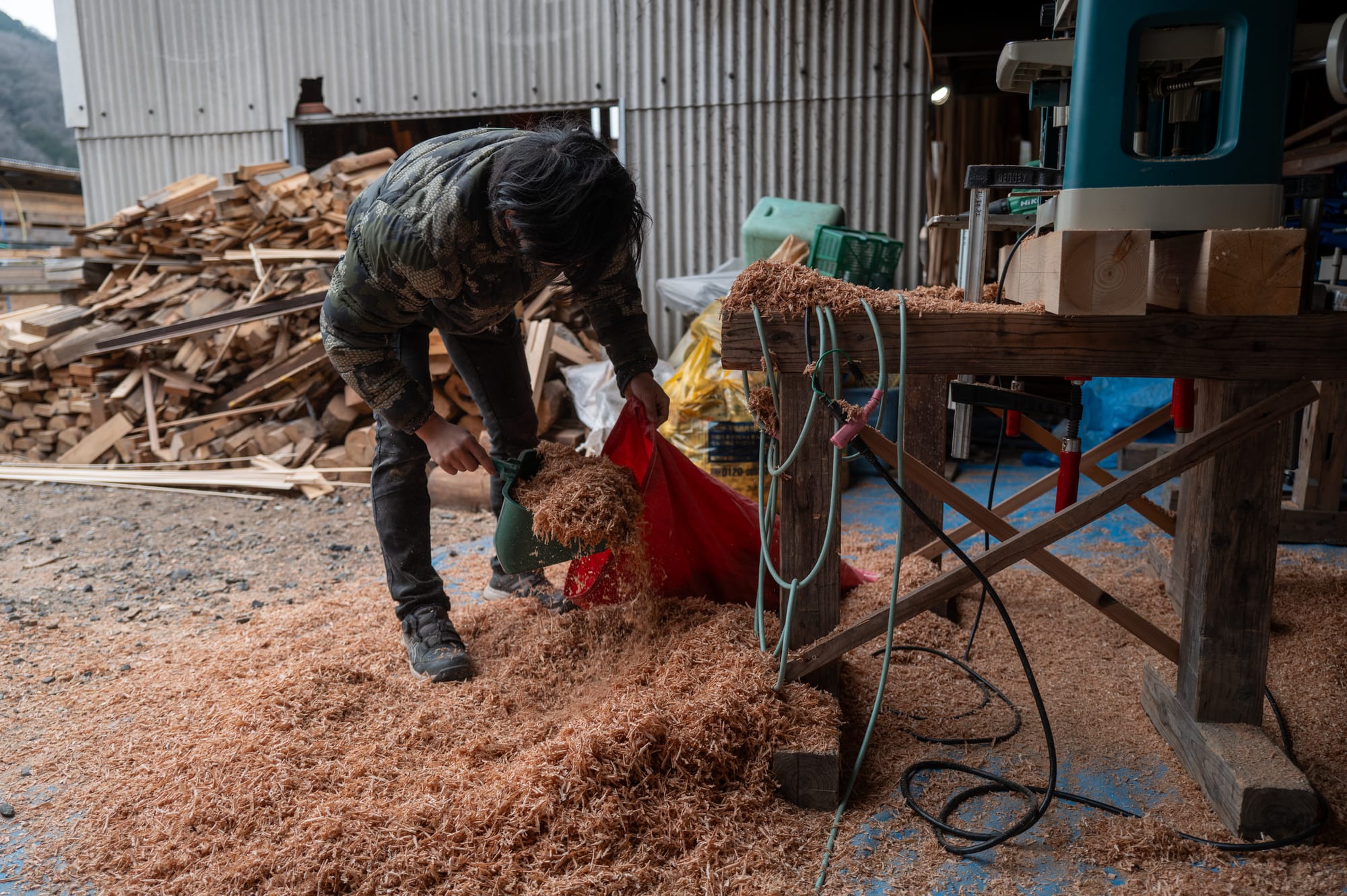
If you just want to learn how to use Japanese tools, taking a class is the quickest and most wonderful way to do so. That is because in a modern shop, most of the work apprentices do has nothing to do with cutting wood.
And, believe it or not, Japanese carpentry apprentices don’t really get taught much woodworking at all, so it’s up to them to escape this early stage of apprenticeship. Our philosophy here is that people will help you teach yourself, but you have to teach yourself.
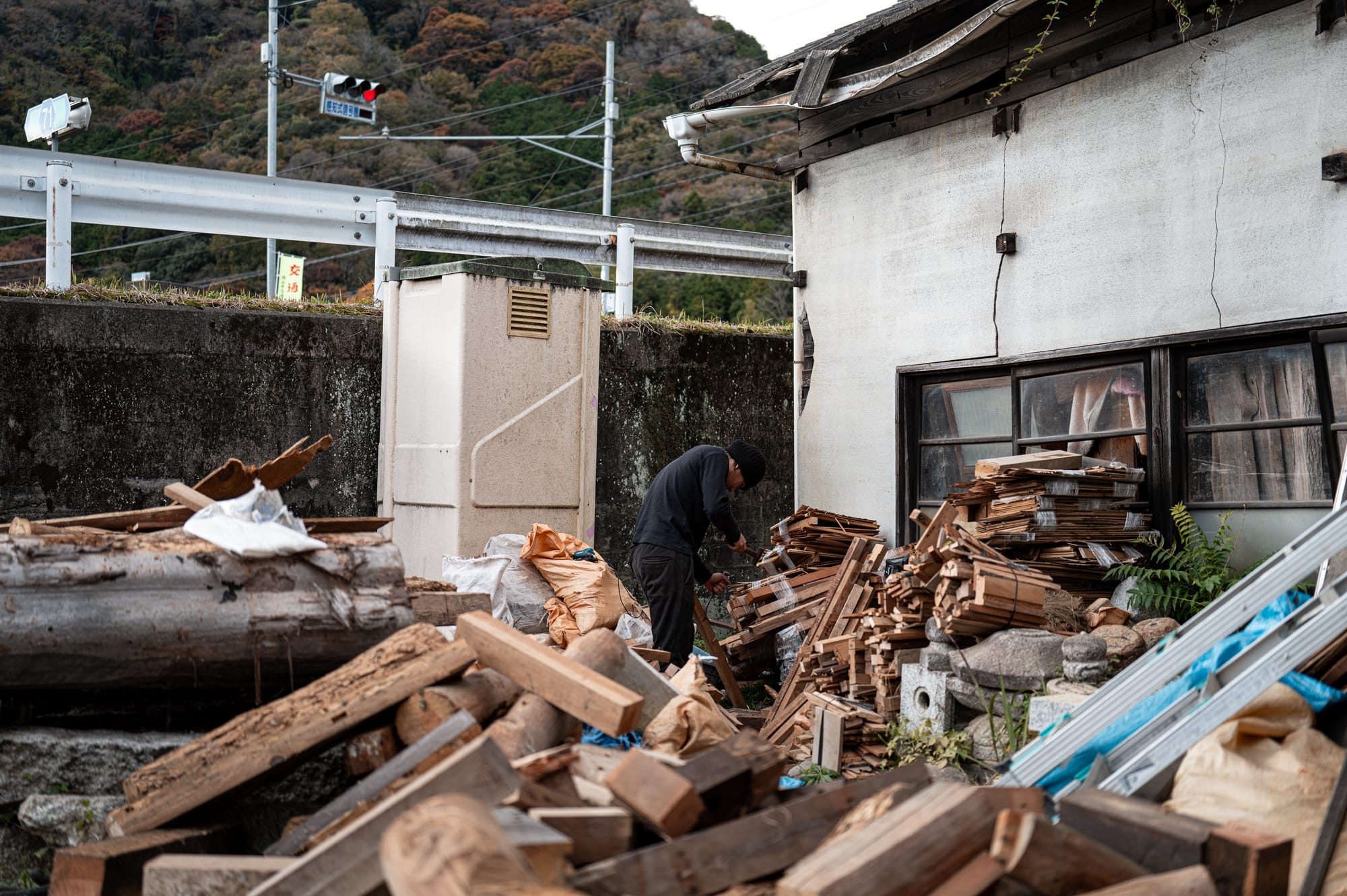
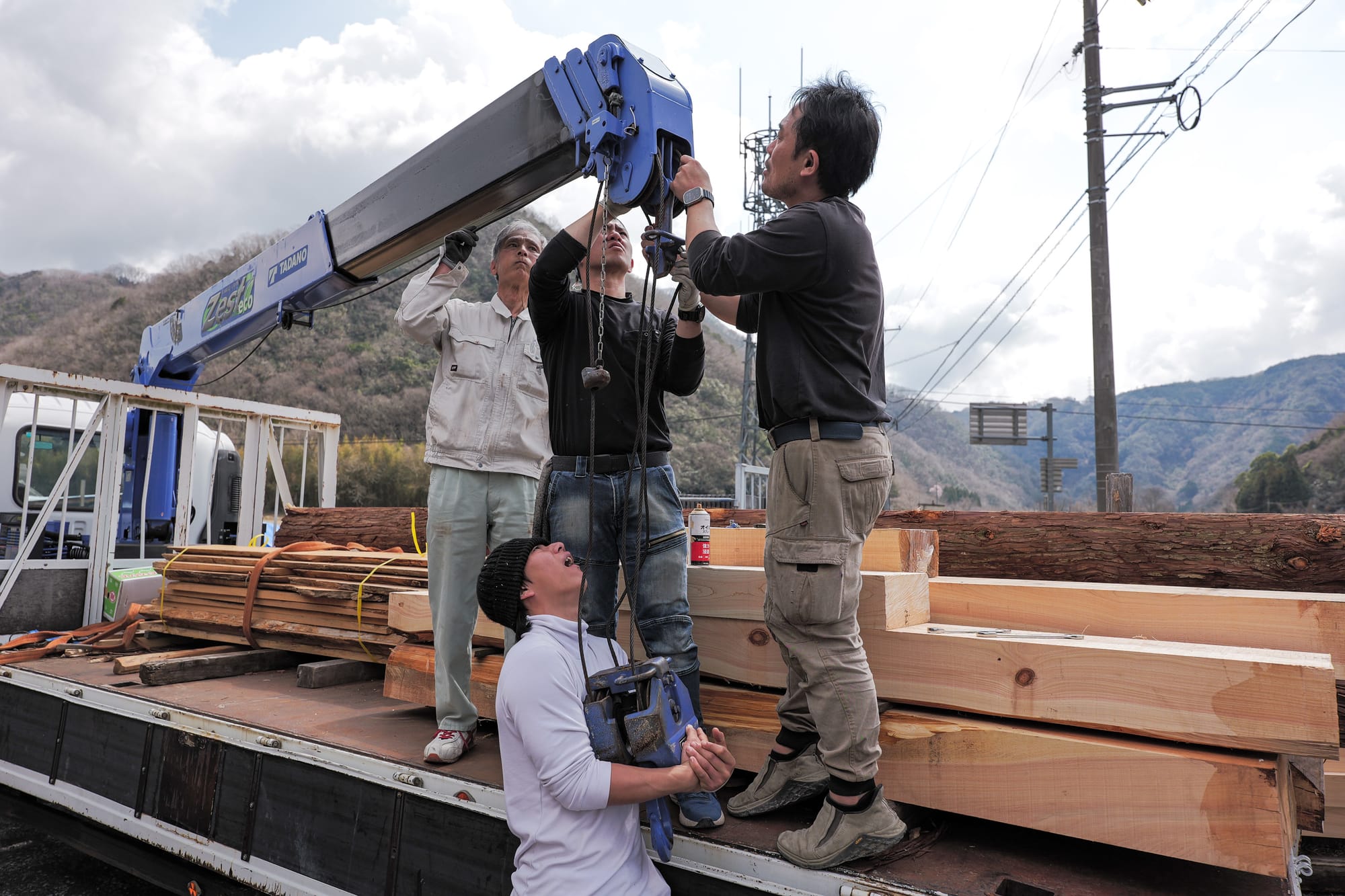
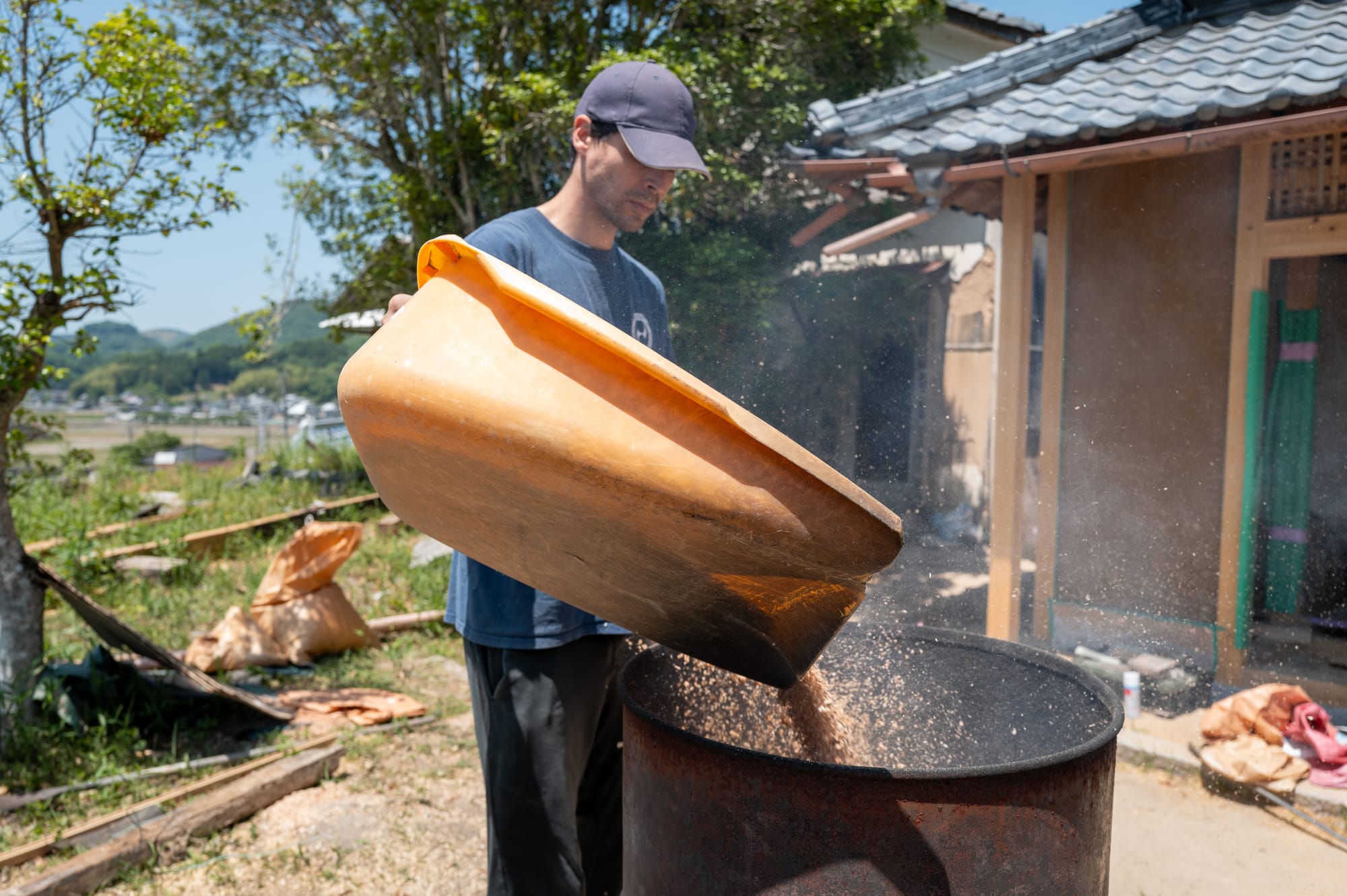
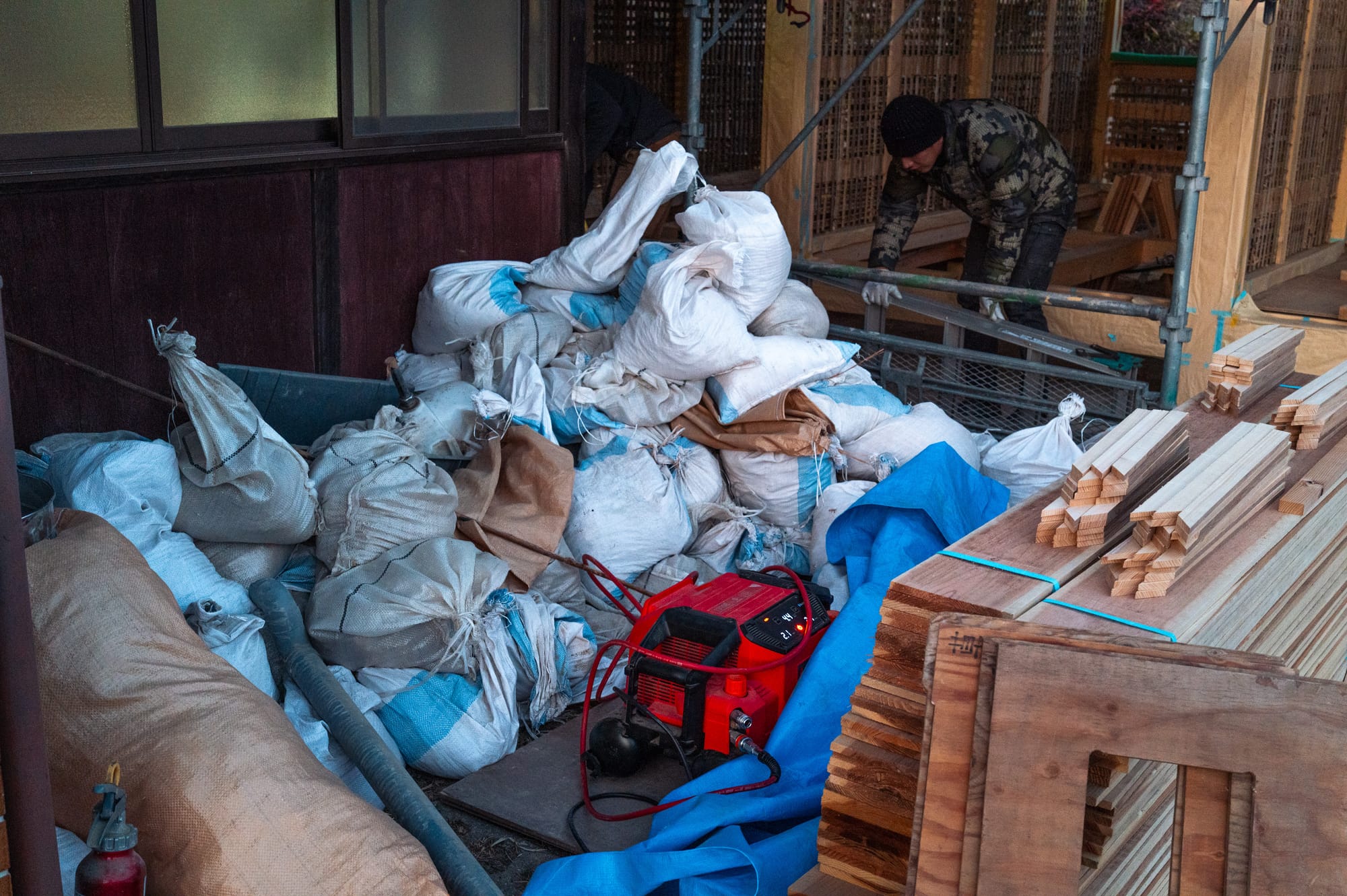
One apprentice here, the only one without any prior knowledge of woodworking or carpentry, has basically hauled trash and put up plaster for almost a year. This week, he’s building something on his own, and he’s learning a ton, but it hasn’t been easy. Most people who have come to this company as foreign apprentices quit before this early stage.
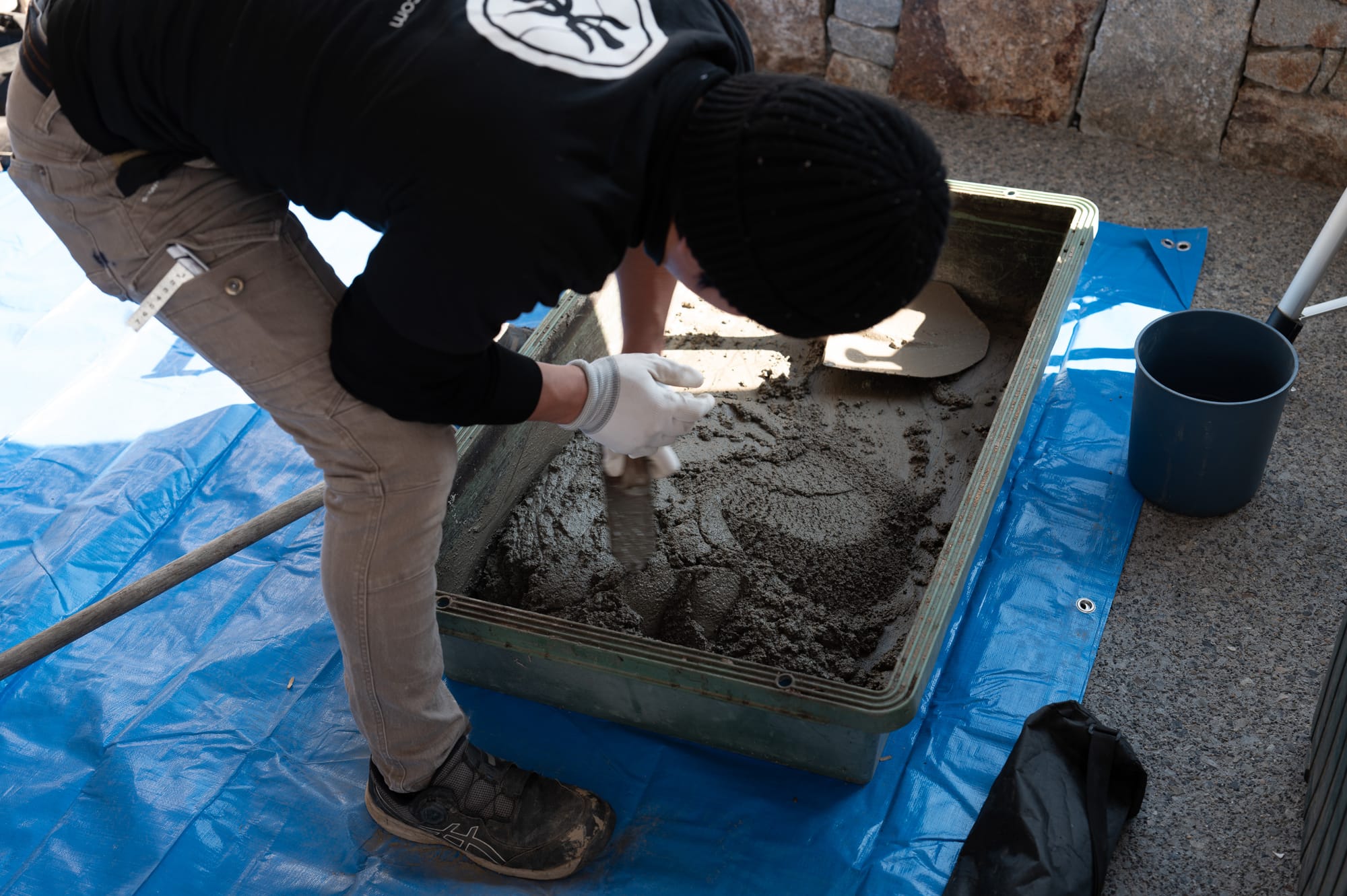
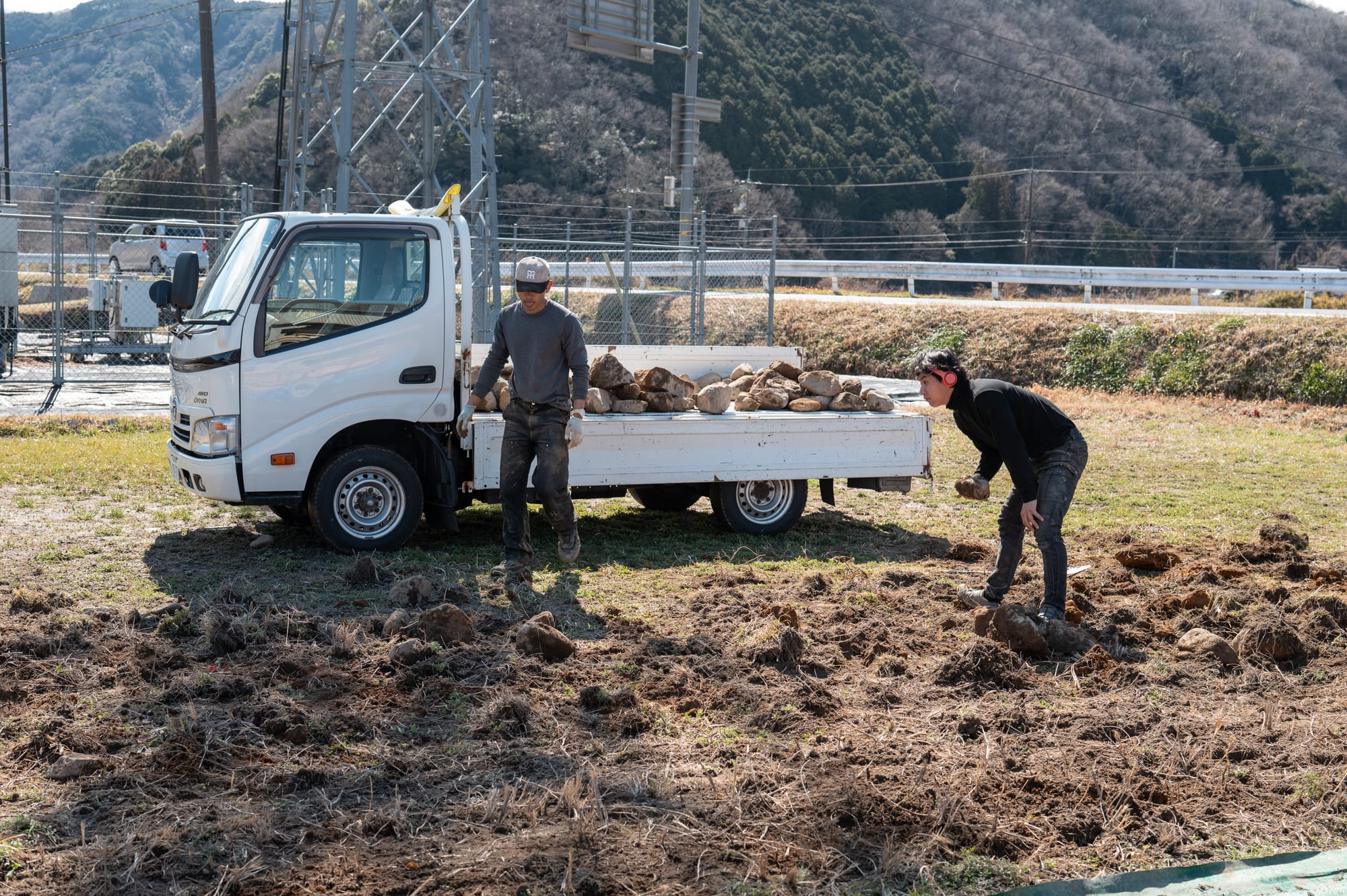
The first while in an apprenticeship is also designed to refine your spirit and sensitivity through a lot of work foreigners might consider beneath them, like cleaning or dump runs. This isn’t a punishment; it’s just a way to break into someone’s mind and realize that all tasks are important in a team environment, and unskilled laborers need to earn trust by doing easy tasks extremely well. (But sometimes it is also punishment.) Doing menial work with care also reflects the skill of a carpenter. Many foreigners I’ve spoken to don’t want to take the time to move to Japan only to sweep or hang drywall. Many have quit at this point in the experience. As I mentioned, fewer than 10% of the foreign apprentices at the firm where I have worked have lasted more than a year. This sense of perseverance is a cornerstone of Japanese culture. Living in Japan offers many opportunities to persevere, culturally, so the average Japanese person is used to more inconvenience than a typical foreigner. And learning carpentry or any trade through apprenticeship is an even more onerous task; most foreigners will, and have, melt under it.
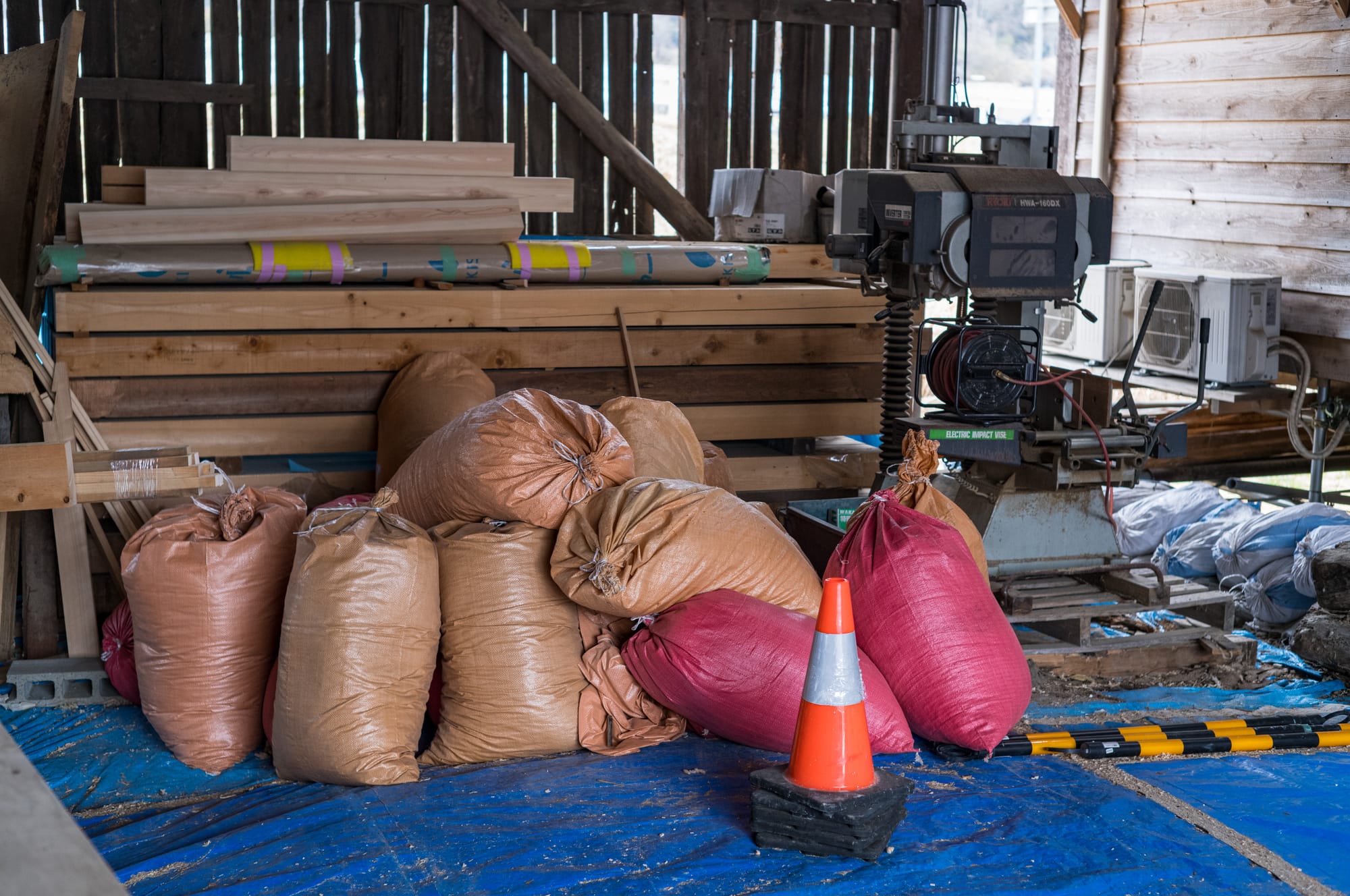
Secondly, even the best apprentices make mistakes, and sometimes, they get scolded. There is no HR department to report this to. And sometimes people get scolded for mistakes that are impossible to avoid, but are still their responsibility. This again comes back to the point of perseverance, responsiblity to yourself and others, and self-reliance in the training. If you can’t handle these situations, what will happen to a carpenter who finds himself in a unique situation that he has never been explicitly taught how to handle? And of course, every building, site, client, and piece of wood is different. Carpenters must know how to figure things out under the pressure of deadlines and budgets and fix mistakes they or others have made. If you can’t tolerate these things, it's probably best you do not become a carpenter anyhow. Thousands of other jobs are easier to do.
Thirdly, you will barely get to use your hand tools, compared to a hobbyist or furniture maker, for a very long time. Most modern shops in Japan rely on a large number of power tools for rough work, and more skilled carpenters can wield the wooliest power tool with astounding accuracy, eliminating the need for hand tools in many situations. Yes, hand tools are used to fine-tune things, but it takes a while to get sharp and competent enough to be given tasks using these tools in actual production.
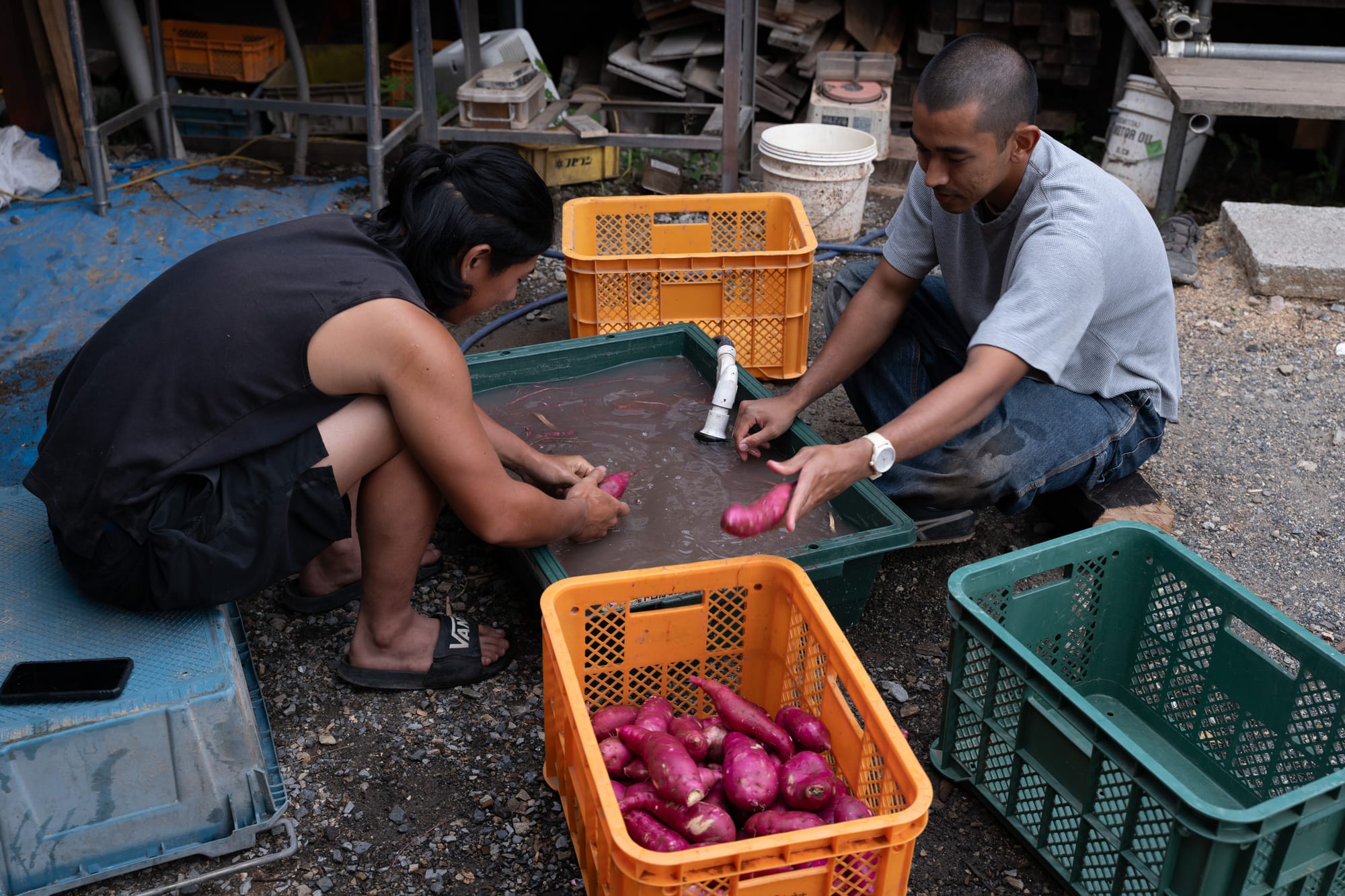
The cost of classes is the first objection I hear when I suggest taking them. I have heard that they would rather be learning “for free”. But, just so you know, apprenticeships are not paid, and the tools required to take advantage of the situation can cost thousands of dollars. So, if you’re serious enough to consider being an apprentice, you’re going to end up spending a lot on tools either way. One apprentice, to gain the most experience, spent $70k on tools in his first two years. Another spent double that. In this sense, classes are far cheaper than apprenticeships, especially if you have another means to make a living.
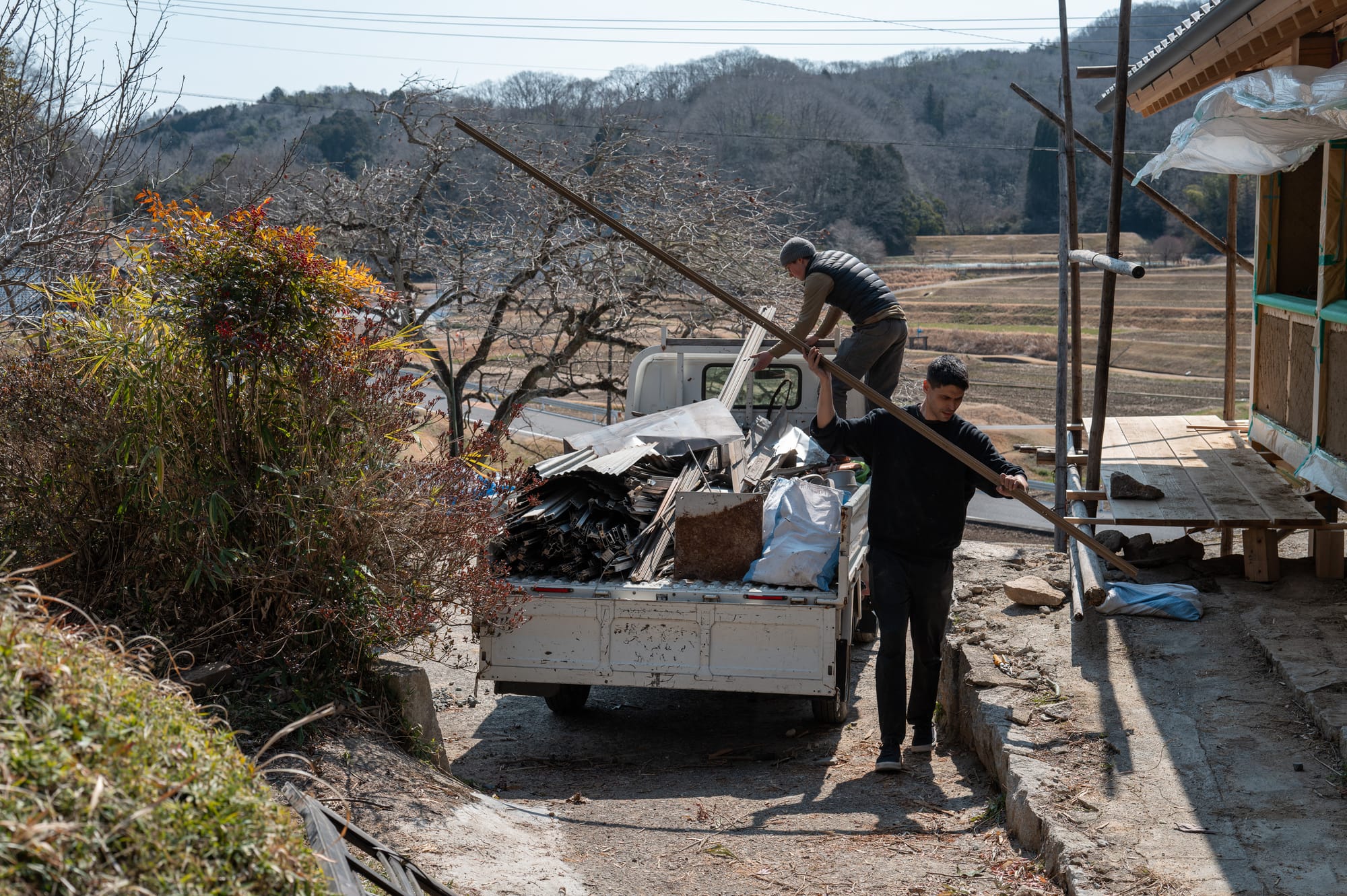
On the other hand, if you want to be a builder of these kinds of structures, there is so much to learn. I would guess that 90% of building a timber-frame house, from conception to client use, is not actually woodworking. Like estimating quantity and selecting the quality of materials, hardware choices for everything except wood, such as insulation, screws, locks, door wheels, and tracks. Then there is the plastering, roofing, electrical, and plumbing. Before all that, site work. And much more if you are doing a restoration, like demolition, sagging members, and termite-eaten posts and beams. When a chisel or saw cuts some wood, it is in the context of all these other moving elements.

Don’t get me wrong, apprentices do get to cut. Of our apprentices, Clark has dreams of building structures of natural materials, from forests he manages. And Shinya explicitly dreams of becoming a carpenter, like his grandfather and great-grandfather. When I came here, I had to be honest that this was not my goal. My goal was to learn, cut a little, and draw on the journalistic and organizational experience I have gained over the last few decades. I'm a deviation from the norm, at twice the age of an apprentice. I'm even older than my bosses.
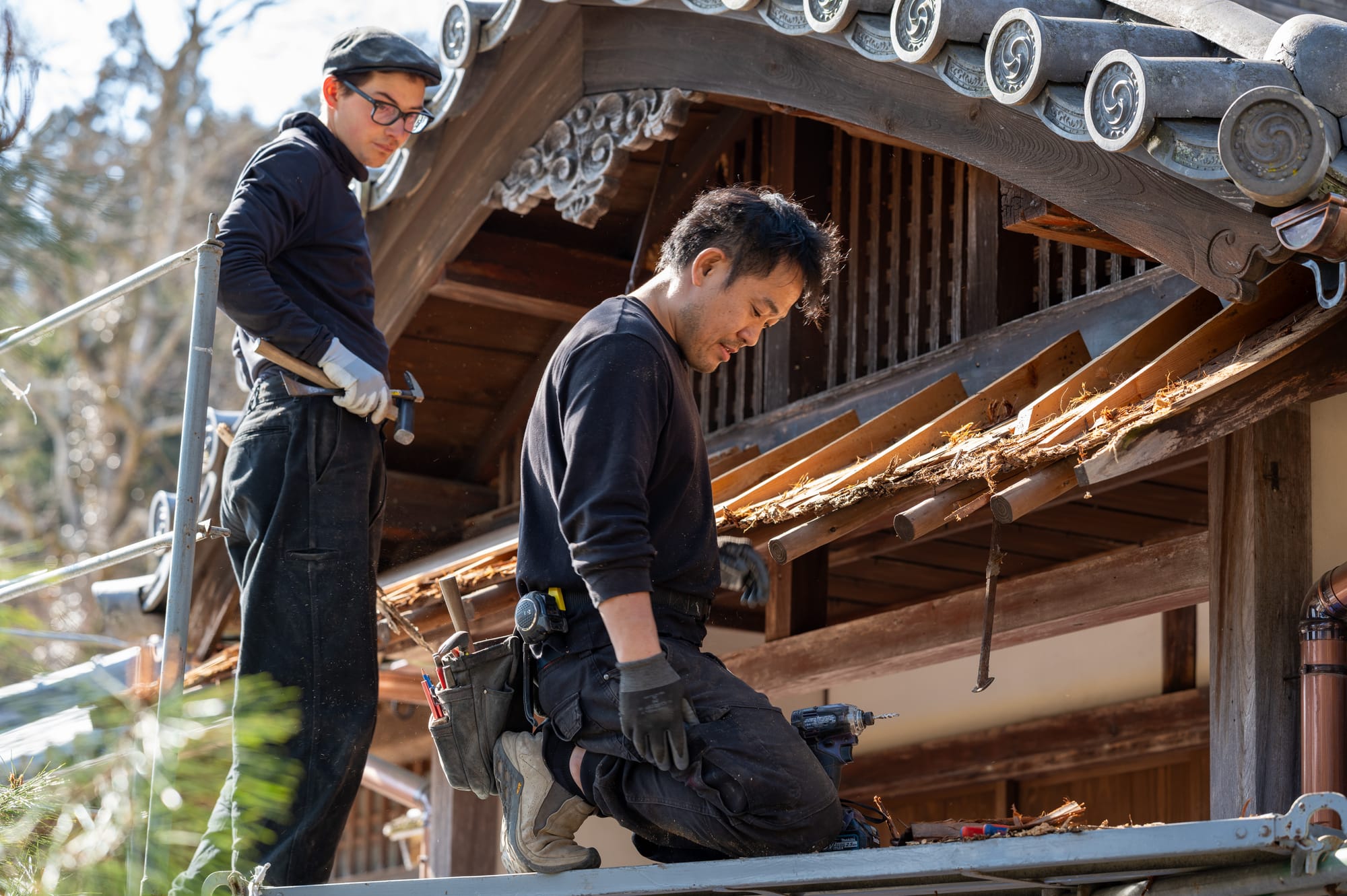
Because of their dedication and commitment, Clark and Shinya get to cut more than the other apprentices. They’ve made doors, windows, and frames in the time I’ve been here. I’m never able to keep up with them.
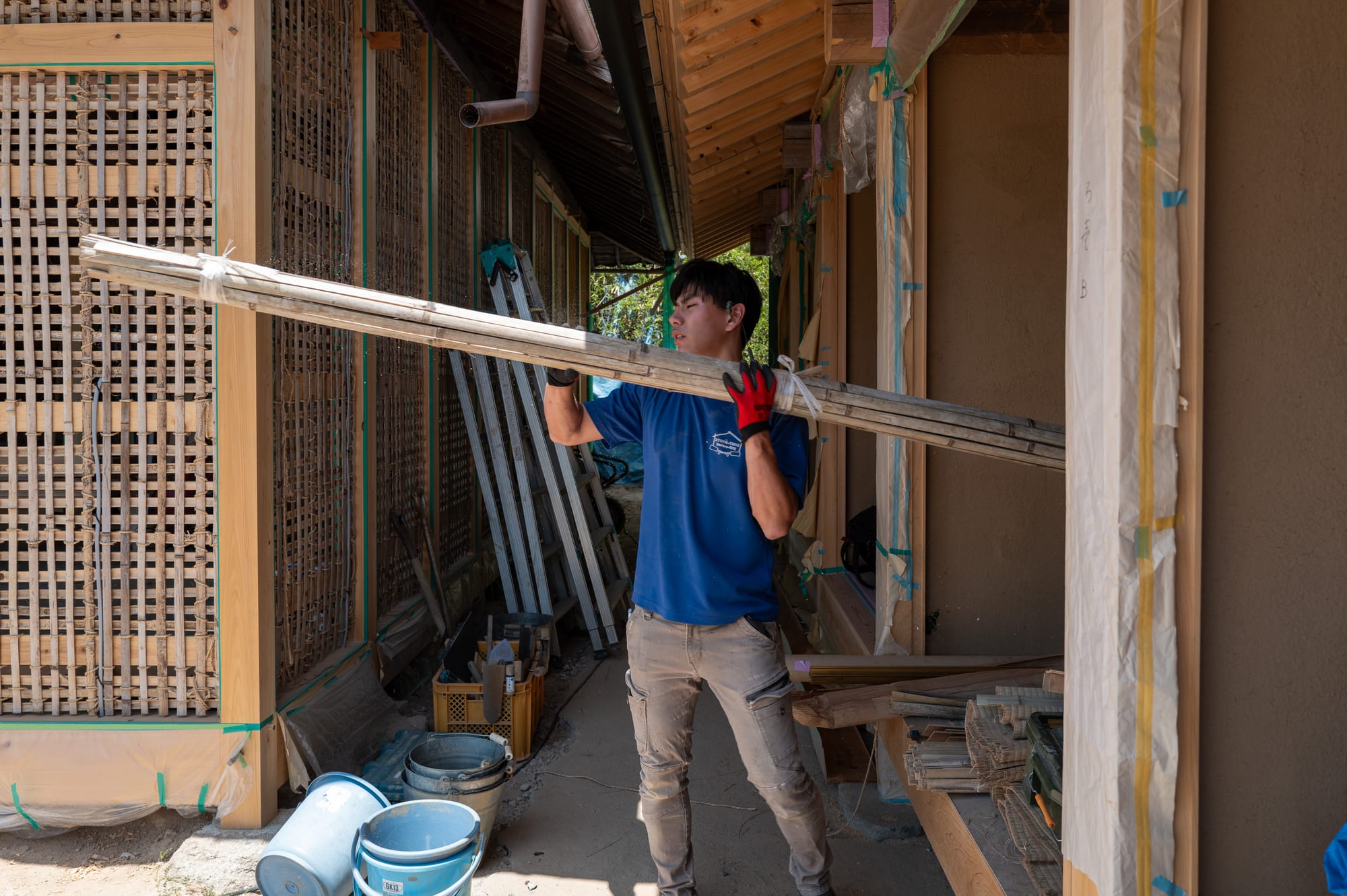
It's also important to realize that the presence of an apprentice is not free help for the company. Apprentices are initially all burdens. We take up oxygen and space. We steal time and energy from carpenters who should be building rather than babysitting.

Why bother at all then? Because the responsibility of a carpenter at the end of his career is to have passed on his knowledge to others. And maybe, once in a while, someone can grow enough to become someone who can help the company survive. Even more rare and precious is the apprentice who can match or surpass the skill of their boss. But the commitment begins as a few years' commitment and soon grows into a lifetime of understanding that learning in this world is endless.
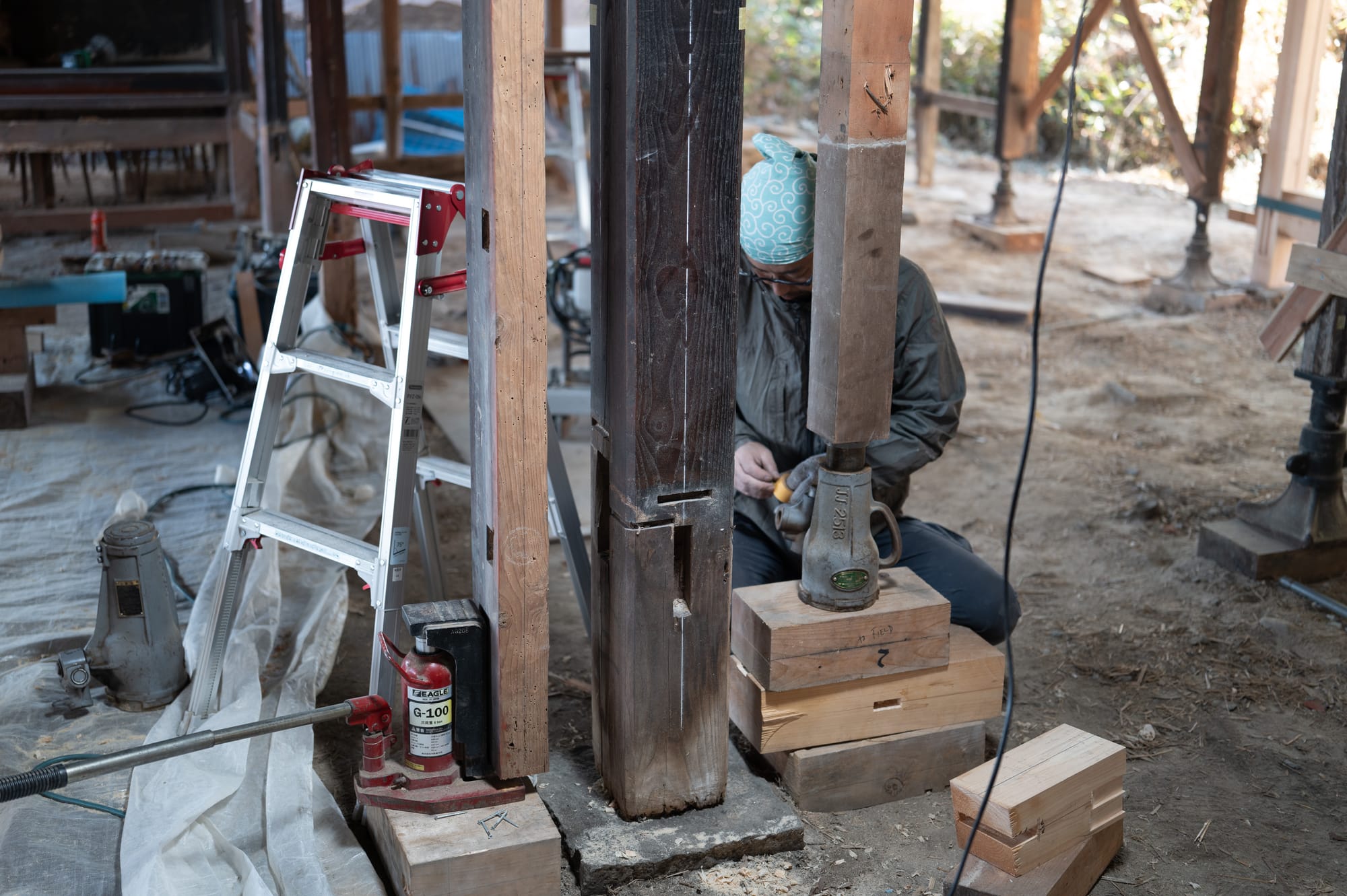
In the end, if your teachers spend the time teaching you what they know, you will sooner or later realize you, too, have picked up the responsibility not only to use but pass on this knowledge. So, when you say you want a carpentry apprenticeship, are you serious about taking on this much work and responsibility?
This perspective is not theoretical. People always say, “You must be so good now that you’ve been working in Japan for a year as an apprentice!” I tell them, I’m not that different from before. To be honest, I hadn’t used my hand plane in several months. I rarely get to cut. But when I do, I can. My bosses attribute this to my background, which is mostly in classes. I’ve taken dozens and dozens of them. Likely more than any other foreigner, ever. From these classes, I may not know how to build a house. But I can cut accurately.
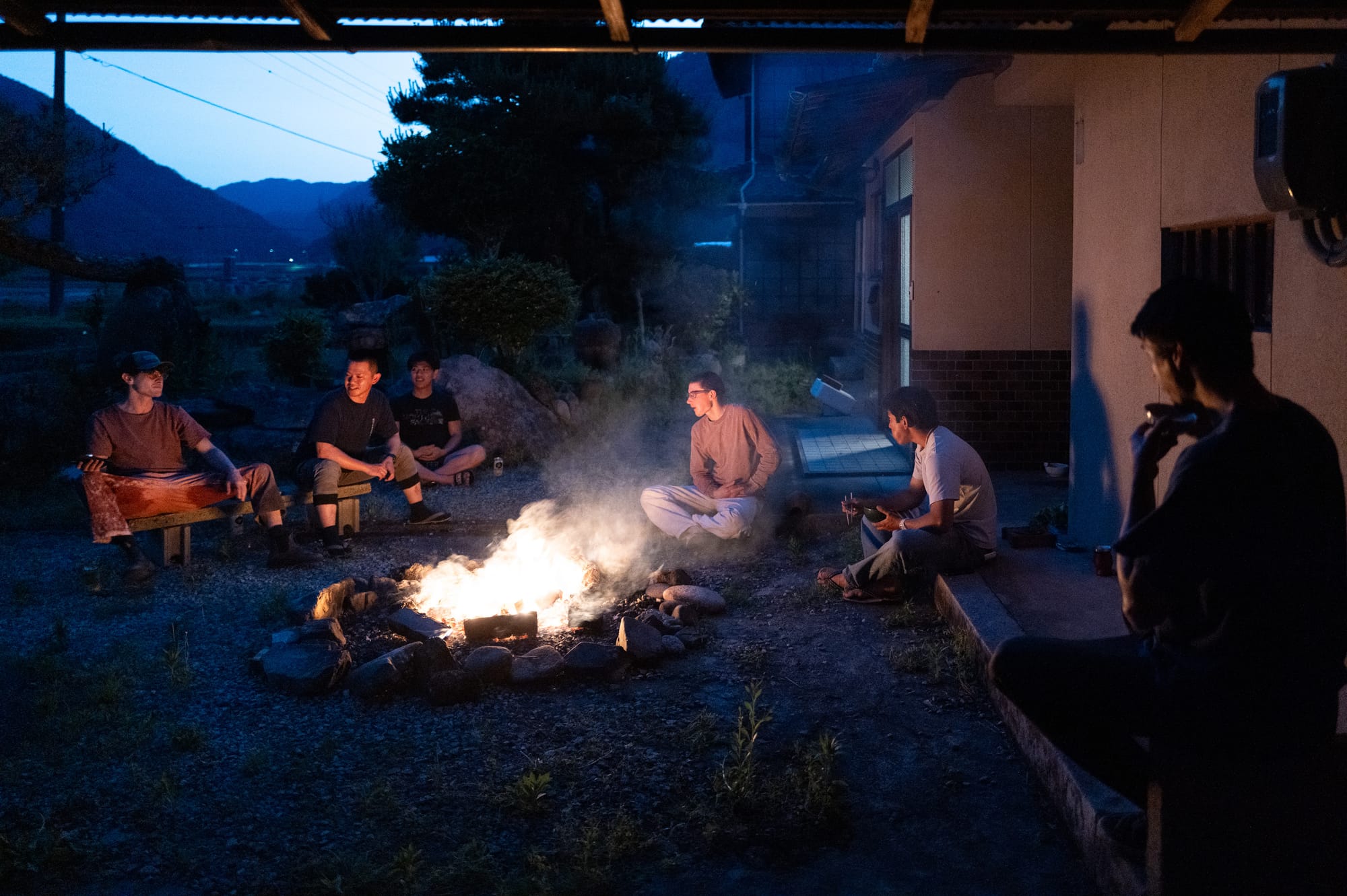
I am so fortunate to have experienced this year. It was as beautiful, meaningful, and fulfilling as I expected. But it also surprised me at every turn. From the perspective of cutting wood, however, my appreciation for classes has deepened. For most of us, they are all we need to start making beautiful things.
What will you do next?

Subscribe