I will be selling great tools in something like a tool store, at a great prices, to Paklan supporters. You can find out what is being sold by remaining subscribed to this separate newsletter called "Not a Tool Store". To purchase tools, you need to be a paying supporter. The images in this post will look better in a browser.
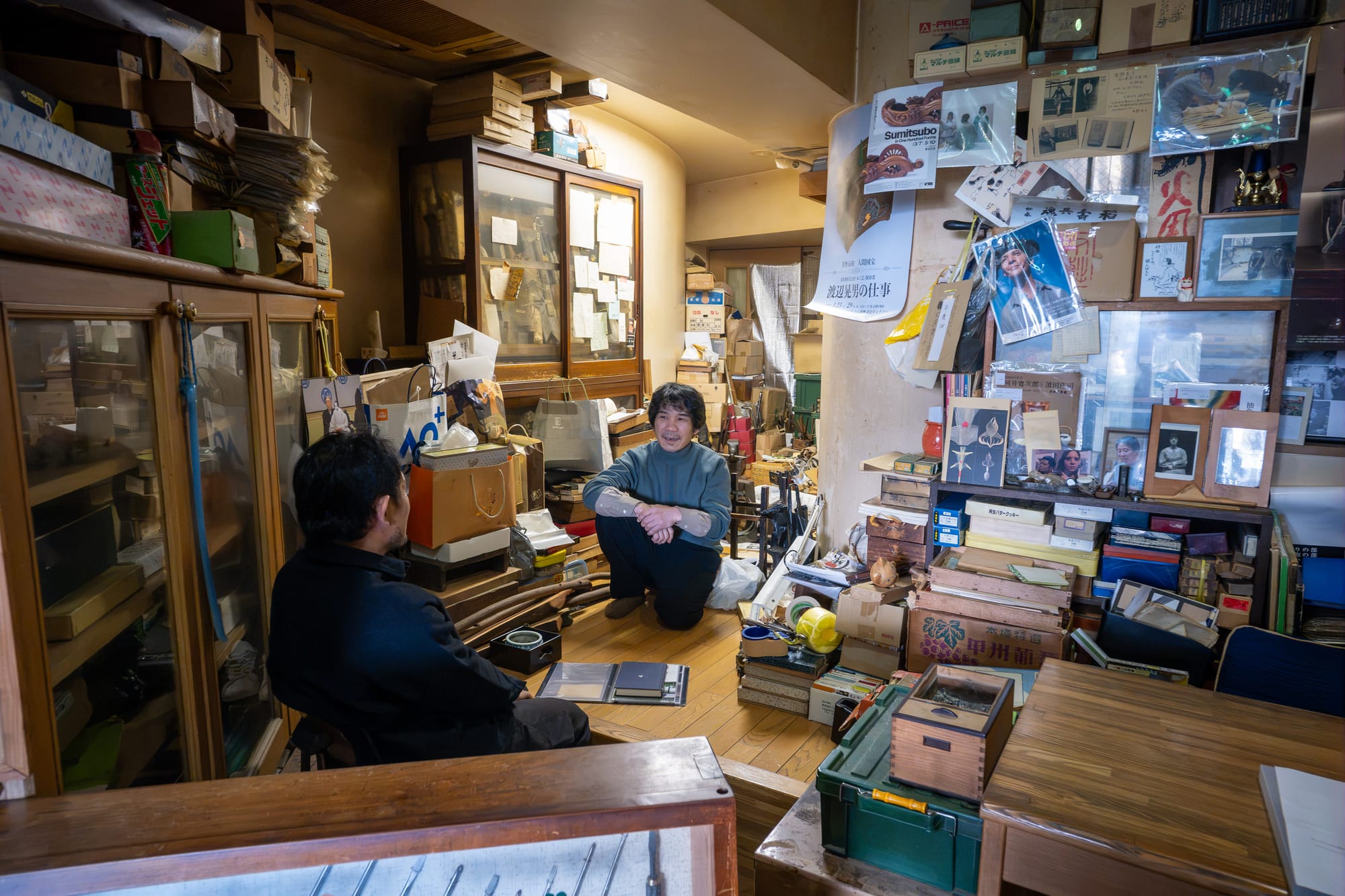
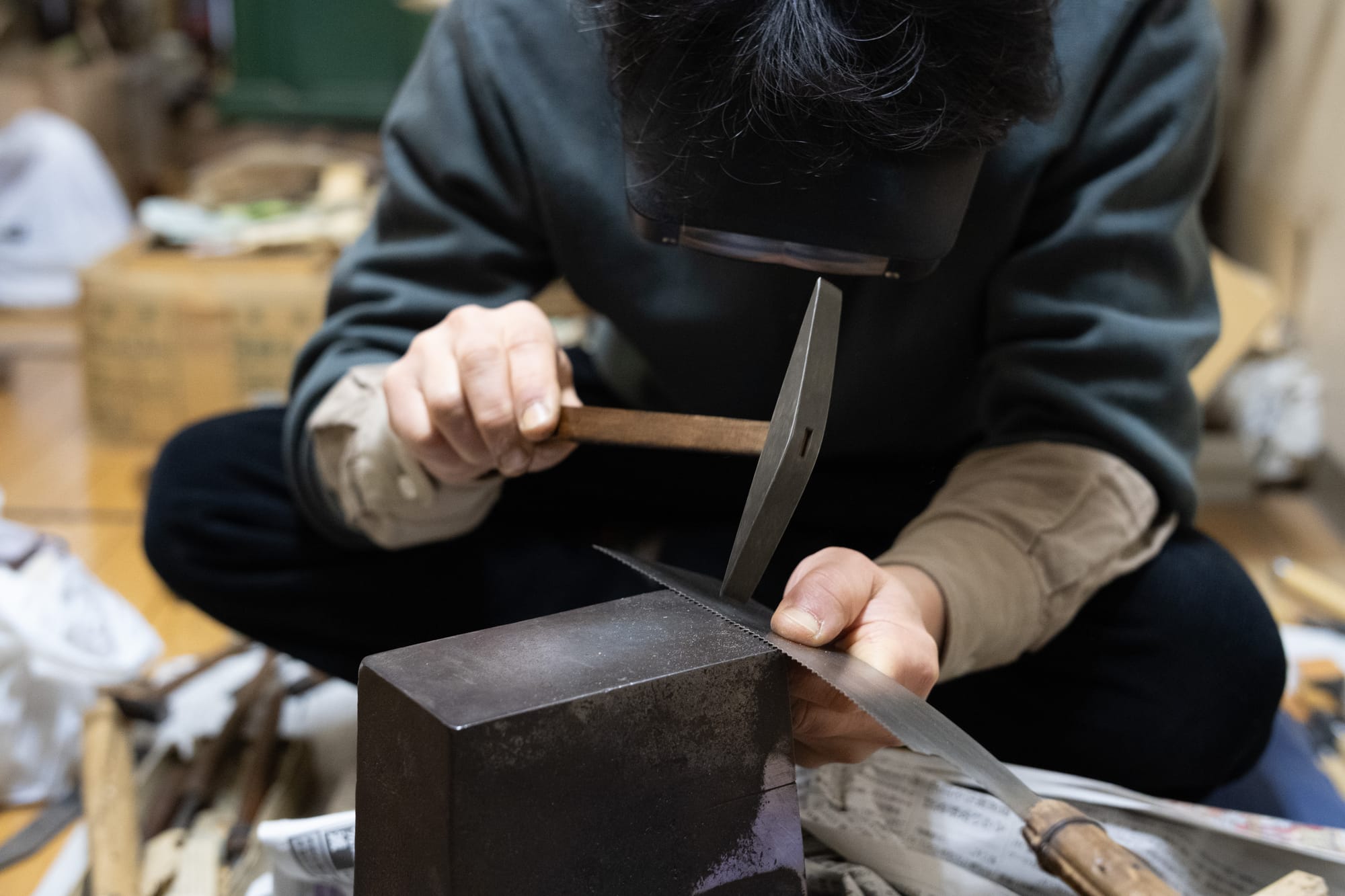
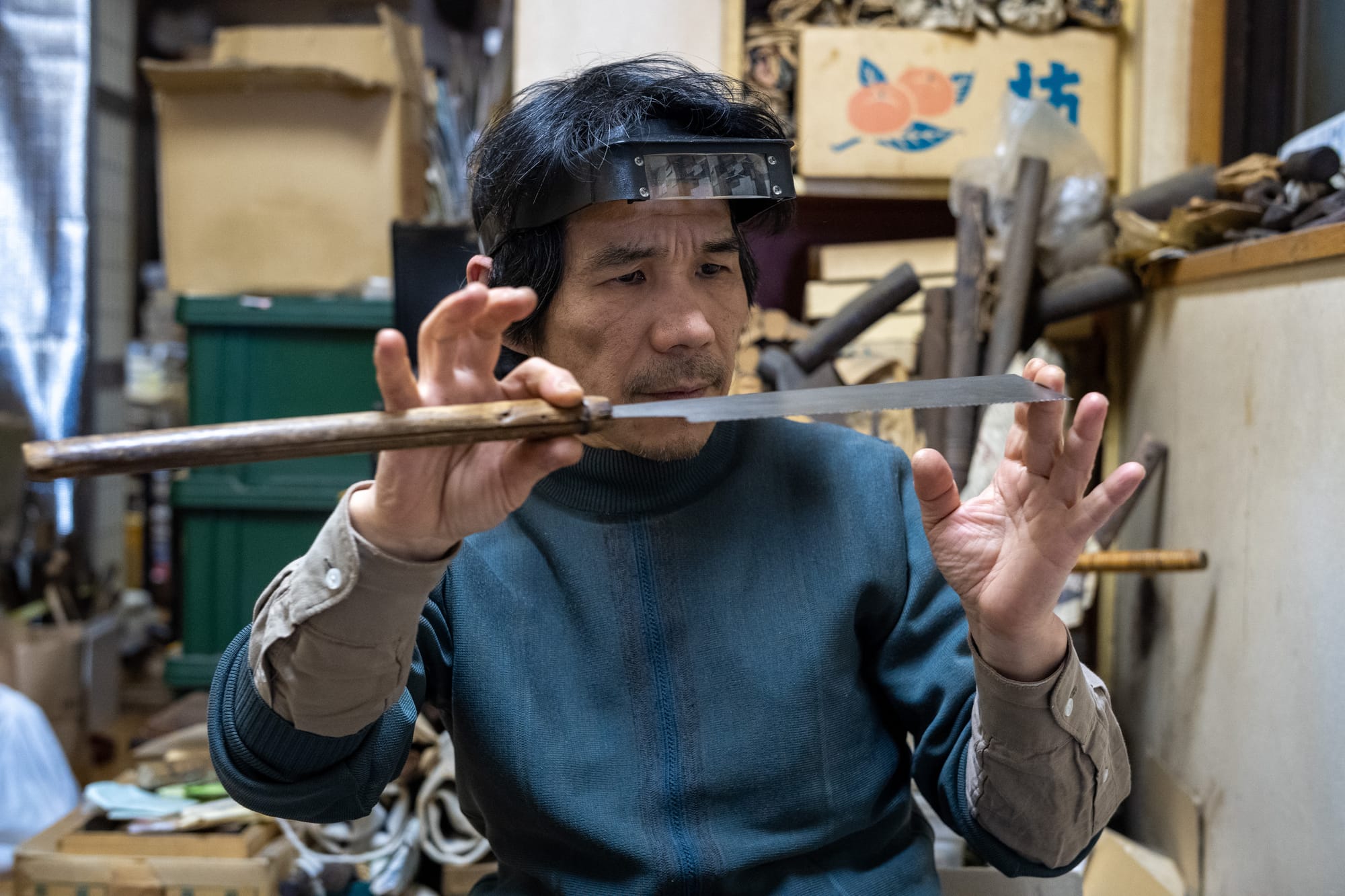
Earlier this spring, Yamamoto Kohei took the Shinkansen from Okayama to Tokyo and introduced me to Tsuchida Noboru the impenetrable Tokyo tool dealer. We spent the afternoon talking, and I learned his family's shop has a nickname: the No Sale Carpentry Tool Store.
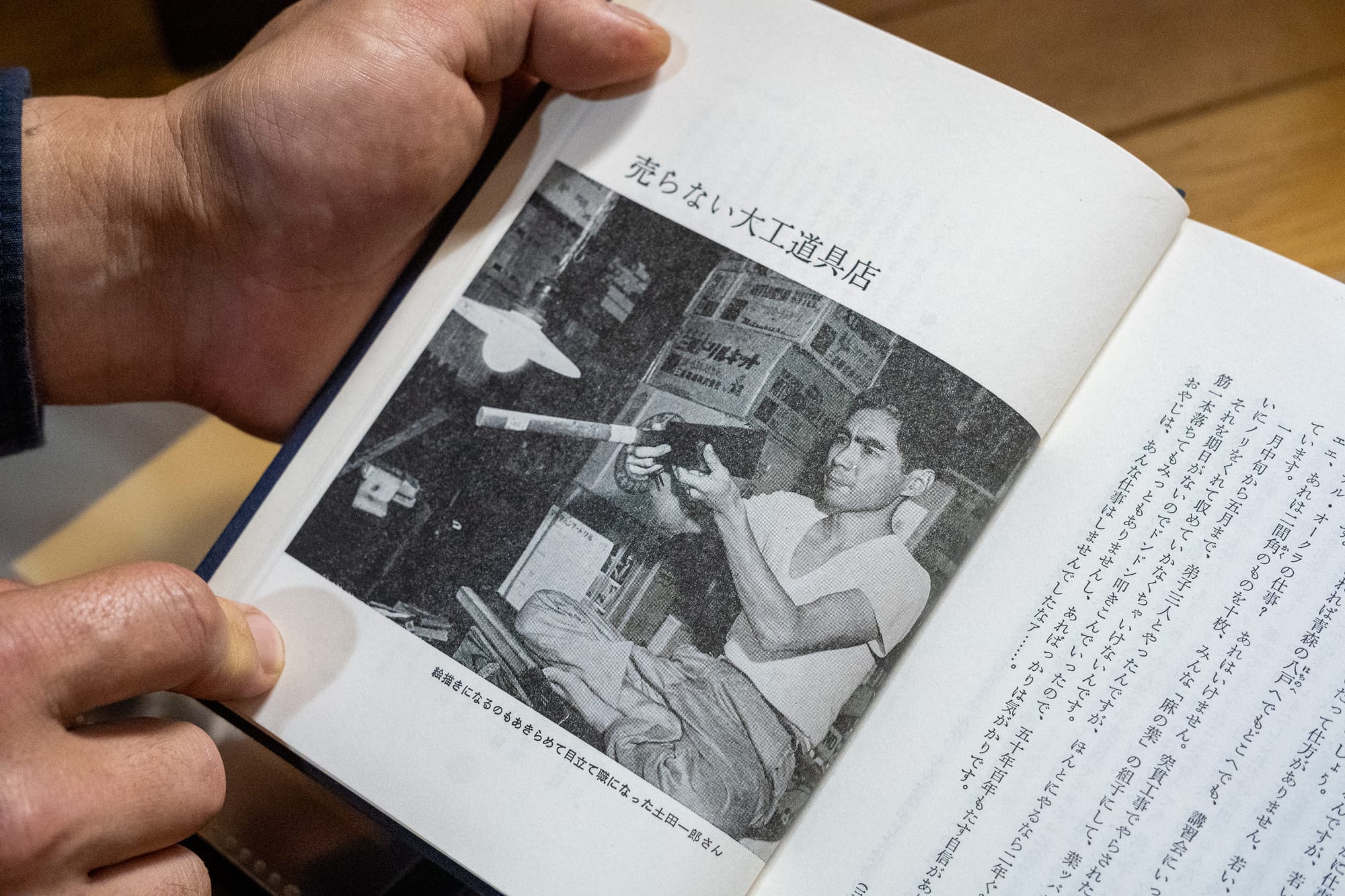
It earned the name like this. When his father heard feedback on the tools he sold, the same tools from the same smiths drew both praise and complaints. Looking into it, he realized the complaints came from carpenters without the skill to set the tools up and use them to their potential. From then on, he sold only to those who could make them work as intended. Nothing sits on display in his store. Everything good is in the back, out of sight, until Tsuchida offers it to someone he deems ready.
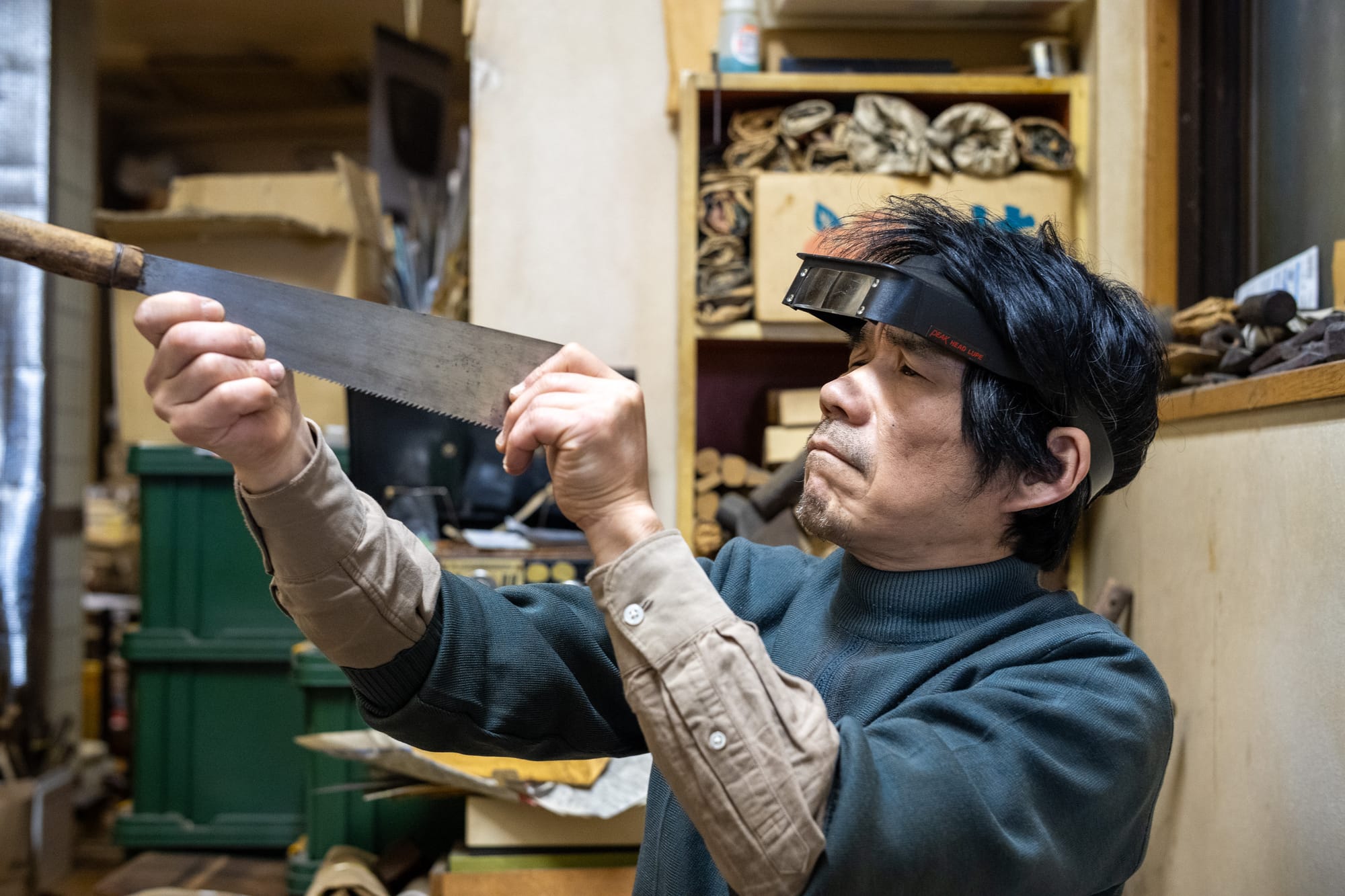
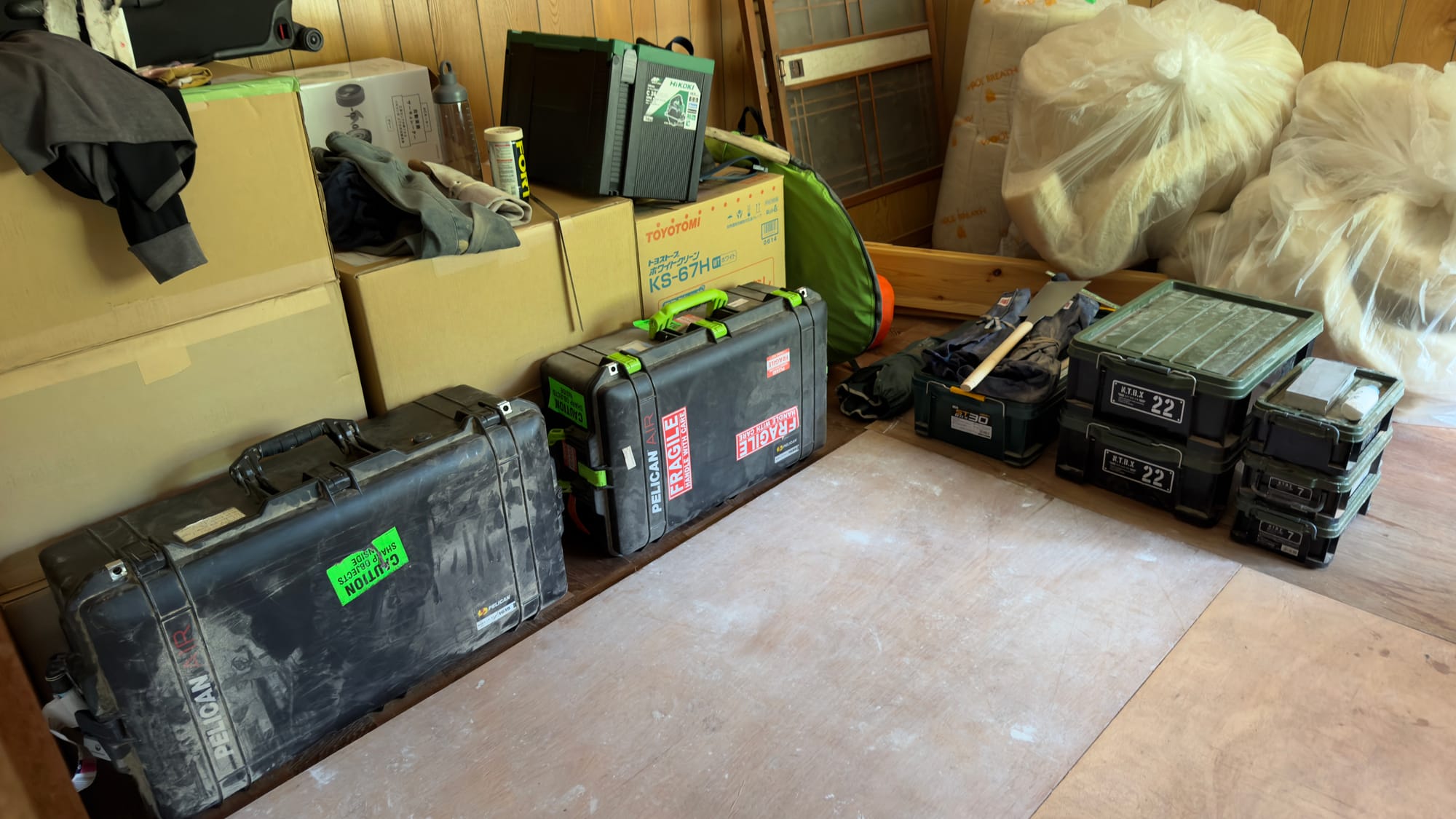
I thought about this concept for something like a store—one that thoughtfully supplied tools to find a match rather than to maximize profit—as I hauled 300 pounds of stones and tools home in Pelican cases.
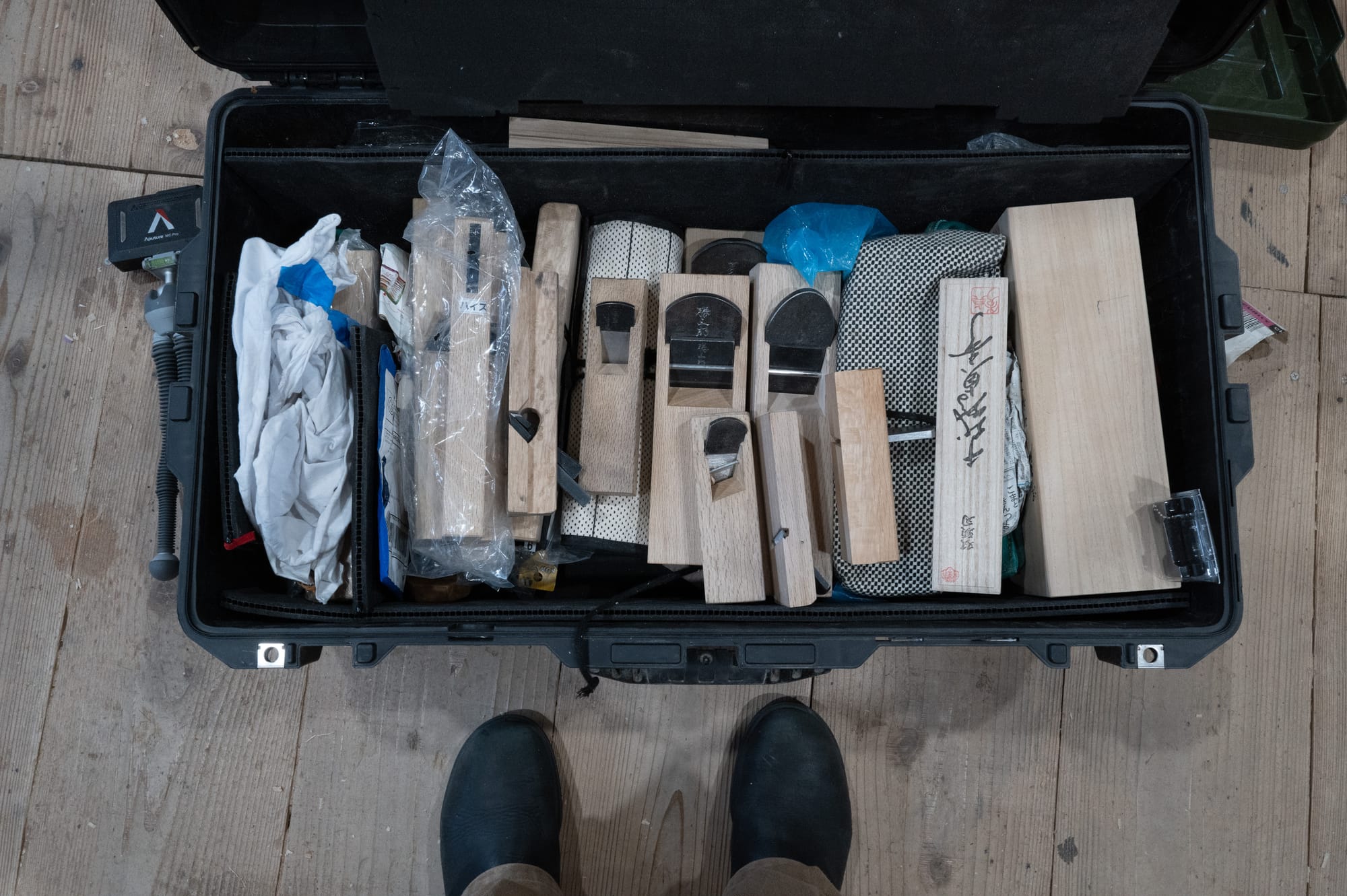
Those tools I used in Japan were many, but only a fraction of what I've gathered over the years as someone who has always been obsessed with beautiful objects.
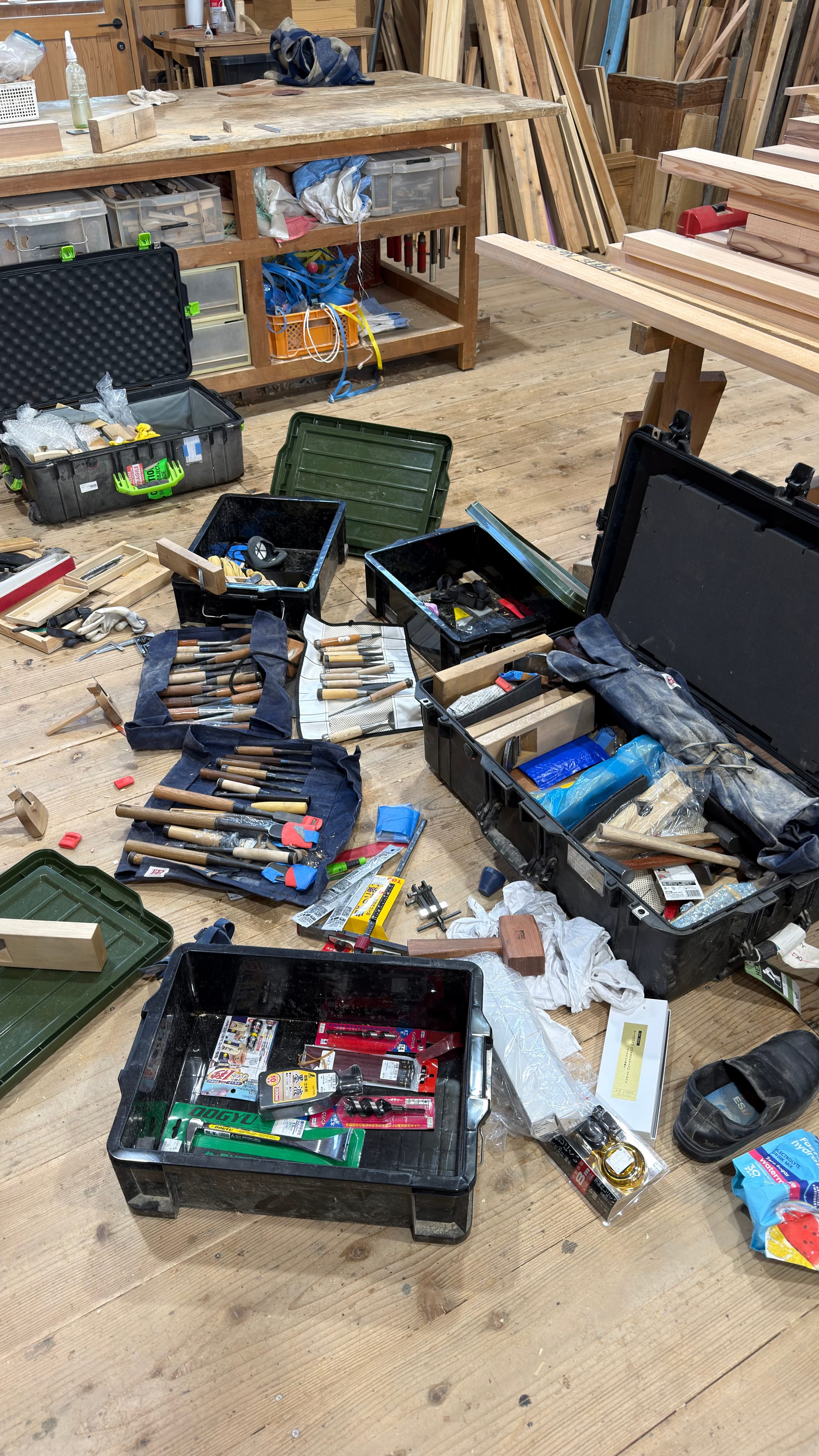
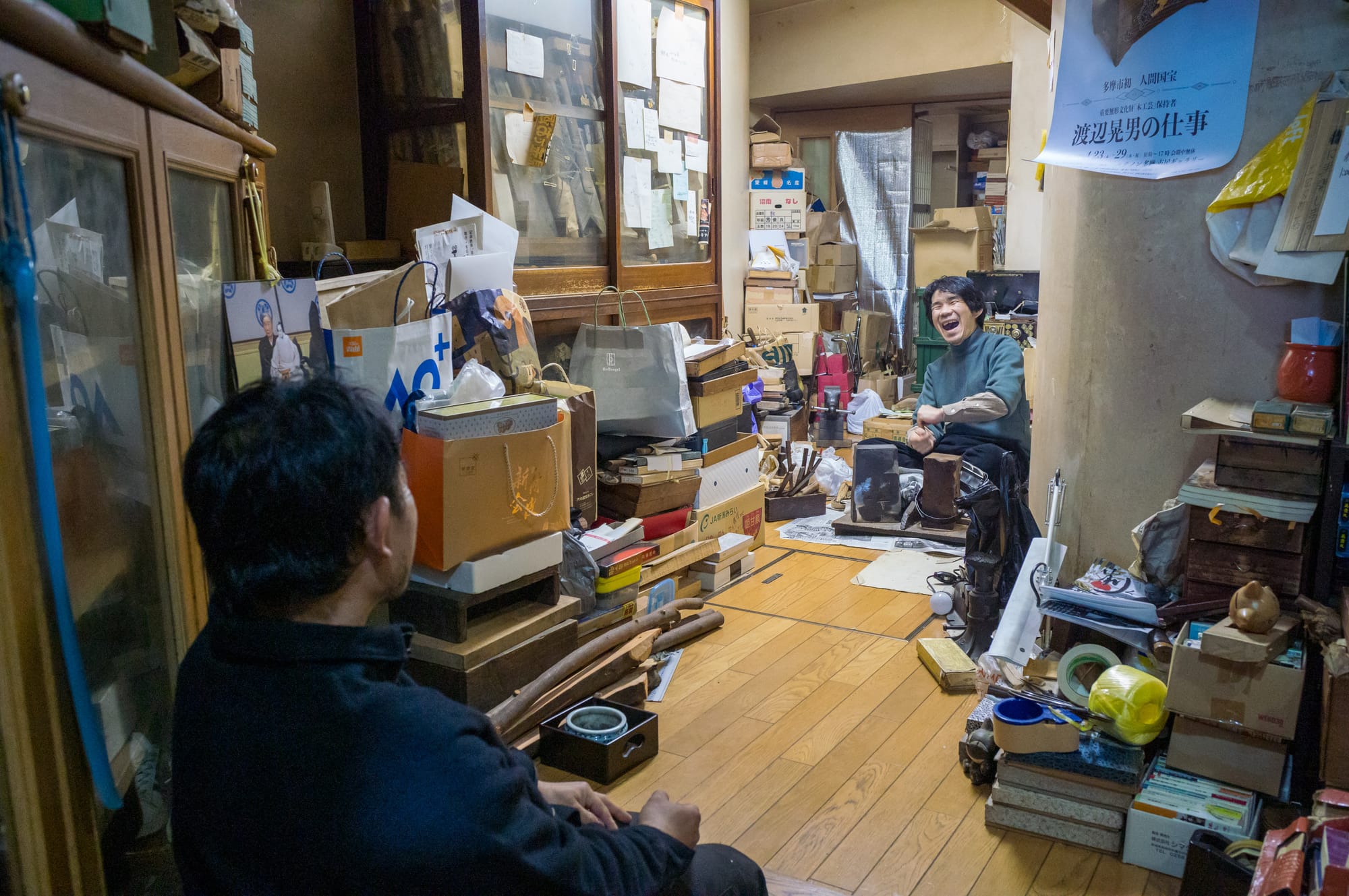
Back home, with eyes fresh and sober from the experience of Somakosha, I looked at my shop and had to admit it resembled a museum more than a workspace.
It is time to act on that feeling, even before getting back to work. Experience has since shown me what I actually need. I'd rather build with what's on hand than keep setting up tools from a pile that would take me a thousand years to use up.
So I'm selling my tools, a bit at a time — to lighten the load, and to make room for working differently, with other people, on bigger projects.
The catch: if part of the point is that these tools be used and kept well, it matters who buys them. Getting them to people who will make beautiful things with them will probably take five to ten years. A few might belong with a collector who will leave them unused and, in his estate planning, gift them to the Takenaka Carpentry Museum. Maybe you can help me get these tools into the right hands?
Think of it as an estate sale while I'm still breathing.
The first posts will go live in the next few weeks, via a separate newsletter which you can subscribe to here.
A few rare pieces a month. Anyone can look but only members can buy.
This is an experiment, and the terms may change. But no matter what, the tools must go.
FAQ
- What's for sale? My own tools, and most of them — bought for use as part of my personal collection, with little or no constraint. Some are new; some are well used and need a little maintenance. Dealer friends, like Guillermo Velez, have said it may be one of the finest sets outside Japan. I doubt that. But Jon Stollenmeyer, my boss for the last year, saw tools in my shop that he and Yama-san would use for professional work.
- Who can buy them? Members only, and at a wash. Most of these tools were bought when the yen was 110–130 to the dollar, so as a whole they'll sell at a loss. Prices will be set with help from my favorite vintage-dealer friends. I'd rather support this work through memberships, education, and selling craft than by marking up tools.
- Are there discounts for pros or students? Yes. Apprentices, professionals, teachers, and friends from established Japanese woodcraft lineages are eligible for discounts on subscriptions and tools. Students who study with teachers trained in or from Japan are eligible for subscription discounts, as well. Email me for discounts for subscriptions. Tool sales will be discounted on inquiry.
- How often will tools go up? About five a month. I don't want this to become a job.
- How do I buy? Email, for now. Basic tools will go into the store. For the better tools, I'll want to know who the tool is going to and what they'll use it for.
- What if the rare stuff is too expensive or too crazy for me? I have plenty of high-quality everyday tools too, and I'm happy to advise subscribers how and what to acquire next on their journey. This goes both ways: if I don't think you can set up and use a tool properly yet, I'll decline to sell it to you. I've seen beginners show up to class with amazing tools treated poorly, and the damage done to them is heartbreaking. I'll help you find tools you can grow with and use well today — from my closet, or from the dealers who helped me when I was starting out.
- Will you look for more tools to sell? I'm interested in getting retiring carpenters' tools into the right hands eventually, but for now these hands are full.
- What if I cant afford the subscription but still want to buy tools? I appreciate how hard it is to make a living. If you can afford nice tools, you can afford education and a subscription.
- What happens if I subscribe and I can’t get a tool? I'll likely add a higher-end tier for people more serious about tools and learning to use them. But I’ll try to make sure everyone gets help in one way or another.
- More questions? hello@paklan.org
Subscribe