Spencer Nelson is a handyman and woodworker. He lives in Seattle and writes about tools and the history of craft and architectural detail.
The Line is an advice column, with perspectives gathered through working and reporting with professional craftspeople.
In 1958, Makita Electric Works, an electric motor repair shop in Nagoya, Japan, decided to start manufacturing tools of its own design. That year, Makita started selling two models that immediately took off: The Makita 1000 was an electric planer, and a groove cutter, or mizokiri. Yes, before saws, before drills, before anything else—a groove cutter. In 1958, carpenters reportedly would "weep with joy" when they got to use one for the first time.

Traditionally, cutting door grooves was tedious work; junior carpenters were expected to take an entire day to cut the shikii and kamoi for a single door opening - sometimes two days. At the time, nearly all doors, both interior and exterior, would be shoji, sliding in tracks. These tracks are grooves running with the grain of top quality wood, and they are not small.
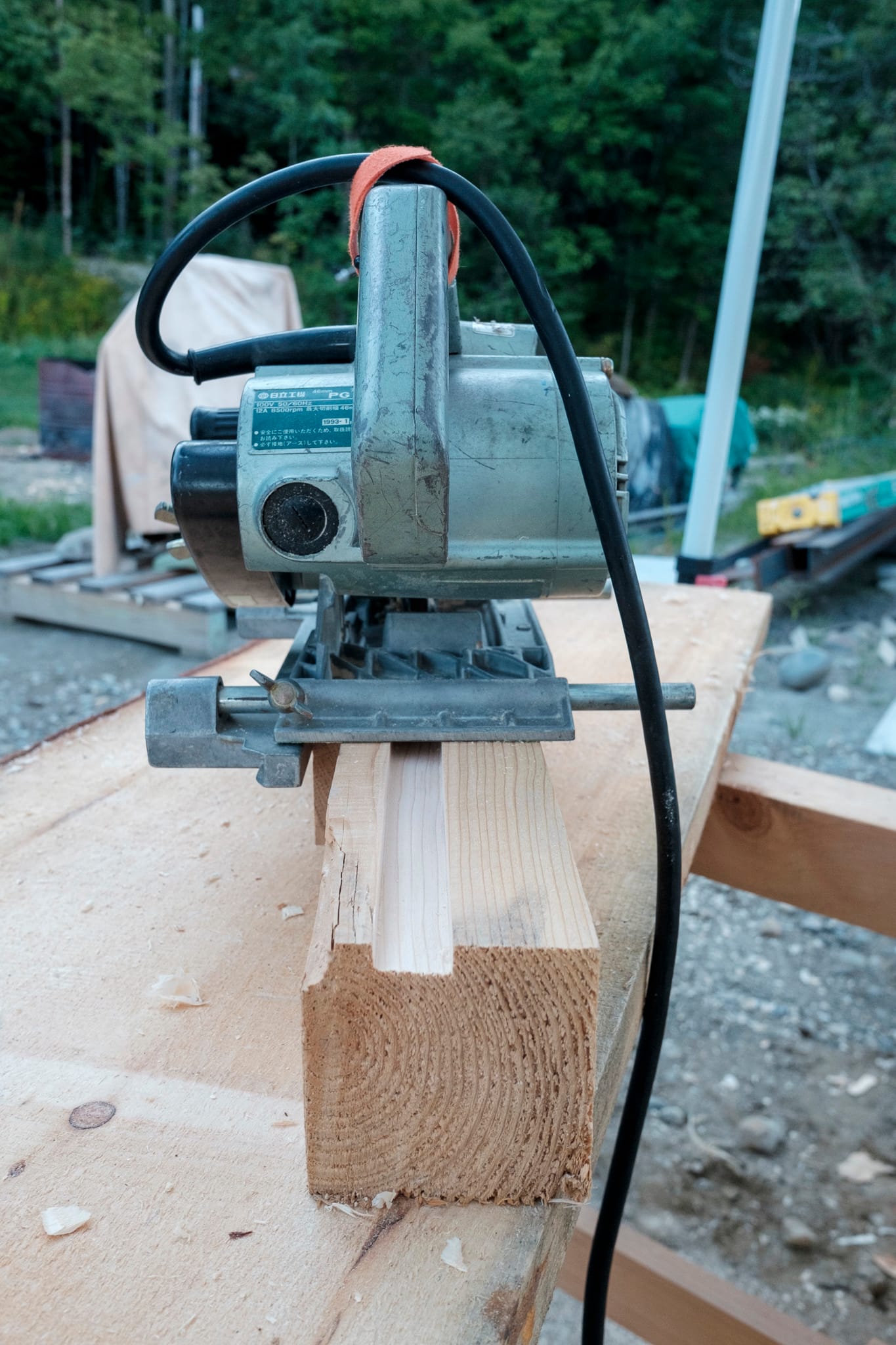
The standard width is 7 bu (about 21mm). The tracks at the bottom (in the shikii) are 2 or 3 bu deep, while the top ones (in the kamoi) are usually 5 bu deep. There are two parallel grooves for a single door, and they run for 6 shaku (1.8m) - a long way to carve grooves.
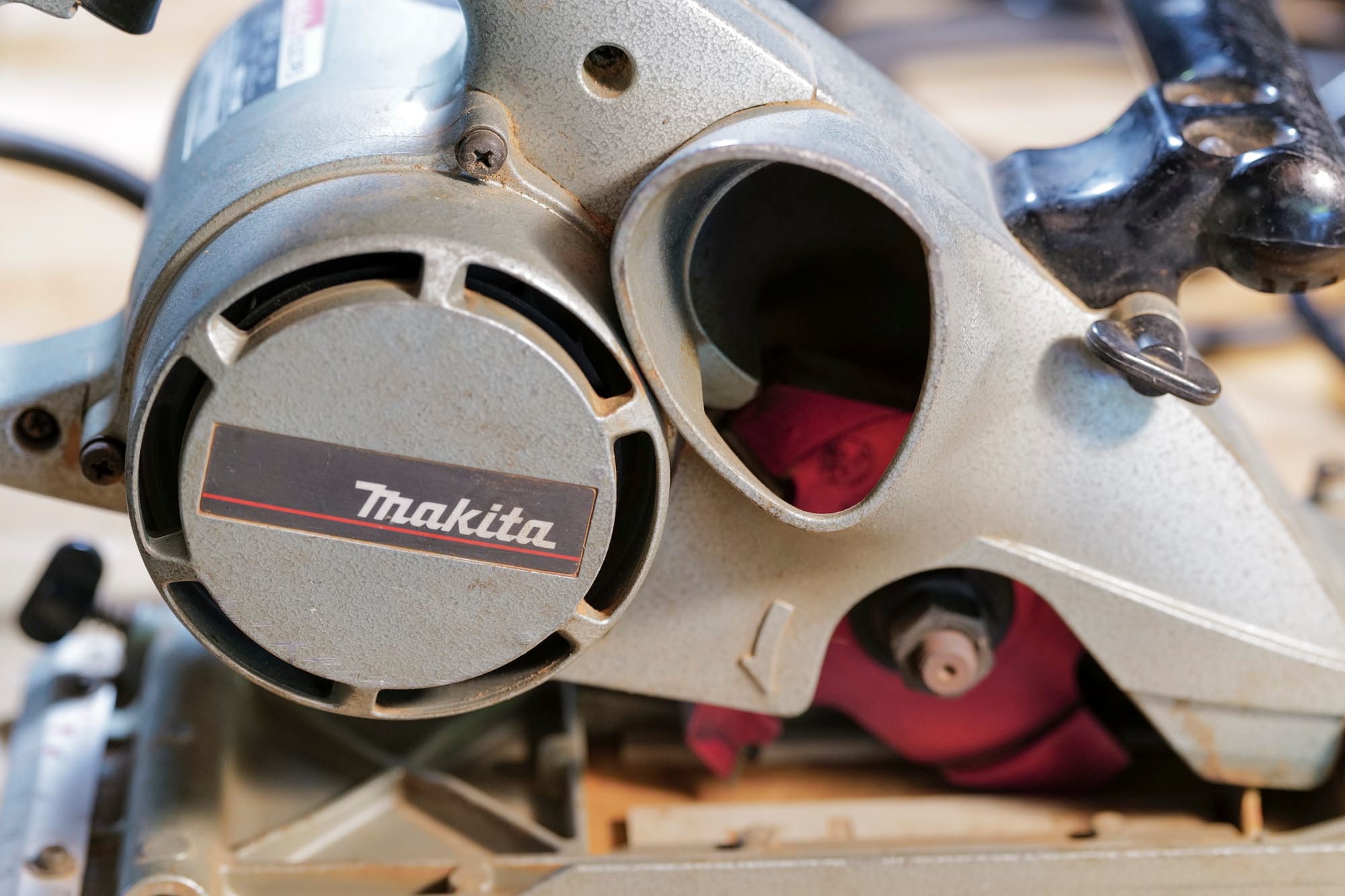
Before the Makita groover, these grooves would be cut by ripping the walls with a specialized handsaw. Cutting two meters of a shallow partial rip is fussy, unpleasant stuff. Then, a carpenter would chisel away the middle waste, then plane to the final depth and width with specialized bottom- and side-cutting planes.
But with Makita's groove cutter, these could be cut virtually flawlessly in a few minutes. You'd spend more time cleaning up the shavings.
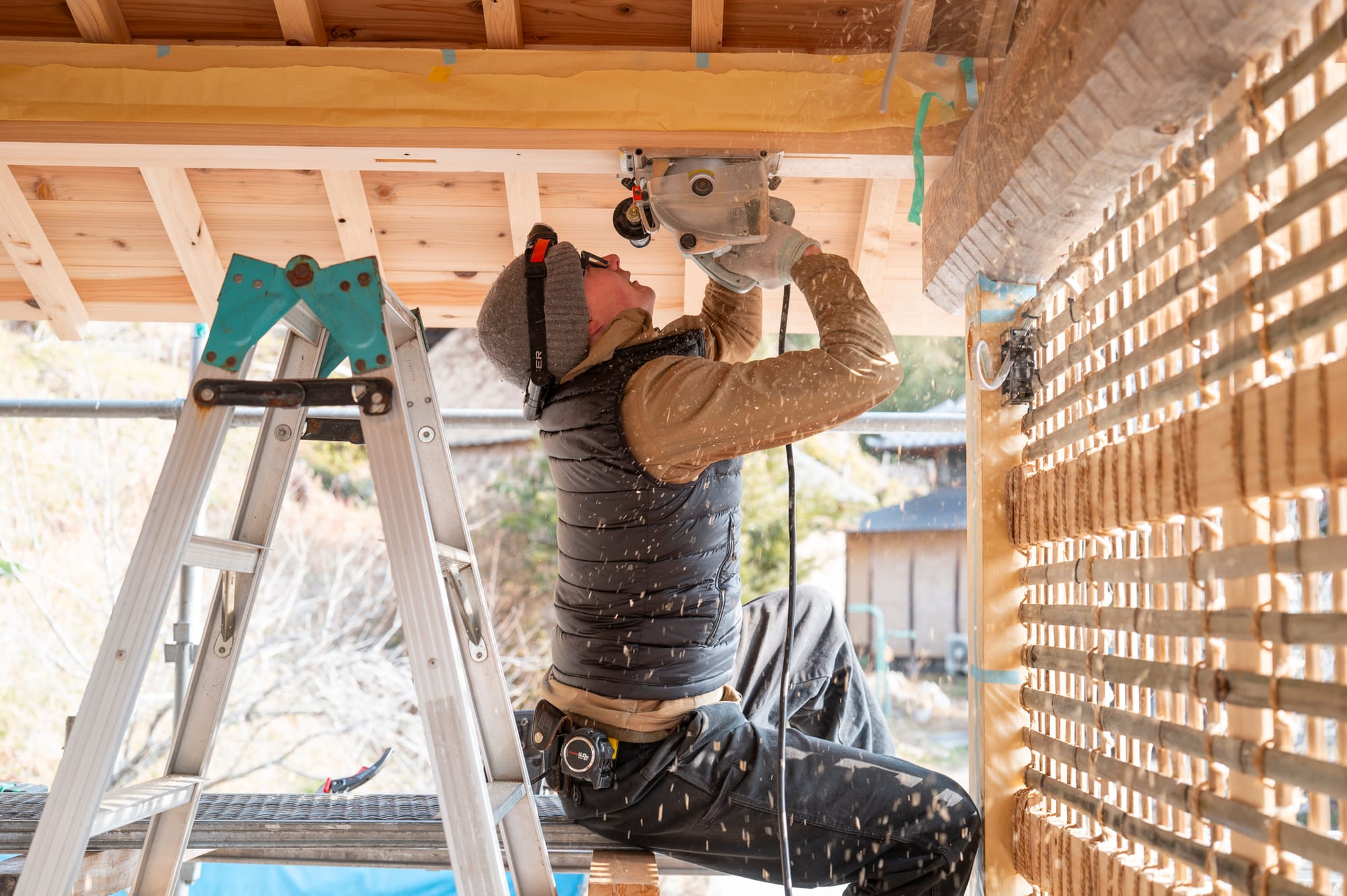
Makita was wildly successful with its two tools, the planer and groove cutter. They started exporting to Australia in 1959, went public in 1962, and paid off all corporate debt by 1963.
The tool
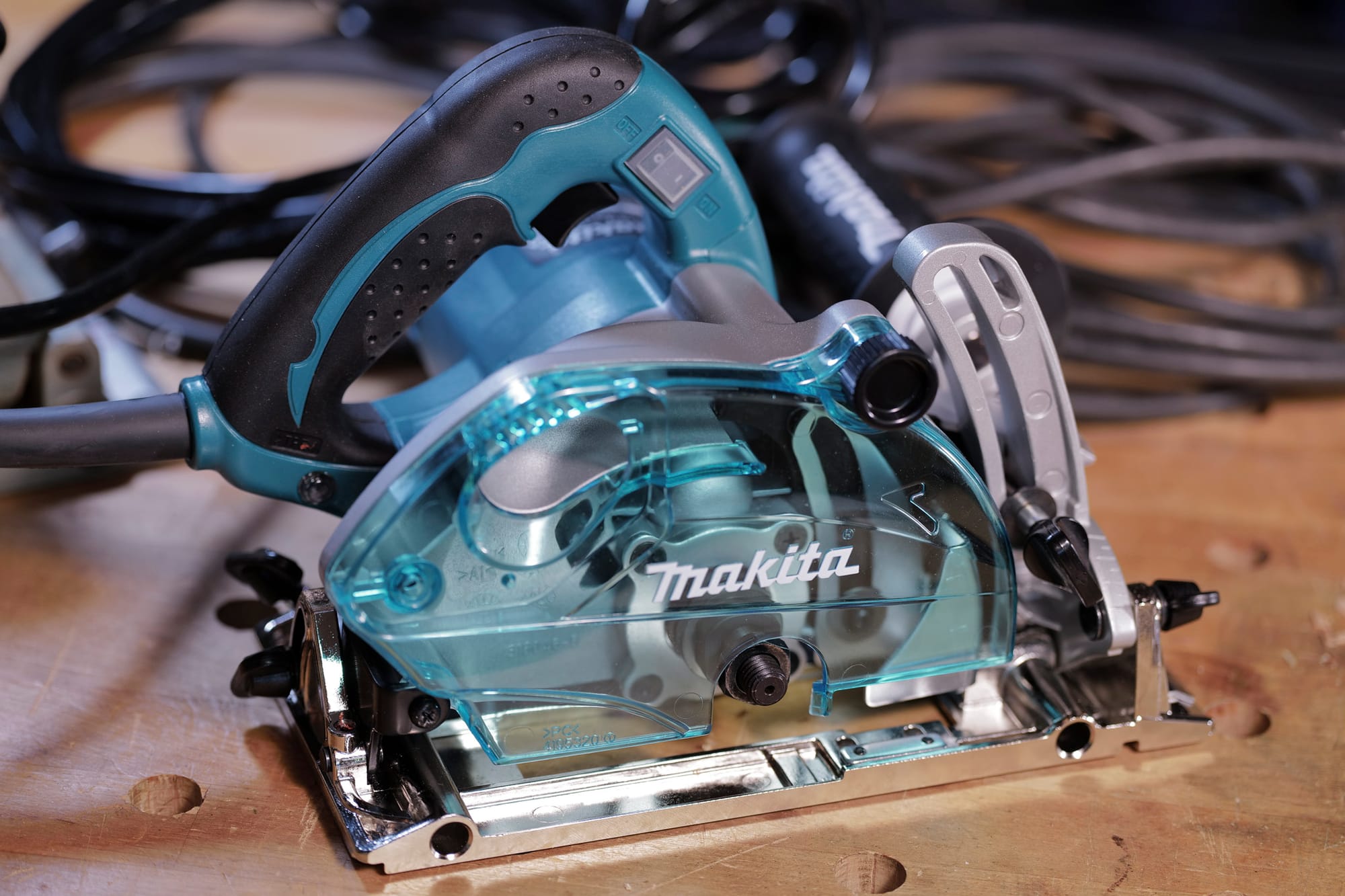
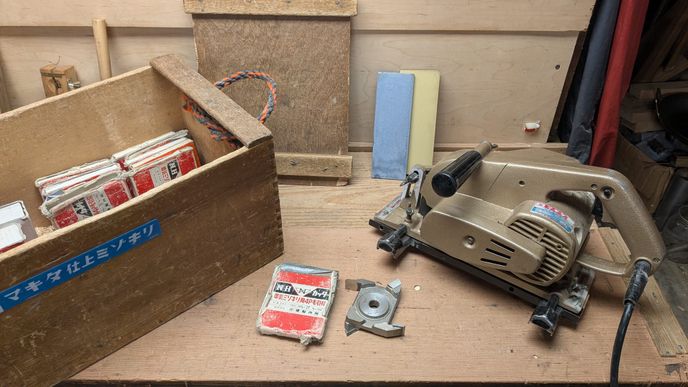
Groove cutters themselves are very simple. They look a lot like circular saws, but they're typically belt-driven, and accept large cutters that look a bit frightening when you first encounter them.
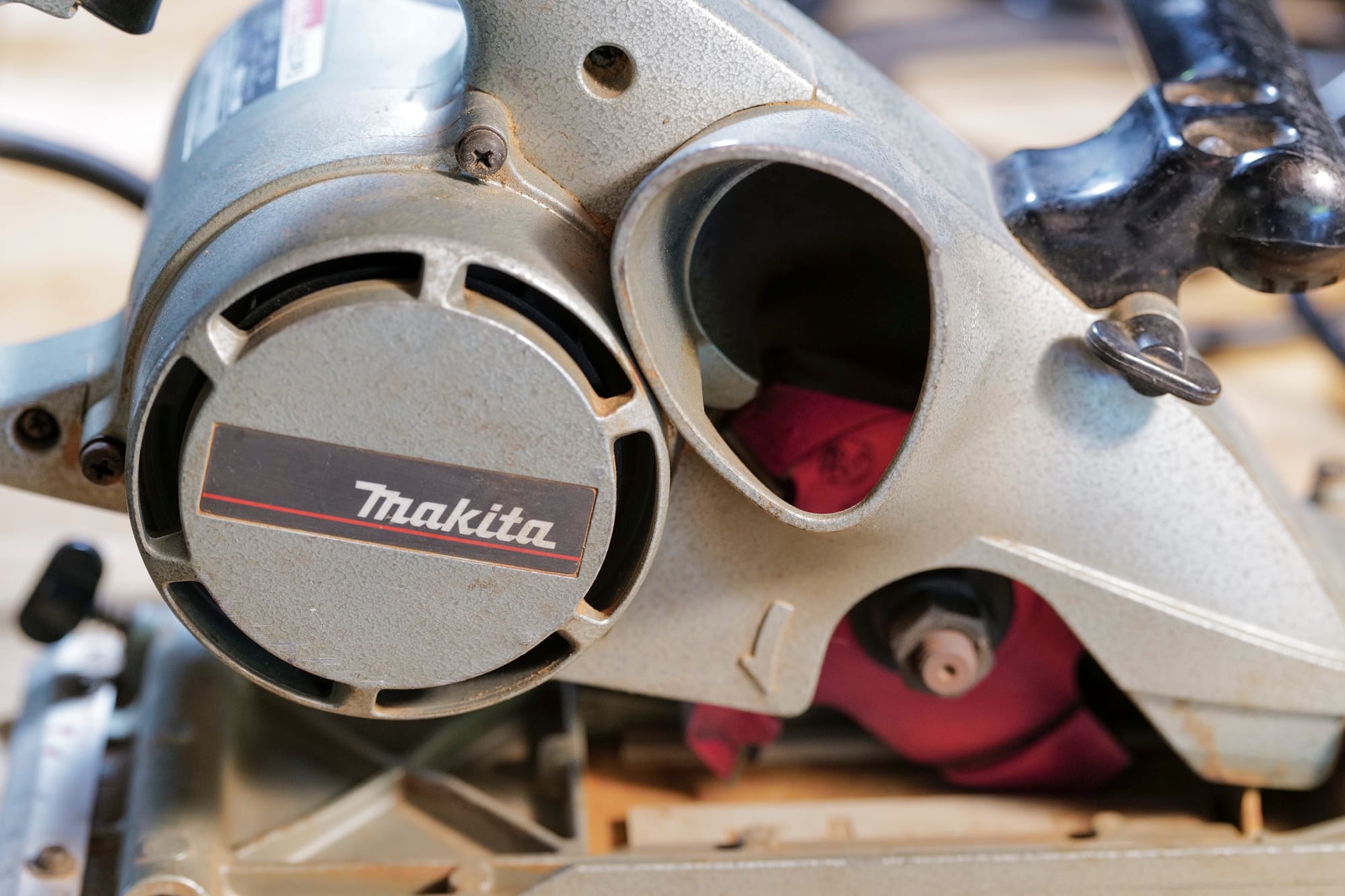
The tool has a vertical depth adjustment that lets you cut up to an inch deep with smaller models, or up to an inch and a half deep with bigger ones.
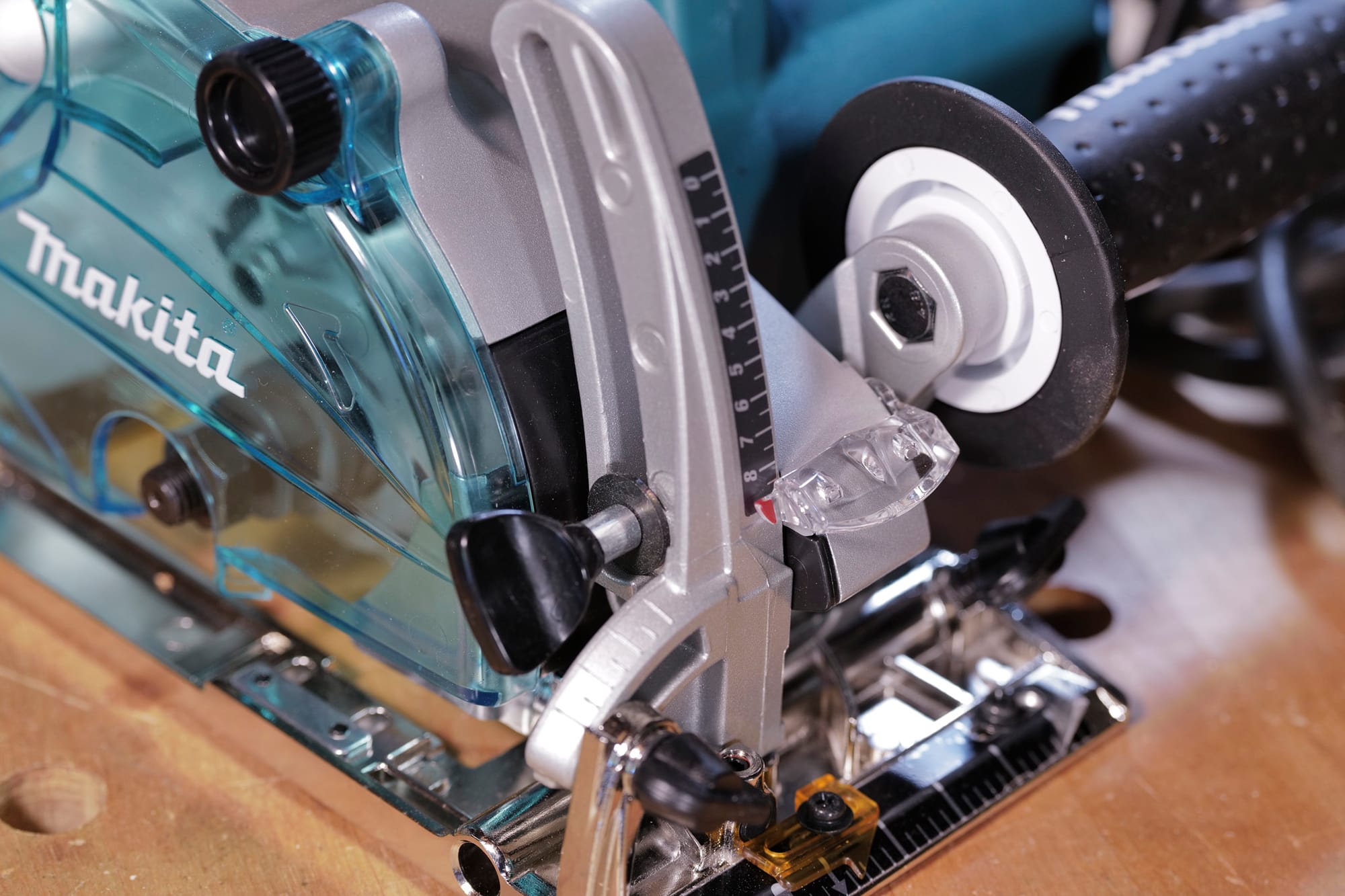
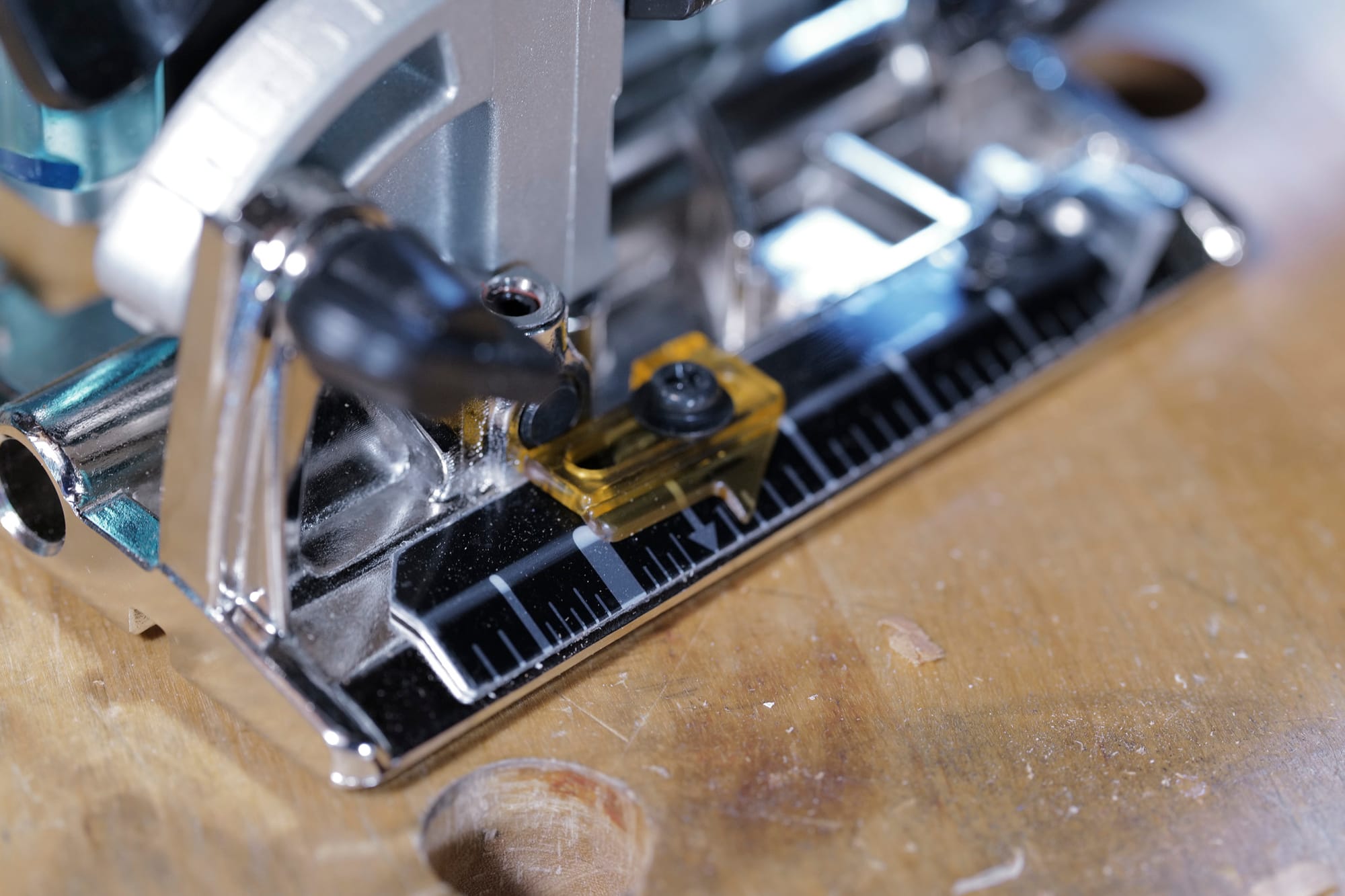
These depth adjustments come with a "scale" on them that has arbitrary units - don't be fooled into thinking those numbers mean anything; they're just useful for keeping track of what settings you used that worked last time. Newer models have a taper to the depth stop, so they are very unlikely to loosen and slip, avoiding making a deeper cut by accident. There's also a scale on the front to make sure you're cutting in the right place.
The fence
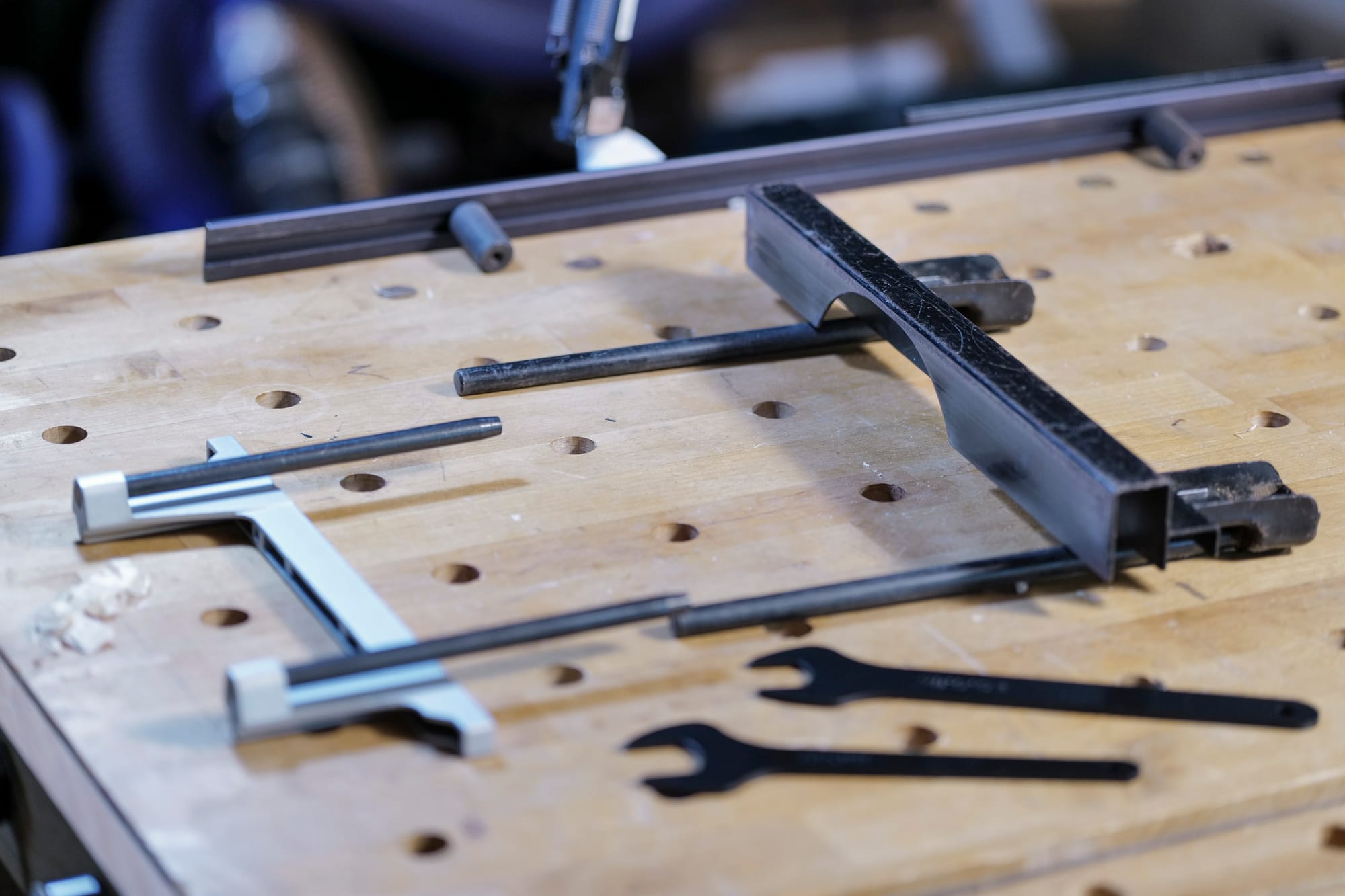
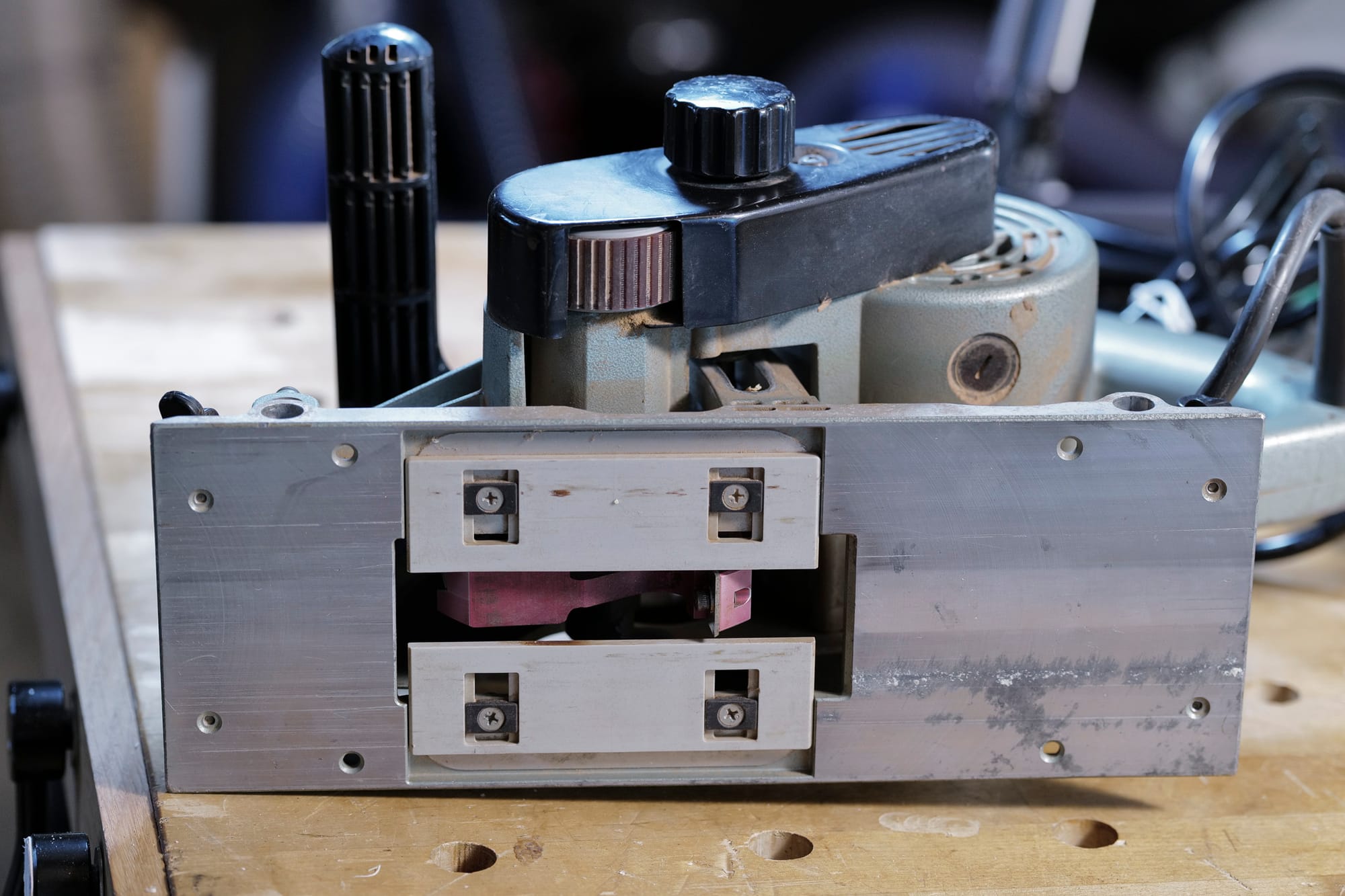
The fence on a mizokiri is critical to its performance. The models I have used all include a well-made steel or aluminum fence, but the user is expected to supply a well-milled piece of wood that screws onto that metal piece.
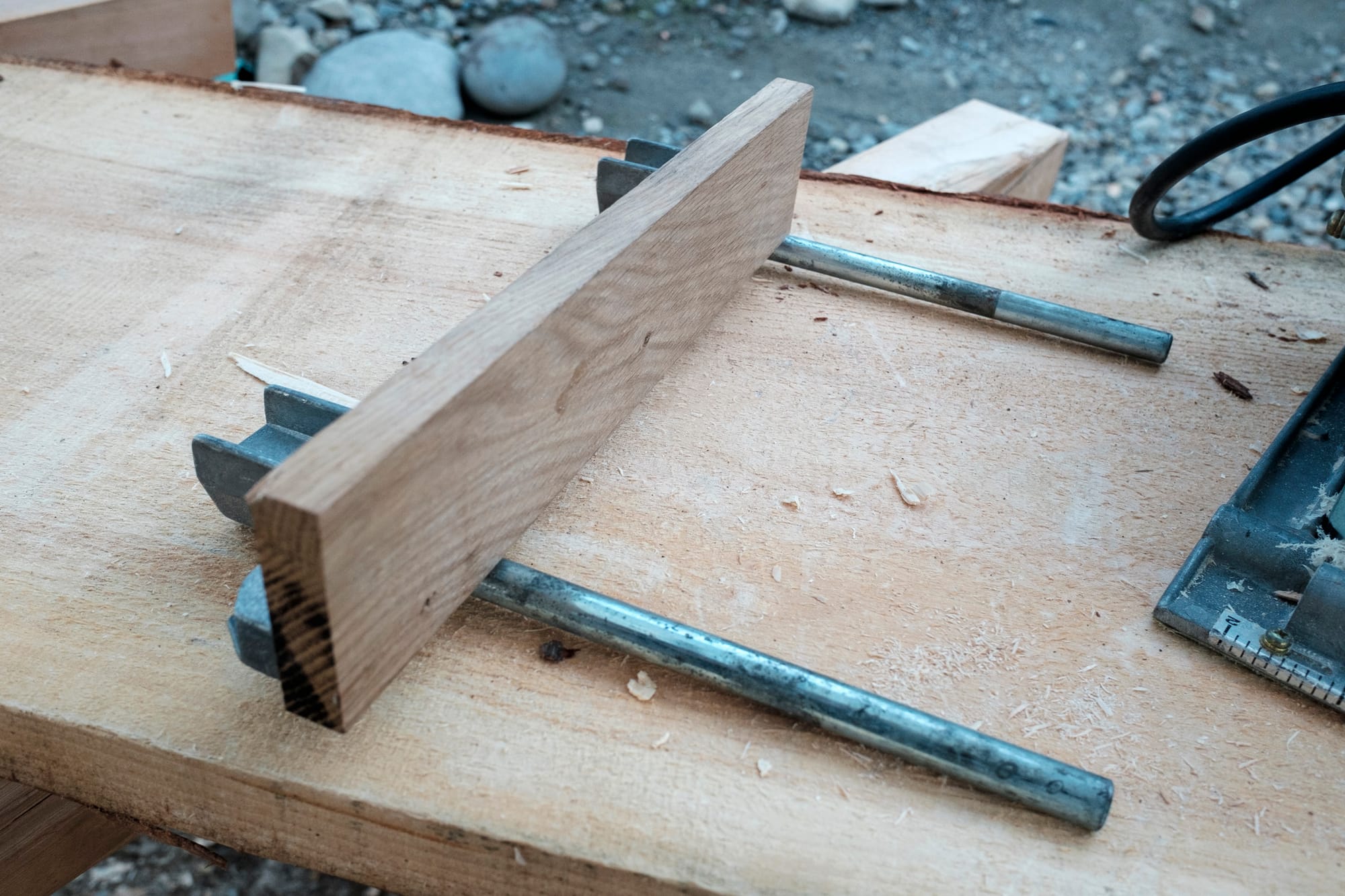
This is important because when you cut rabbets with this tool (yes, it does that well, too) you need to position the fence within the cutter's range of action - so the cutter has to chomp through the fence directly, at least a bit. You can just use the metal fence directly, if you wish, but you lose out on rabbeting, and a short fence is less accurate in general.
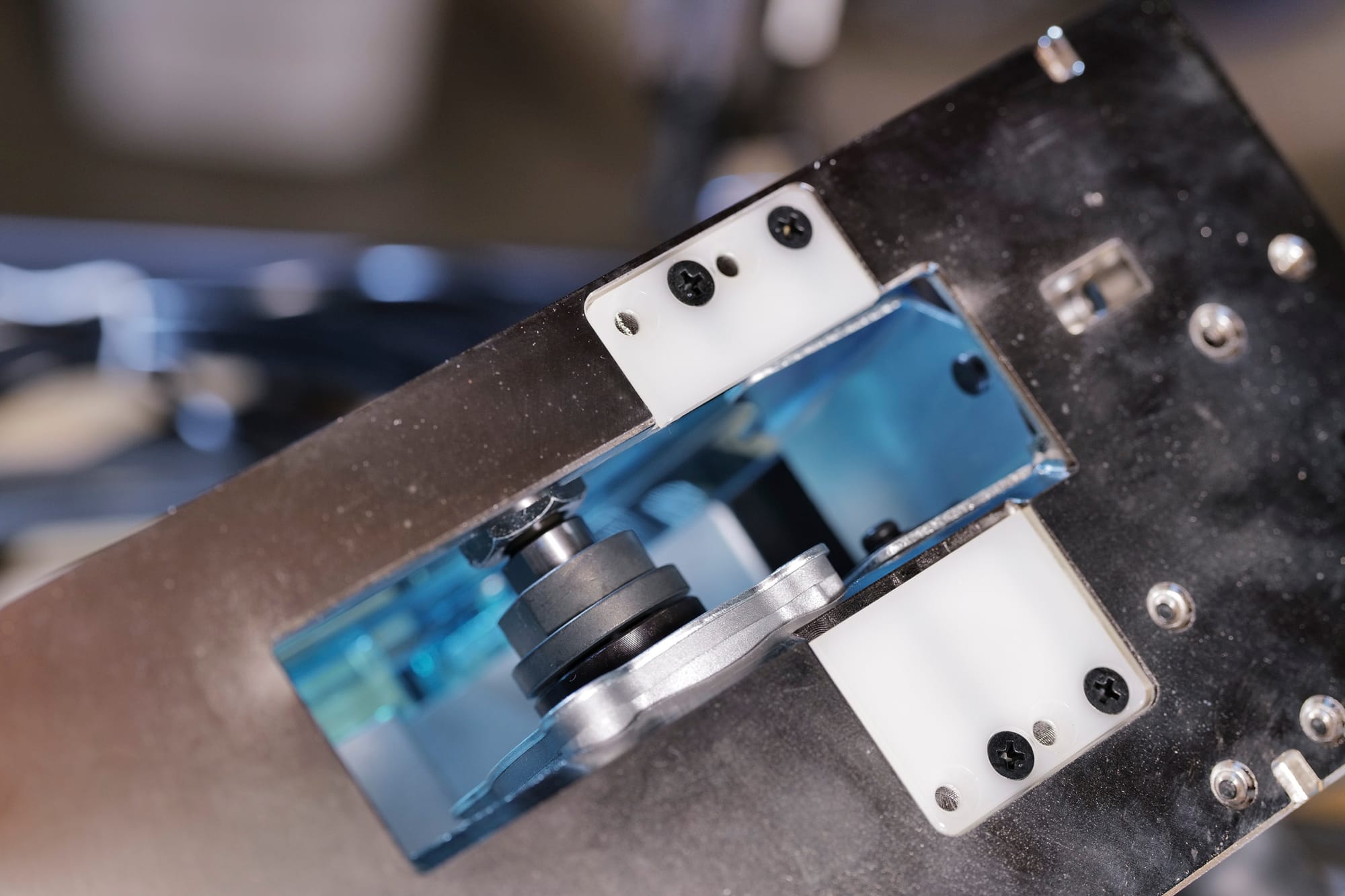
Oh—On the baseplate, there are support pieces that slide to accomodate smaller and larger blades.
Getting one (outside of Japan)
For a long time, there have been two main makers of groove cutters: Makita and Hitachi. Unfortunately, neither imports these tools to the US, but they are easy to find on eBay and Amazon Japan.
The latest editions of the small ones are the Makita 3005BA and the Hitachi PG21BA. The large ones are the Makita 3803-A and the HiKoki PG21B. There are many historical ancestors from the last 70 years, too, and generally they perform well; very little has changed in these tools since the 1970s, especially for the large models.
On Japanese sites, the most reliable search term to use is the katakana "mizokiri": ミゾキリ.
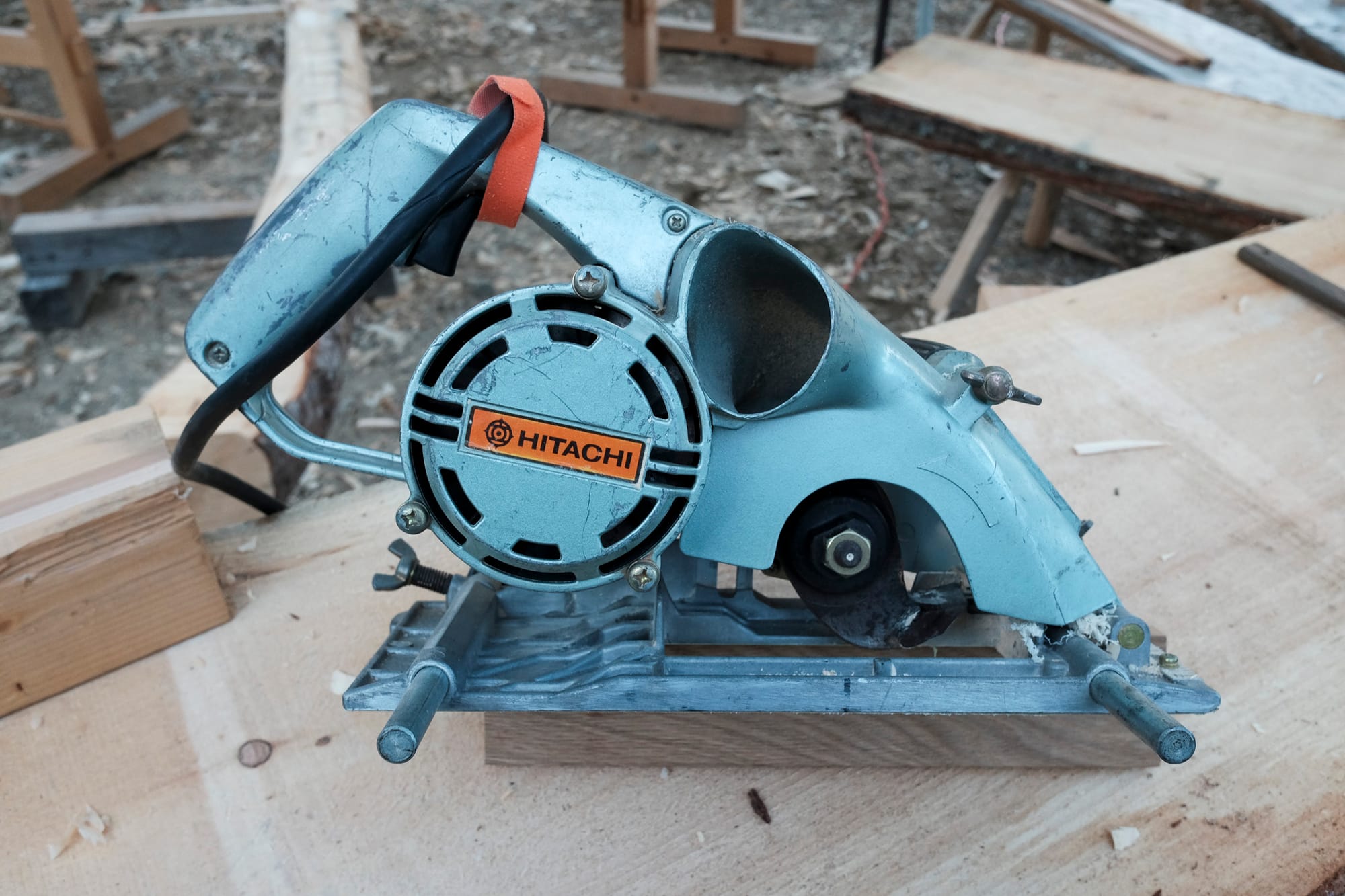
In 2019, Hitachi seemed to have discontinued their groove cutters, leaving only Makita making them. But old ones are usually just as good as new ones. I wouldn't hesitate to buy a used groove cutter.
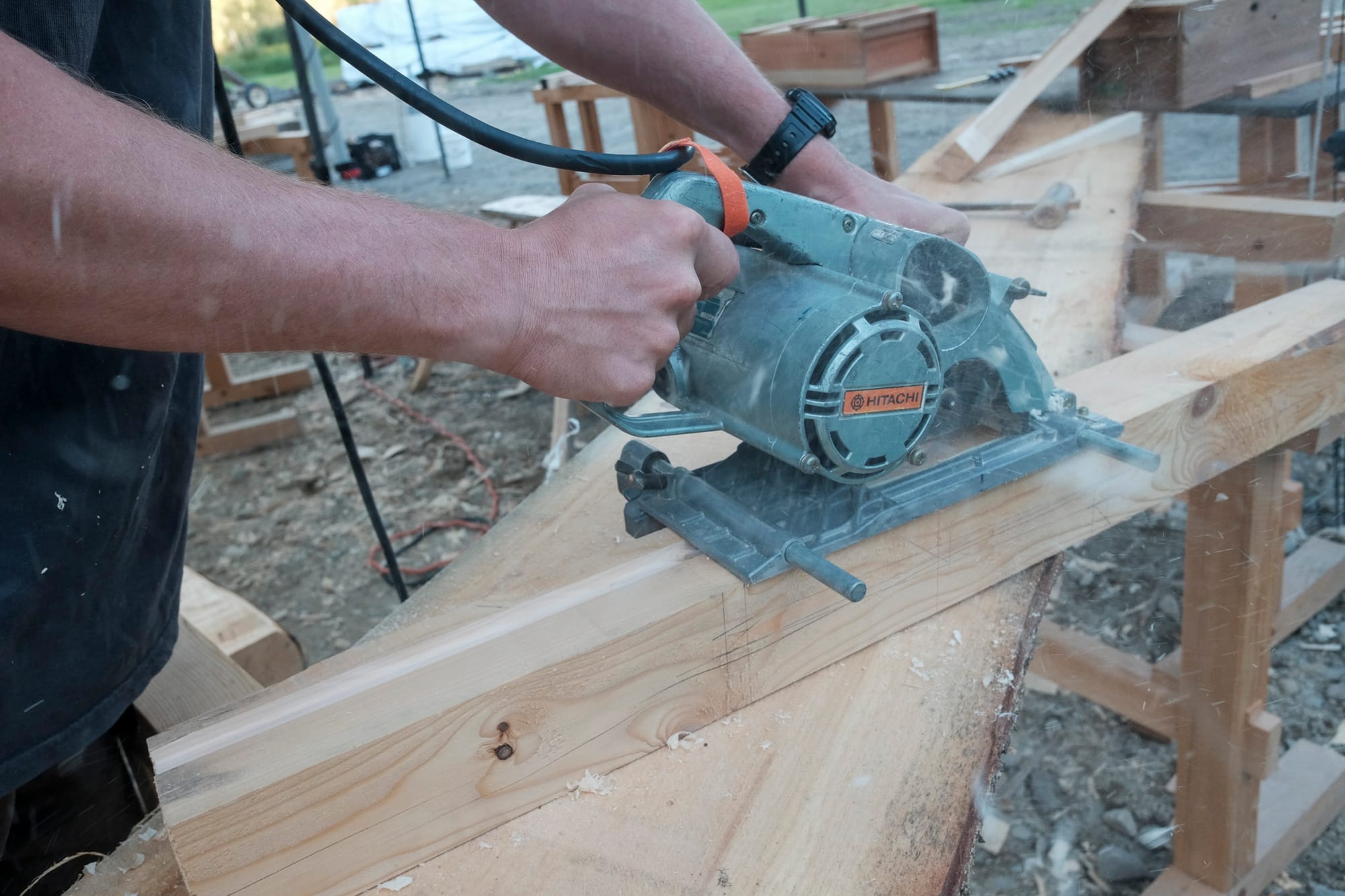
Broadly speaking, there are two general sizes of these machines.
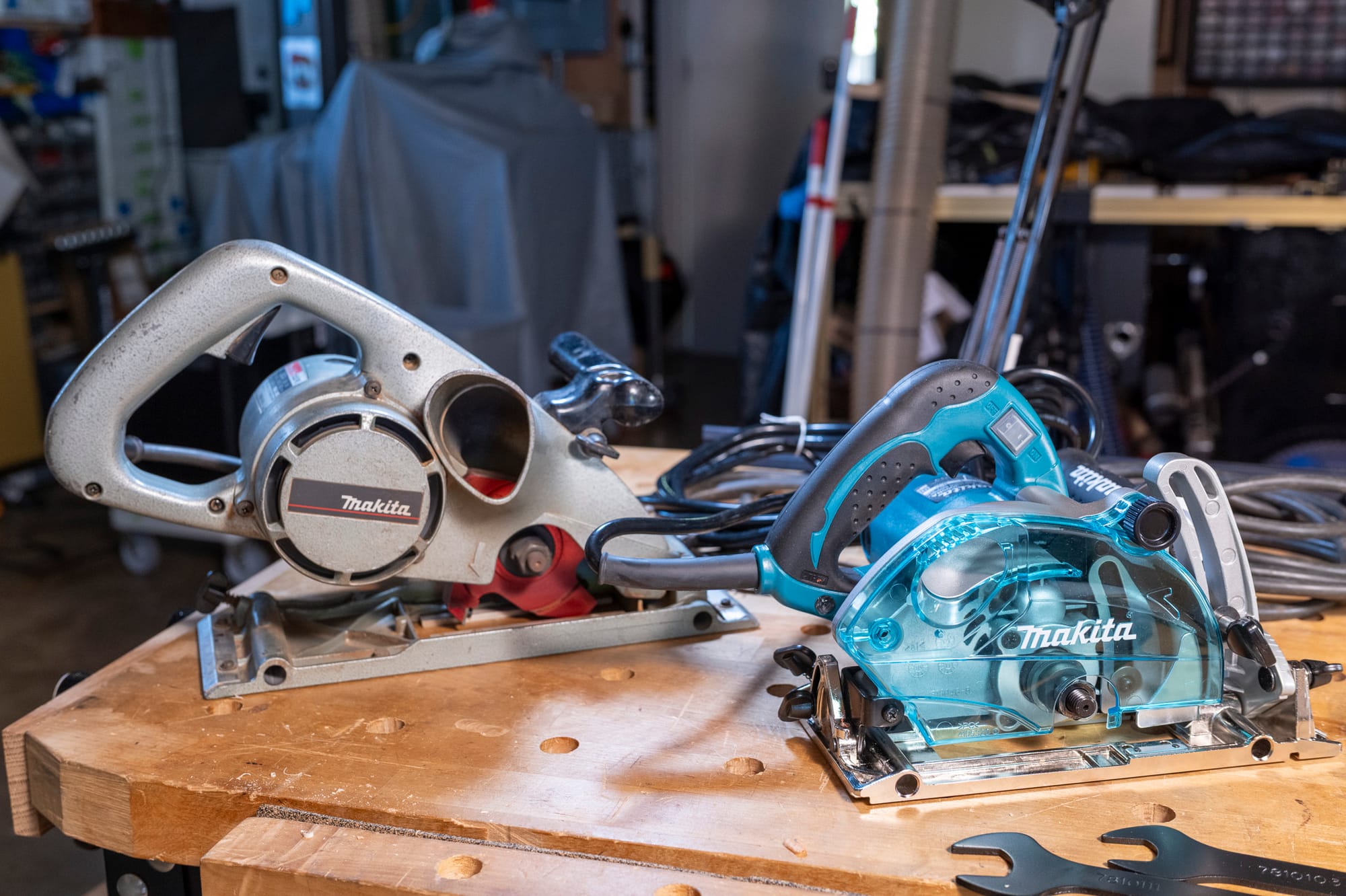
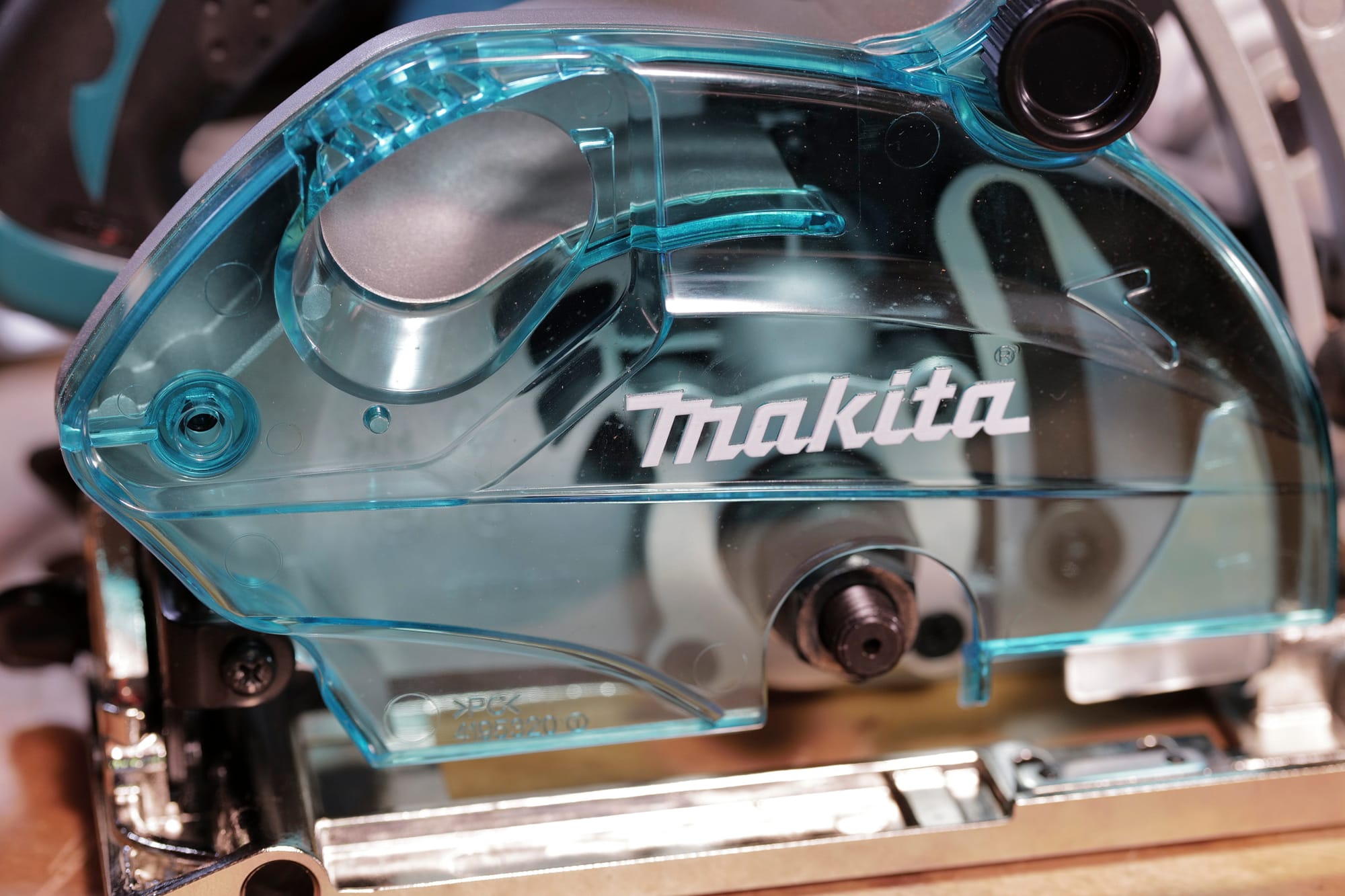
I own one of each size. I like the smaller one when doing most furniture-scale work - grooves under perhaps 15mm or so. It's nice to have a smaller unit because it's lighter weight and easier to balance on smaller pieces of wood, like the rails and stiles in frame-and-panel work. But it's got a lot more plastic than the big one, and comes with a crappy "dust collection" port that just clogs under most load.
For architectural work, or longer grooves (say, more than 3 or 4 feet) I prefer the larger machine. It has a bigger base, which makes it easier to keep it level at the start and end of cuts. It also has a bigger motor, and just more mass, which makes it run with less vibration; I think it gives a smoother cut.
If you're interested in getting one of these tools and in the US, you might be concerned about voltages. Japan's electrical standards use 100V where the US would use 120V. I have not, personally, had any problems with just plugging directly into the wall. The extra voltage means the tool runs at a higher RPM than it was designed for, which will put extra wear on the commutator and brushes, but these things are robustly built.
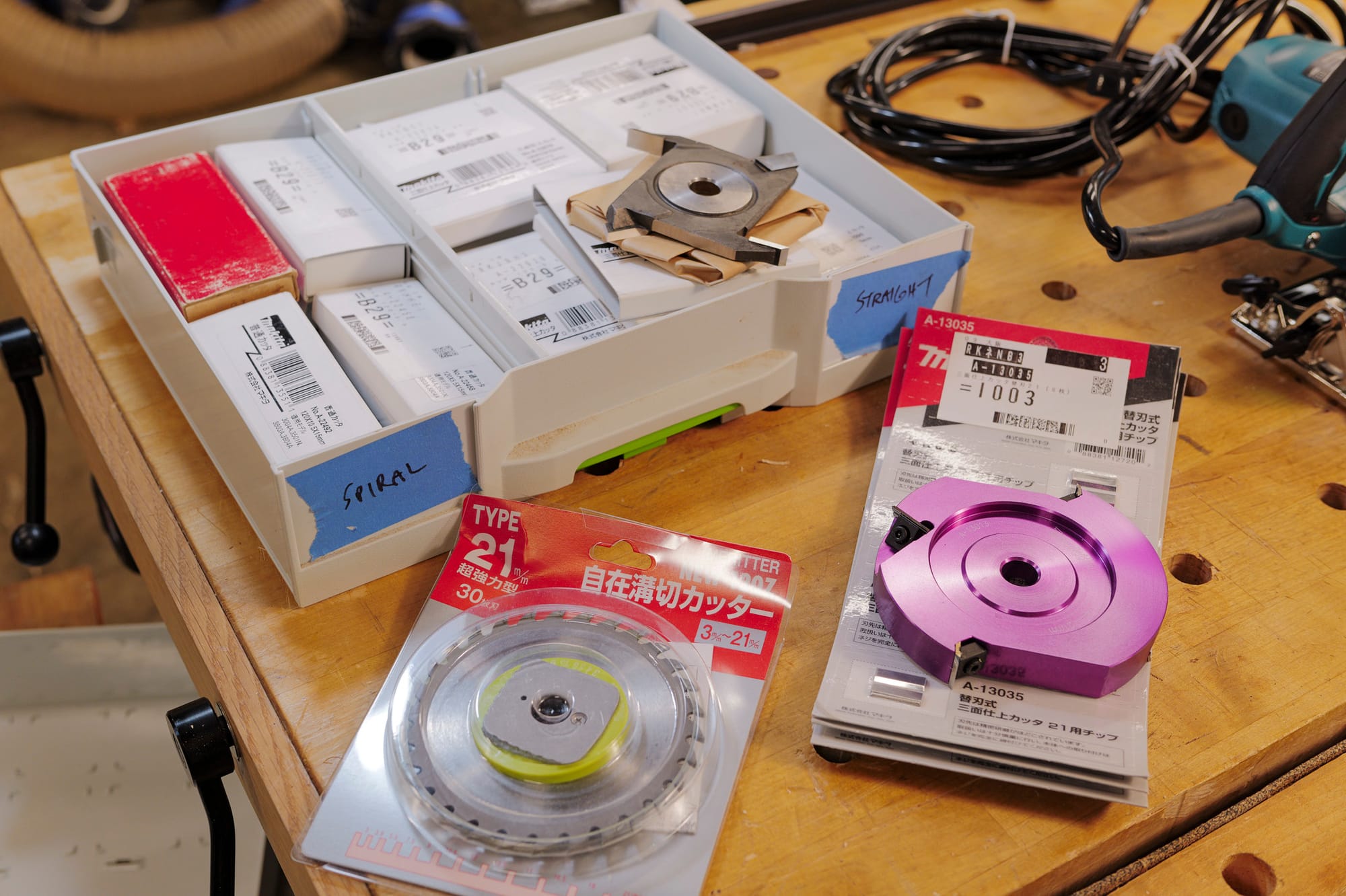
Buying cutters can be harder than buying the main tool body - and is shockingly expensive. A single size of cutter can easily be $80 or so. My advice is to start with a few cutters - something wide like 21mm so you can cut rabbets, and then a narrow one specific to your needs. I've liked the Nakahashi-branded cutters I have gotten, but Makita and Hitachi make cutters, too. (We believe they arbor is the same for all groovers.)
The tooling (cutters)
I search for them as groove cutters ( with the brand and size in mm).