I’m looking for recommendations setting up, tuning, making a dai for other types of Japanese planes other than the Hira-Kanna. – /Cumbachero123
The Line is a reoccuring advice column, with perspectives gathered through working and reporting with professional craftspeople. For subscribers only.
For sure, there's more to planes than hiraganna. Rabbet planes, scraper planes, chamfer planes, jointer planes, and curved planes, for starters. Here are some answers, gathered from sashimono and carpentry masters, over the last decade.
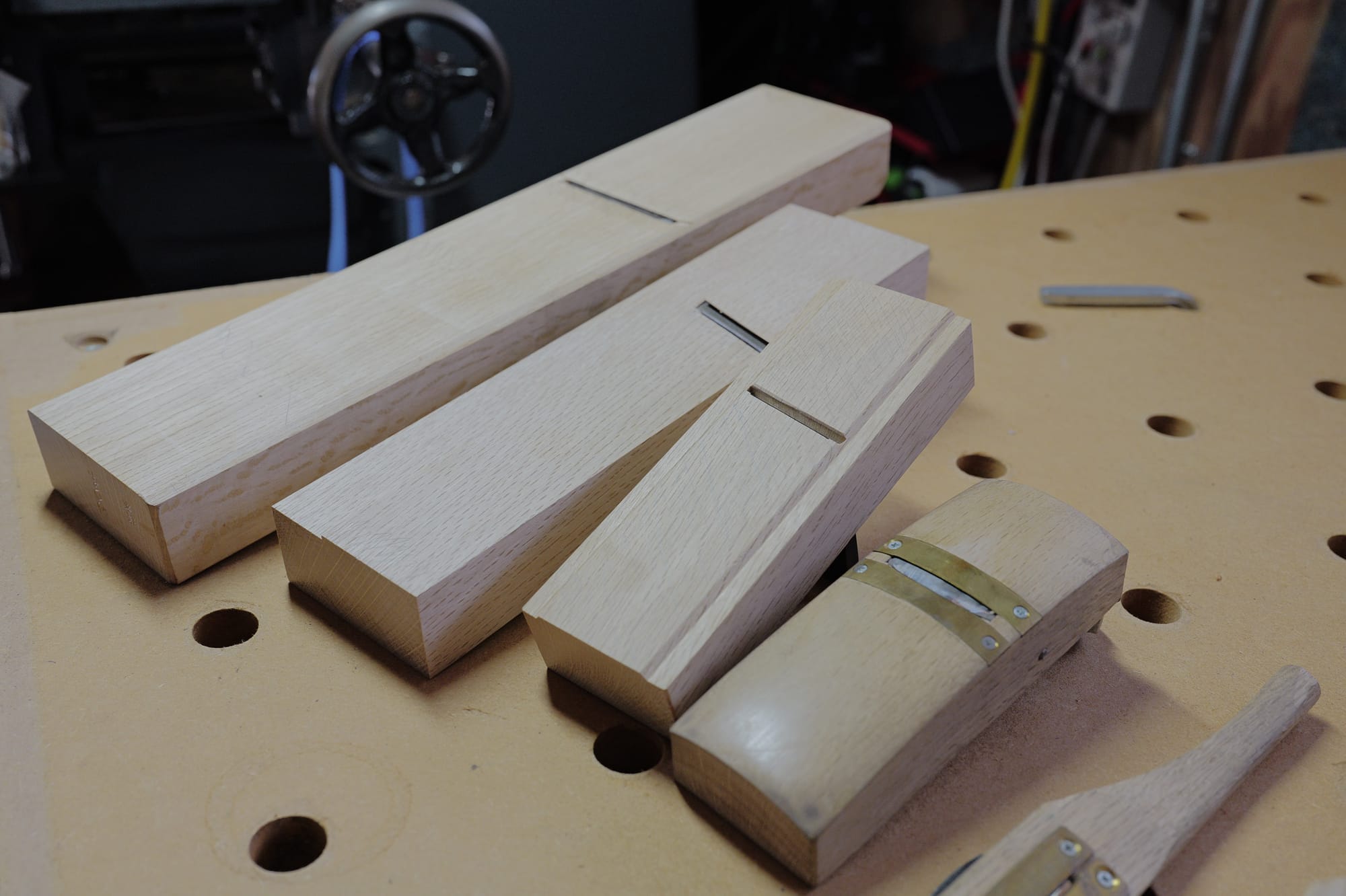
The real answer, though, is that all planes function the same on the most basic level. And so they really are set up the same. In essence, they are set up to take the right size cut, with the right kind of chip breaking, with the right kind of support, interference, stability, and wear resistance for the blade and block.
Also, please note that Scott Wynn's book covers a lot of irregular plane set up. Worth a read for sure.
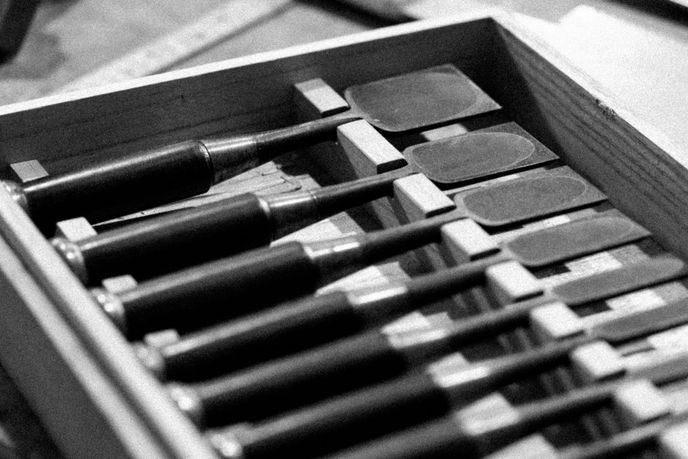
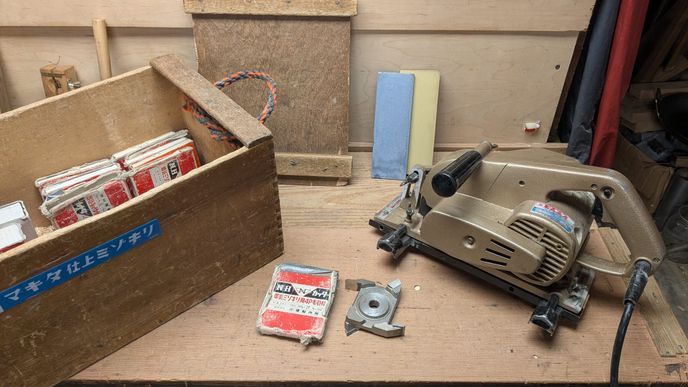
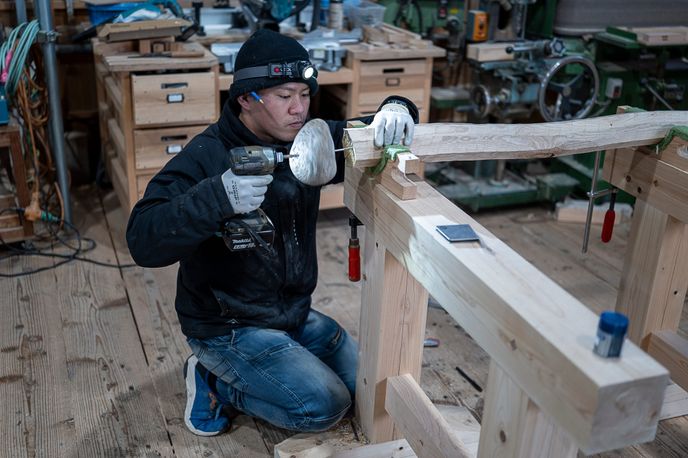
In the following images, I've scribbled some pencil marks on touch points to help visualize the set up.
Scraper planes
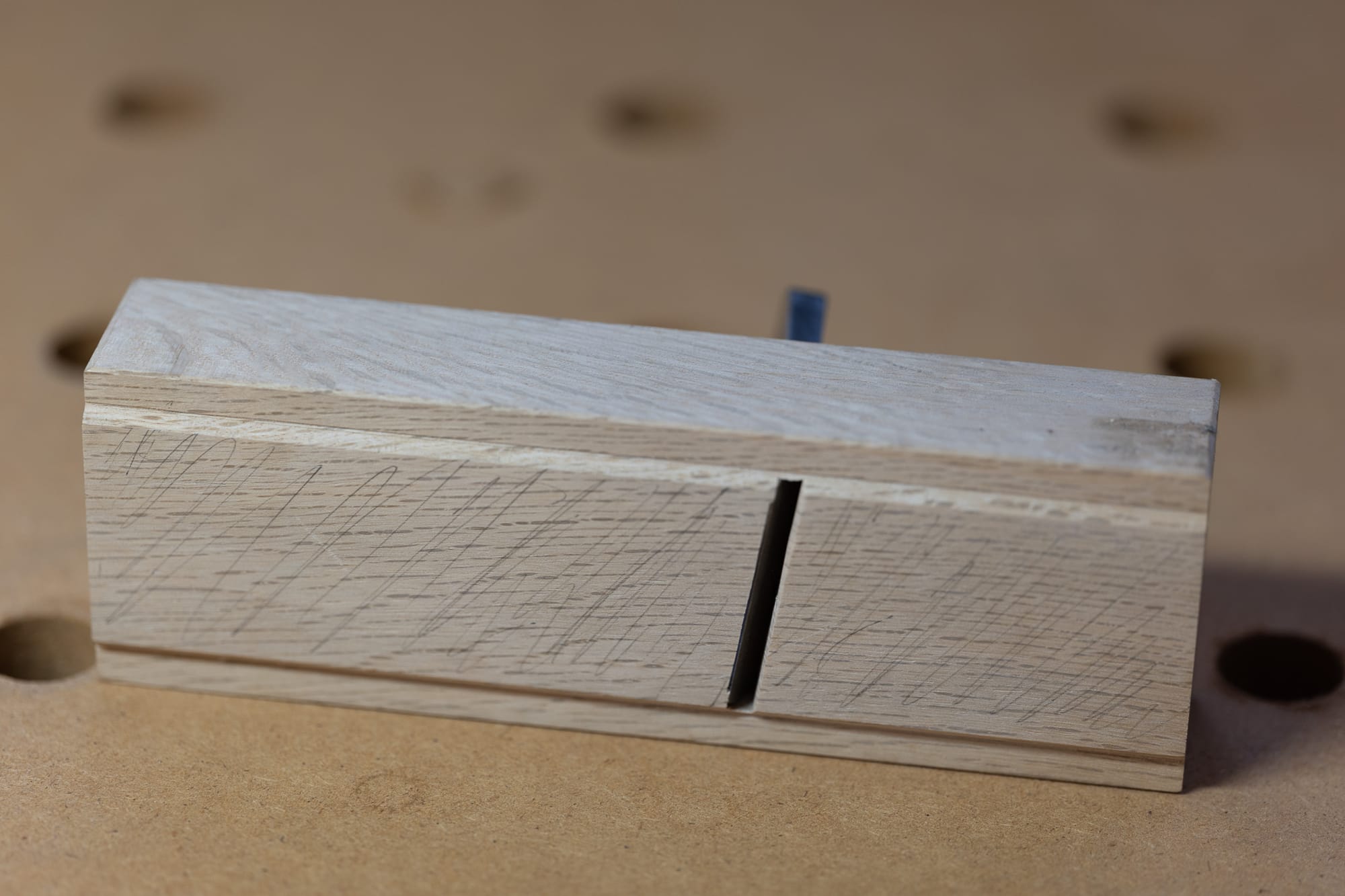
The sole is totally flat. To hit the plane blade out of the body, you kind of have to ding the top of the body or use a wooden or rounded hammer, since you want to hit in the opposite direction you want the blade to travel (out.)
Kiwa (rabbet) planes
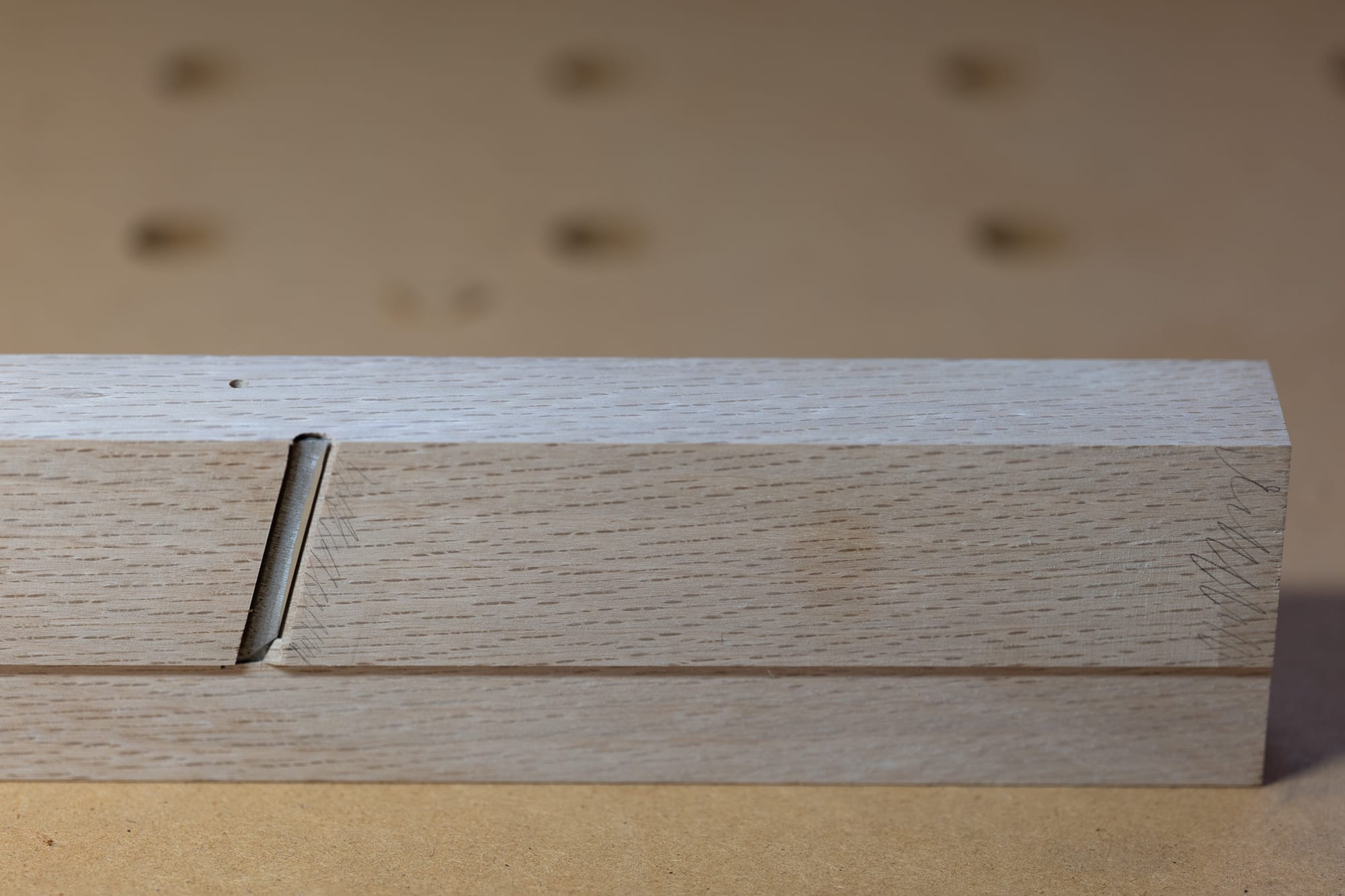
The blade must be set up so the edge of the blade is shaped so it extends evenly across the dai block. The blade also must meet the corner of the blade with the corner of the dai block at the same time. The block should be square or even slightly relieved on the inside corner (a smidge less than 90, to avoid interference).
And, if you take 10-20 strokes, the rabbet should continue to be cut square and the plane shouldn’t cut a path into or away from the shoulder. Bottom is relieved between the mouth touch point and the leading touch point. Back is relieved. Not too much—appropriate relief for accuracy/depth of cut, just like on a regular plane. If you have a side cutter, it should nick the grain before the rabbet plane cuts.
One tip is to shape the blade to roughly the right shape to come out of the plane parallel to the sole at the extension of use, but to do final squaring of the blade to body by shaping the wood.
For the clearance of the chip, keep the opening of the mouth on the side small as possible. This is counterintuitive, but its better if the small smooth hole is set to pass the chip upward rather than accumulate. This is the same for many tools below.
Remember you don't have to set up a chipbreaker for a plane mainly used on end grain, but also, there is a specific version of a rabbet plane that reverses the skew and is meant for end grain. The skew is reversed to eliminate blow out on the surface.
Gotoku plane and groove planes
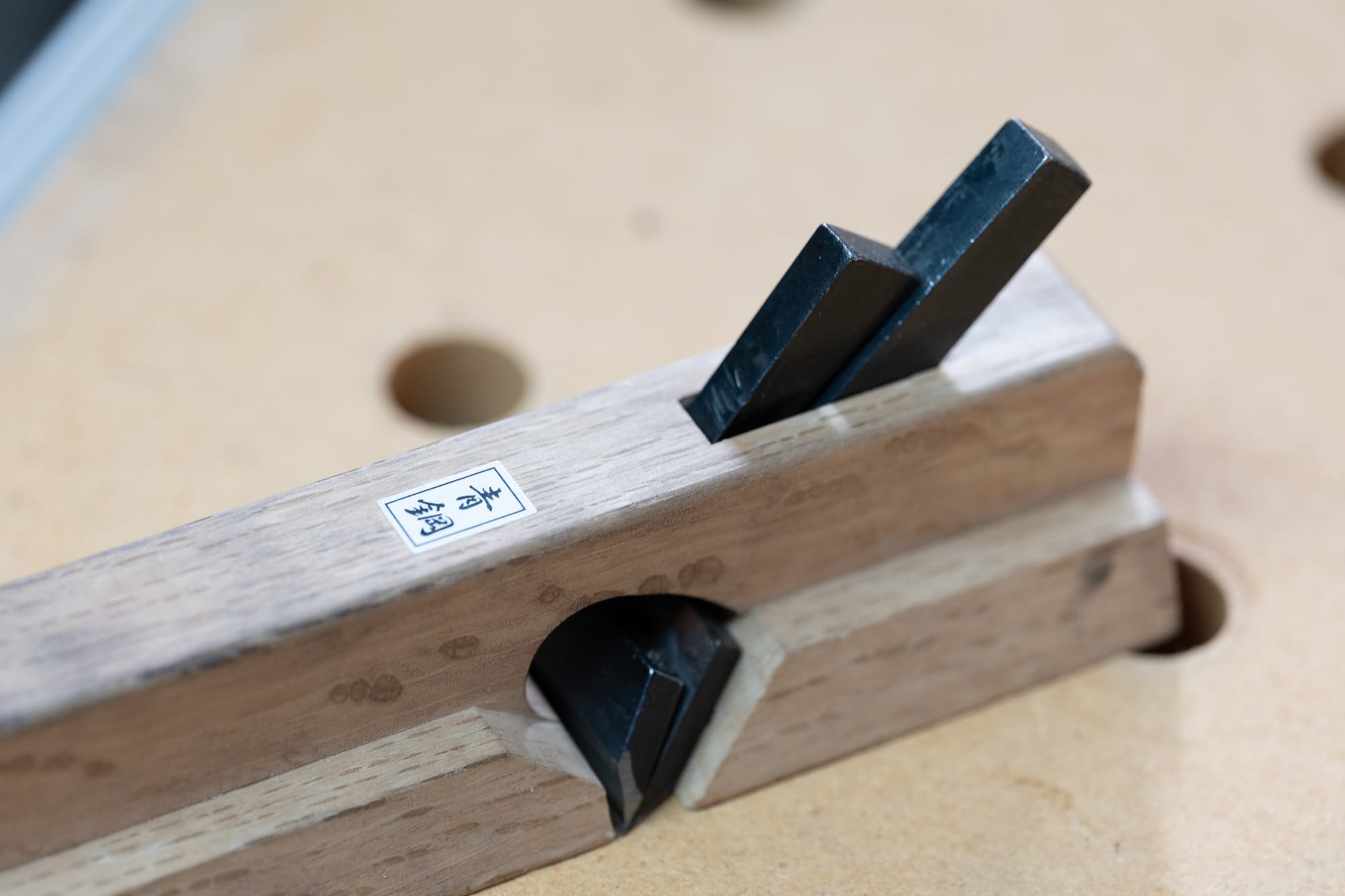
These sorts of planes with a chipbreaker that also holds the blade in place act more like a western plane with a wedge to set the main blade. Flatten the backs, and then to get the right tightness to make the blade stay in place, you have to work the chipbreaker by hammering it and filing it to fit.
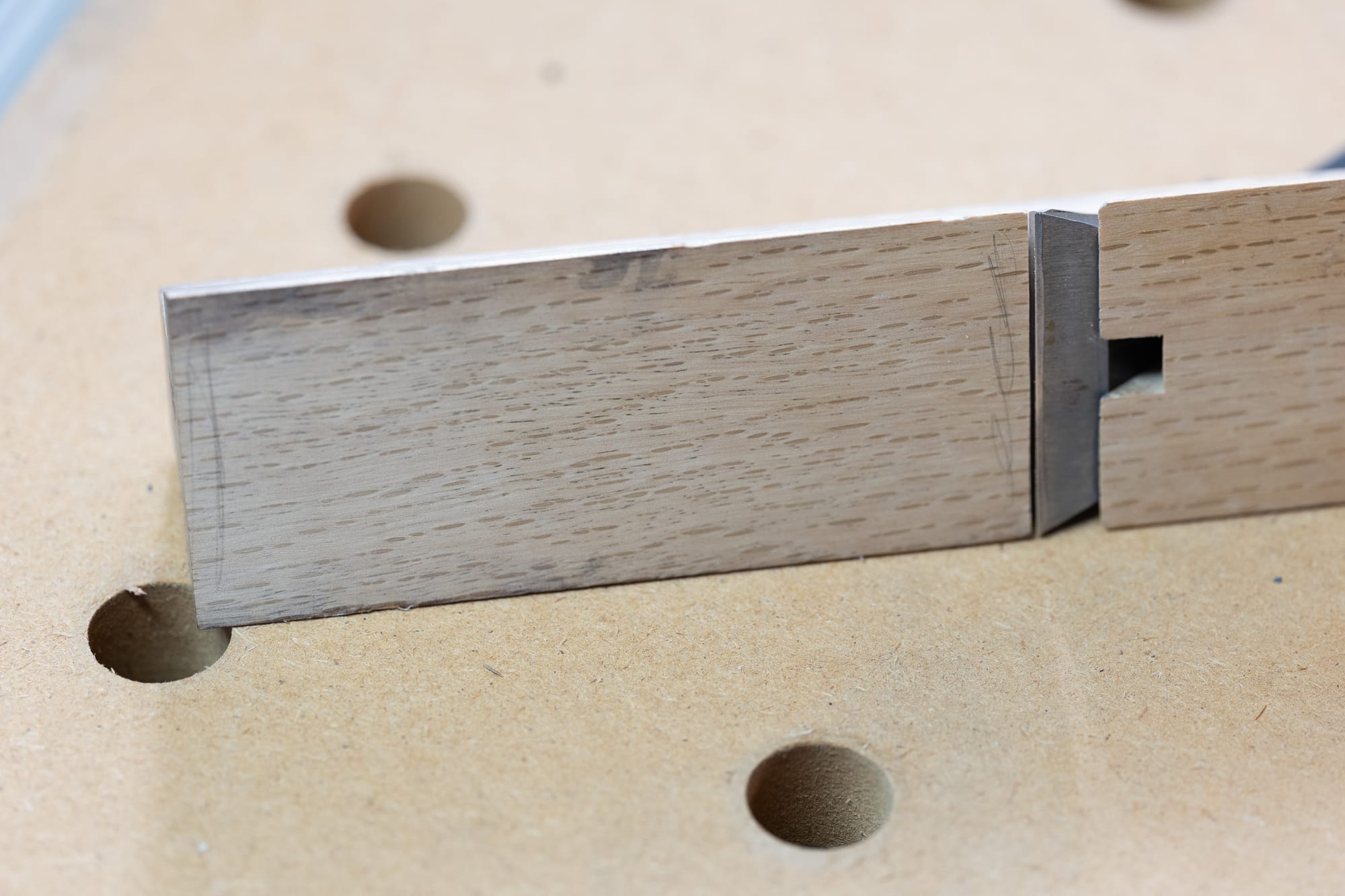
It's easiest, I find, to set the blade on a table, so the main blade rests flush with the dai. To lock it into place, tap the chipbreaker, which has to be not only tensioned correctly but it has to be within the typical close distance of 0.1 or 0.2mm away from the edge of the main blade to work properly. Making a small extension past the flush level should be possible if you fit the blade this way, with no change to the fit.
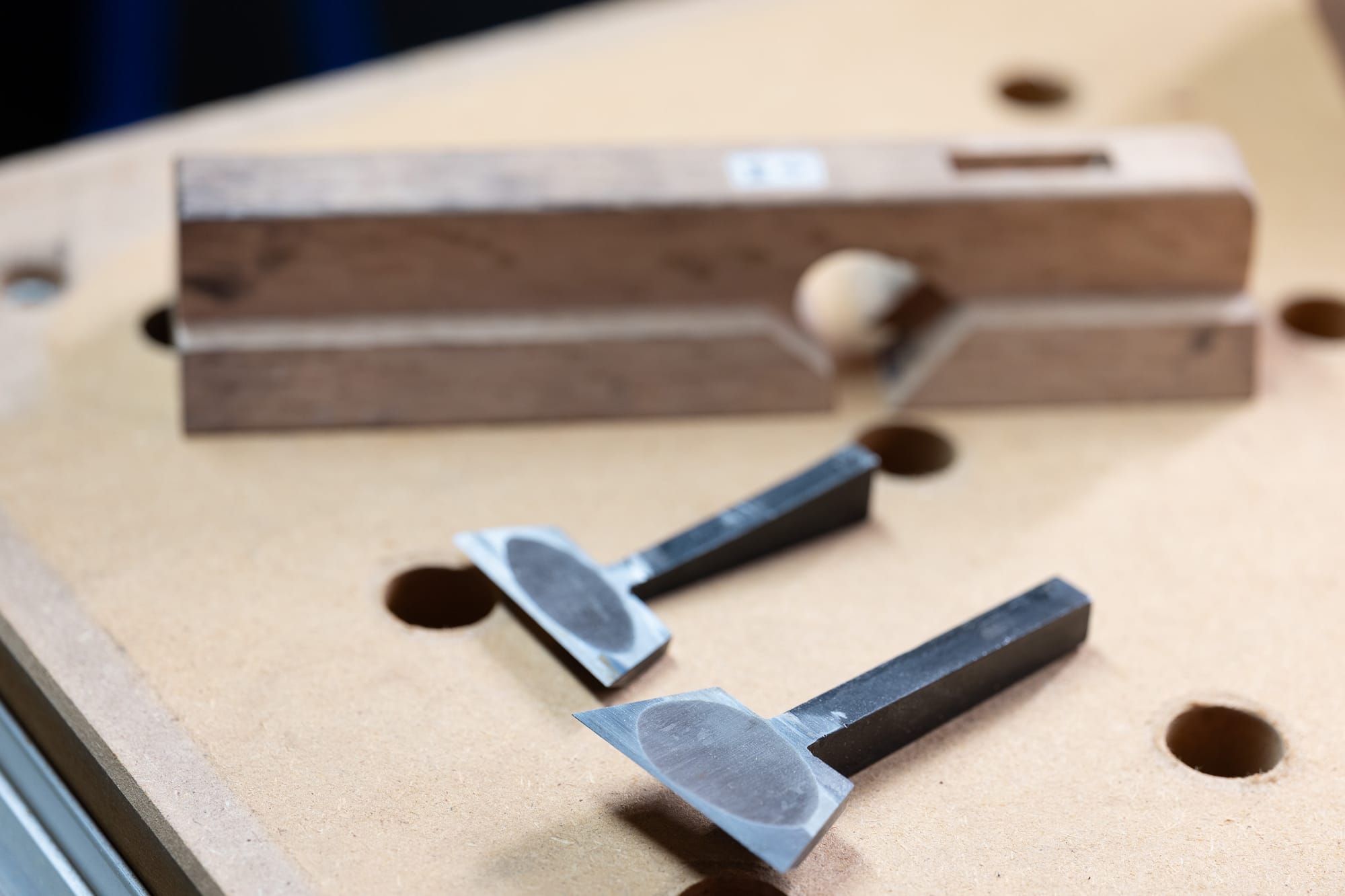
The same thing goes for groove bottom planes.
Curved planes (sotomaru or uchimaru)
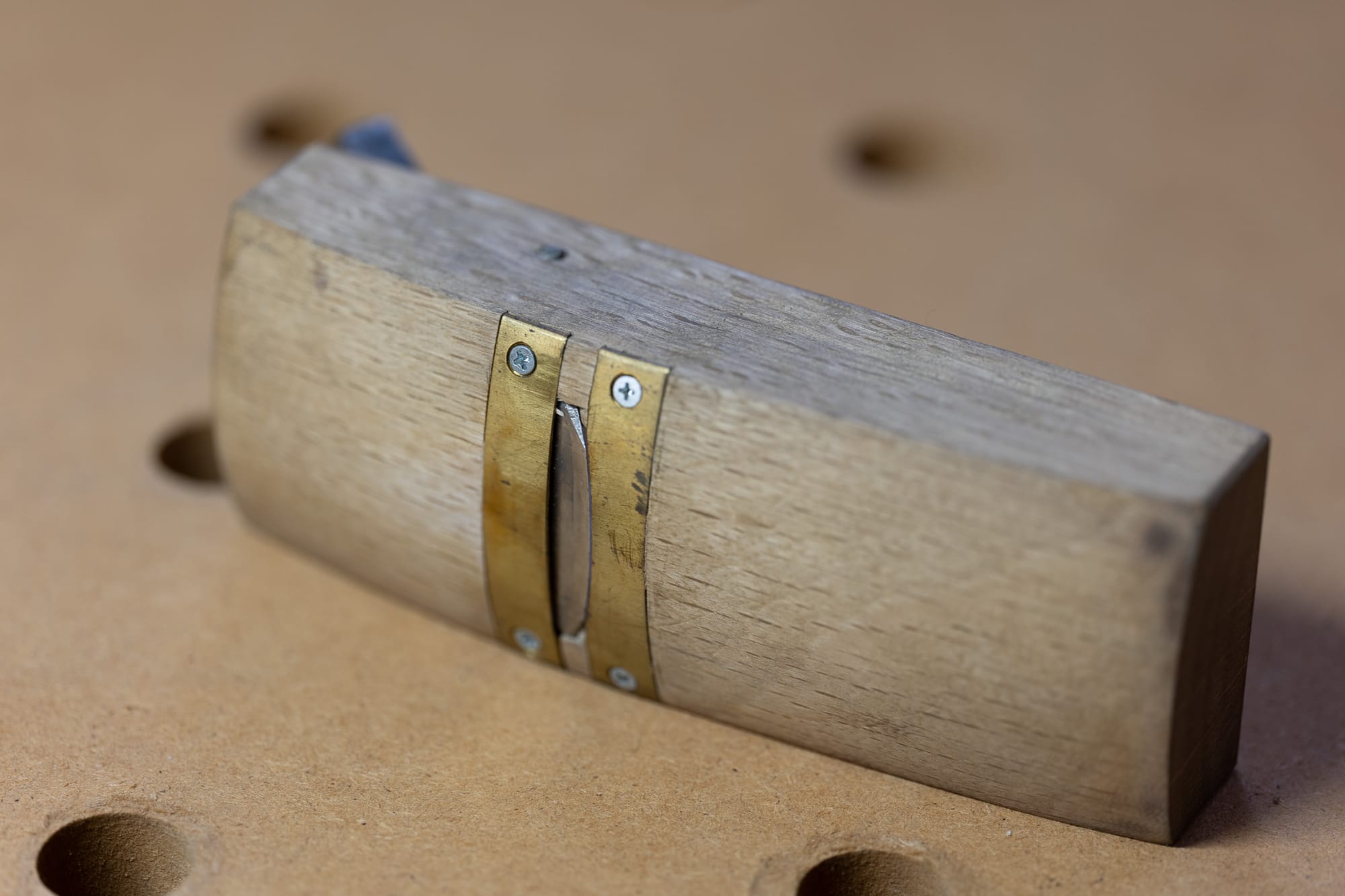
Surprisingly, a tiny bit of relief between the mouth and front touch point, but more or less full contact on the back or a bit less than full contact. In general, you want the blade to take less than a full cut than the radius of the body would suggest, for both uchimaru or sotomaru planes. This helps avoid tracks. Bonus tip: Sotomaru plane sharpening generally is better at a steep diagonal or completely to the side, in a rocking motion.
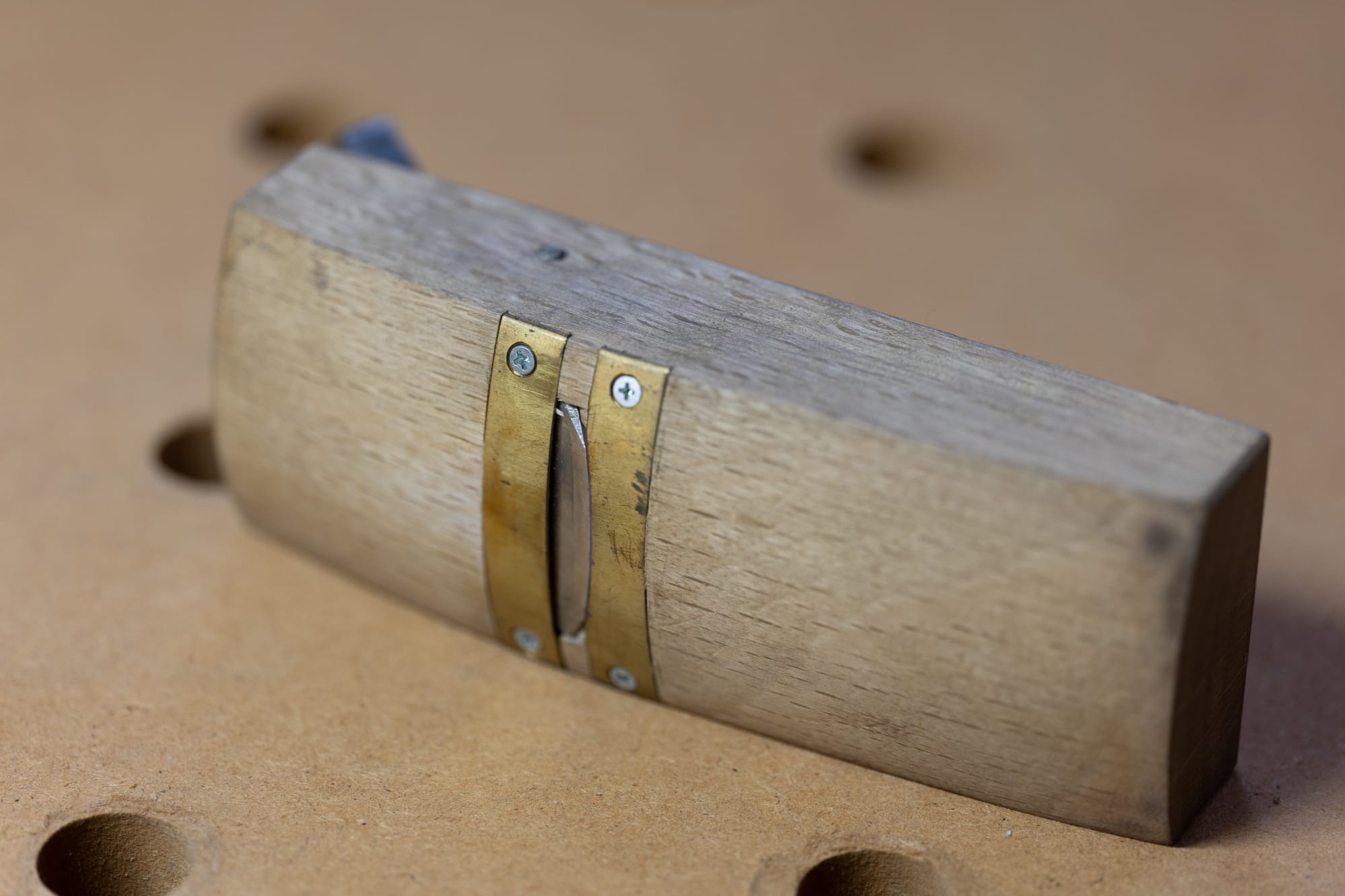
The final stone can include a tiny bit of lift to ensure the edge is hitting. Uchimaru blades do better with rounded slip stones or lapping sandpaper on wooden dowels or blocks that can be formed with radiuses drawn on the ends of the blocks and shaped by bandsaw and block planes. Or by using the tool itself if it can be cut. Curved tools benefit greatly from brass inserts to mouths, since point focused wear can destroy the effectiveness of a mouth quickly. Heavy roughing use with curved planes will nuke the mouth very quickly, and the plane will just stop functioning in less than 30 minutes, without a brass insert.
Understand that brass inserts are made pretty painstakingly. One tip is you can mortise them in or not, but they should extend past the blade itself until you cut a 45 degree lip on them to pass chips. Only light should come through that gap. This work is done with files and eventually metal polish.
I might commission an article on brass mouth pieces sooner or later, if there is enough interest.
The rest of this post covers small planes, chamfer planes, spokeshaves and jointer planes. It is reserved for paid members. Sign up here.