When the founder of Wirecutter apprentices in Japan, he must have a list of his favorite tools. Right? – Josh Q.
*I'm not trying to mess with your mind with this newsletter
The Line is a reoccuring advice column, with perspectives gathered through working and reporting with professional craftspeople. For subscribers only.
When I started studying this craft, I wondered if answering a question like this was possible.
Before I answer, listen to this story:
Earlier on, the legendary Tokyo tool dealer Tsuchida sold some fine tools to a number of carpenters. To his surprise, he heard some people say the tools were wonderful, and some said the very same tools were terrible. How could this be? When he investigated the disparity, he discovered that more skilled craftspeople adjusted and used their tools in ways that let the edge cut better and last longer; The less skilled craftspeople tended to blame their tools. From this understanding, he started to sell the better tools to those who could set up and use them well. This earned the store the nickname “no sale carpentry tool store”, as better tools were saved for better craftspeople.
So buying these tools is not like buying a TV or stereo.
In this way, the best tool I have ever seen has ten strong fingers spread across two strong hands. It has two sharp eyes that, when open, are good at reading fine grain, where the hammer lands. And how their teachers and senpai move, sharpen, and cut. Most of all, its heart and mind are set in a certain way, refined as surely as a tool is refined on a stone, over decades of trial. The best tool knows what is happening because of the stone, steel, and wood, but it can also distinguish what shortcomings come from its own skill and understanding.
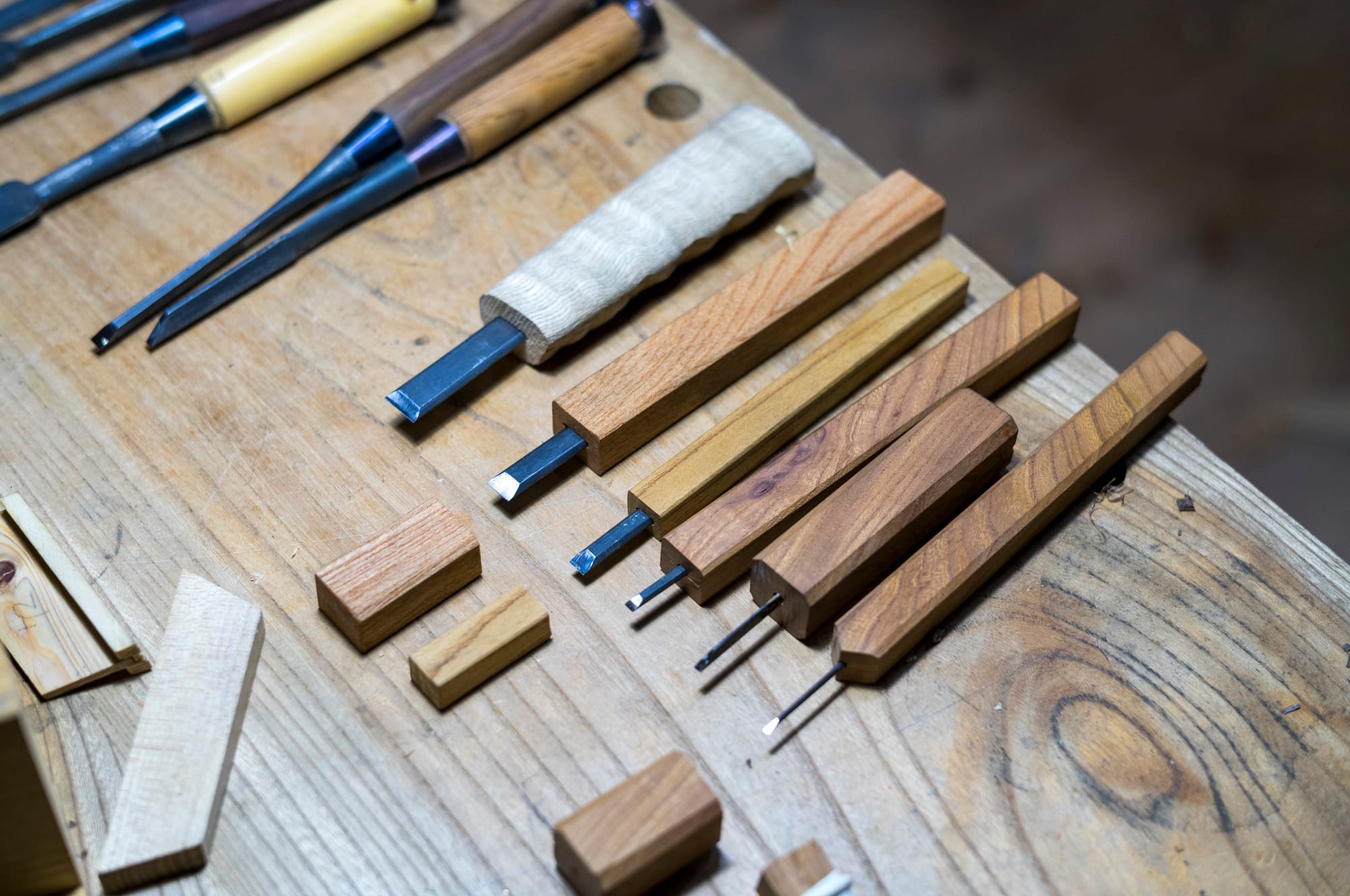
This is not woo or philosophy. It is a very practical idea. It expresses itself most simply like this: A skilled craftsperson can make something beautiful with almost any quality of tool. A beginner, given all the tools stored at Takenaka Carpentry Museum, would struggle to make the simplest thing, even given all the time in the world.
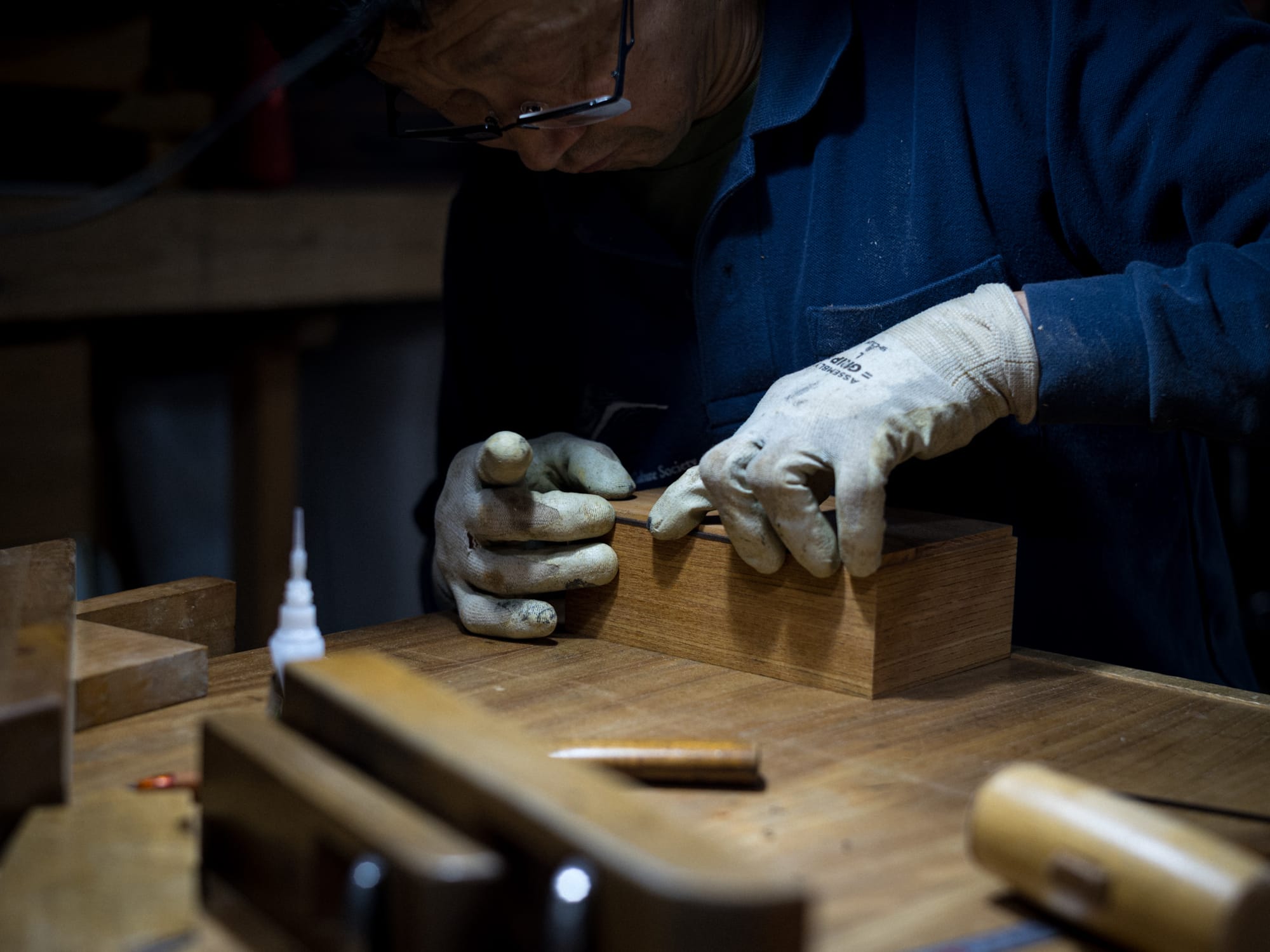
Of course, some tools get sharper, last longer, and are more accurate. But in the hands of someone without skill, they won’t perform as intended. And since all tools need setup, poorly set-up tools, even of great origin and quality, would not perform all that well.
So we are the variable here that matters the most.
Also, fine tools are rare and so expensive that people can't build only with them. Newer carpenters could not afford them. And there aren’t enough of them to go around.
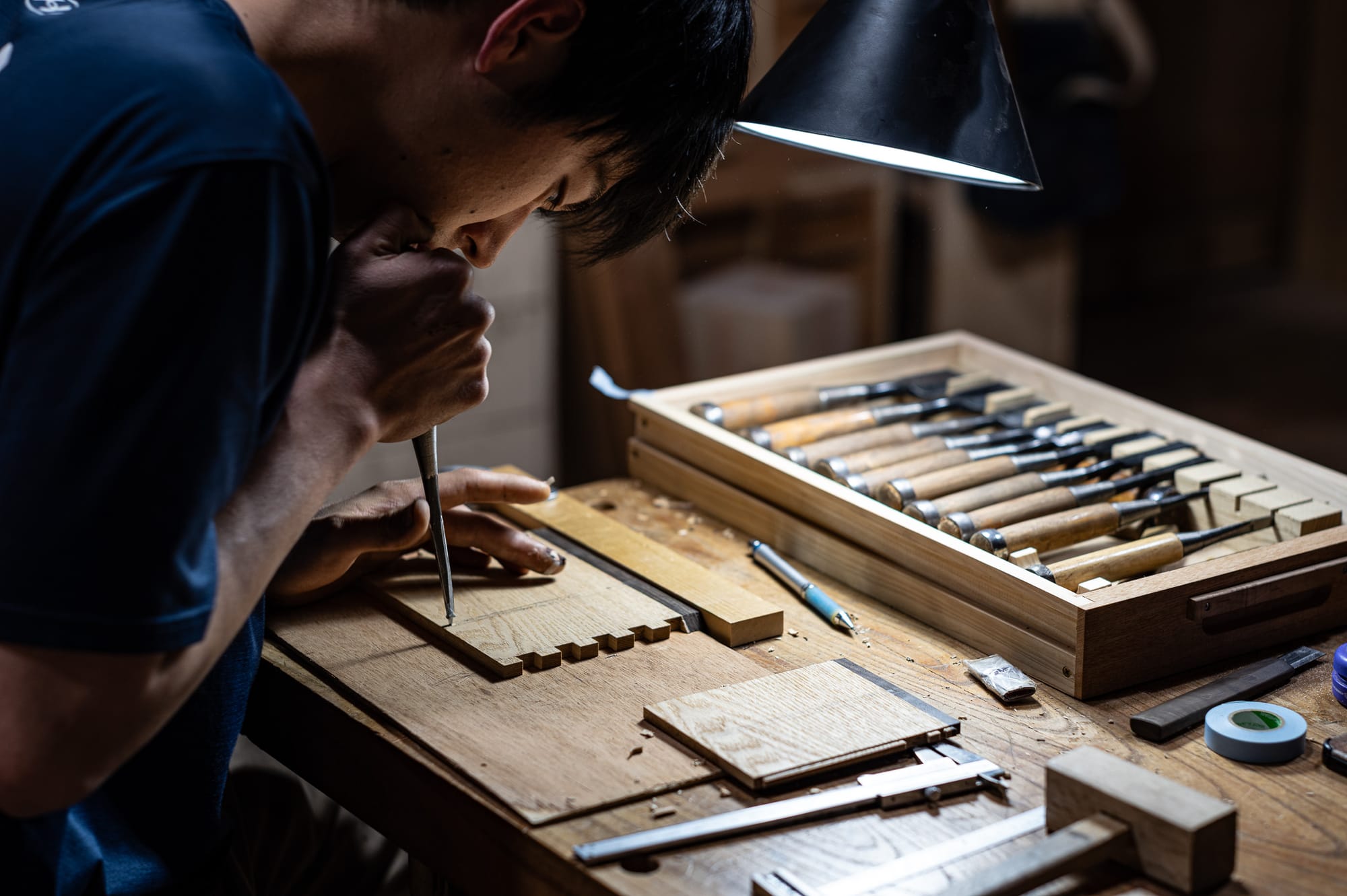
Also, using tools that are less than the “best” plays an important role in the lifecycle of perpetual craft. A young craftsperson will not know how to set up or use tools well, and so cheaper, less precious tools are appropriate for them. In practice, a person just learning benefits greatly from using lower-quality tools, because they not only sharpen more often, but also become more sensitive to a tool that may chip more easily if used carelessly. By using a higher-end tool that might feel invincible, a craftsperson’s technique might never need to develop further because the tool would act like a crutch.

Furthermore, if we, as a community, focused only on buying the greatest tools and didn’t support young blacksmiths in their early work, how would they afford to eat and live so they could become tomorrow’s masters? Often, young smiths, dealers, and craftspeople come up in the world together, generationally, and by the time they know it, they are masters themselves, having supported each other’s work through decades of patronage.
Knowing all this, it becomes difficult to judge any tool harshly, if it was made with some care, to the extent of the smith’s ability.
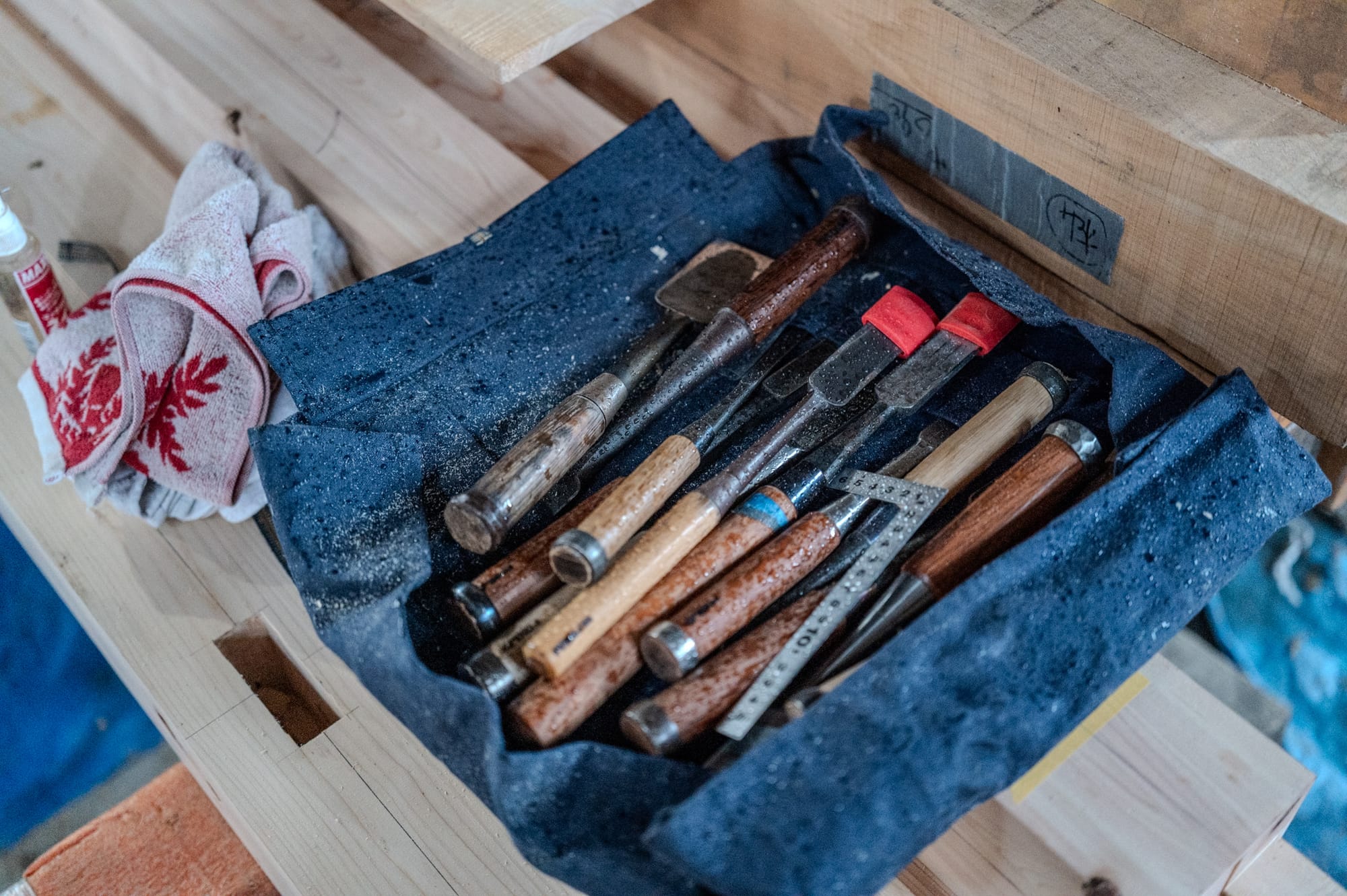
The biggest benefit to shedding this judgment doesn’t come to those around us, who are surely hardened to such criticism as they get older and wiser. It comes to benefit the person judging tools, most of all, as that form of thinking is directed inwards while they themselves are learning their craft and are due to make mistakes with as much grace and learning as possible. Someone trying to be something or make something, stumbling along the way, could have nothing like judgment for others in a similar position while making tools.
Craft is, in many ways, a gateway to erasing this dichotomy of best and worst in our minds. Not out of some false repression of judgment, but of understanding and a long-term view of how the world works. This perspective arises naturally over time in a craftsperson because without it, it’s very hard to make thousands of mistakes in order to improve without quitting.
In the end, all these tools should just be used. They’re made by craftspeople, after all. And all craftspeople just want to make things that help people do or feel something. In the end, no craftsperson would really judge another craftsperson for anything but their sense of care and effort for the people and things around them. Even in that, there is an easy way to understand why that care is missing, at times.
But still, a beginner needs to buy something. And even if it is not the most limiting factor, one of my teachers, Tak Yoshino, has said, " Good tools are necessary to do good work."
For most modern people, they will soon realize and become terrified that they can not reliably Google or AI their way to a good answer here, because that knowledge is diluted or distorted at best, in digital form. Traditionally, the answer is very easy.
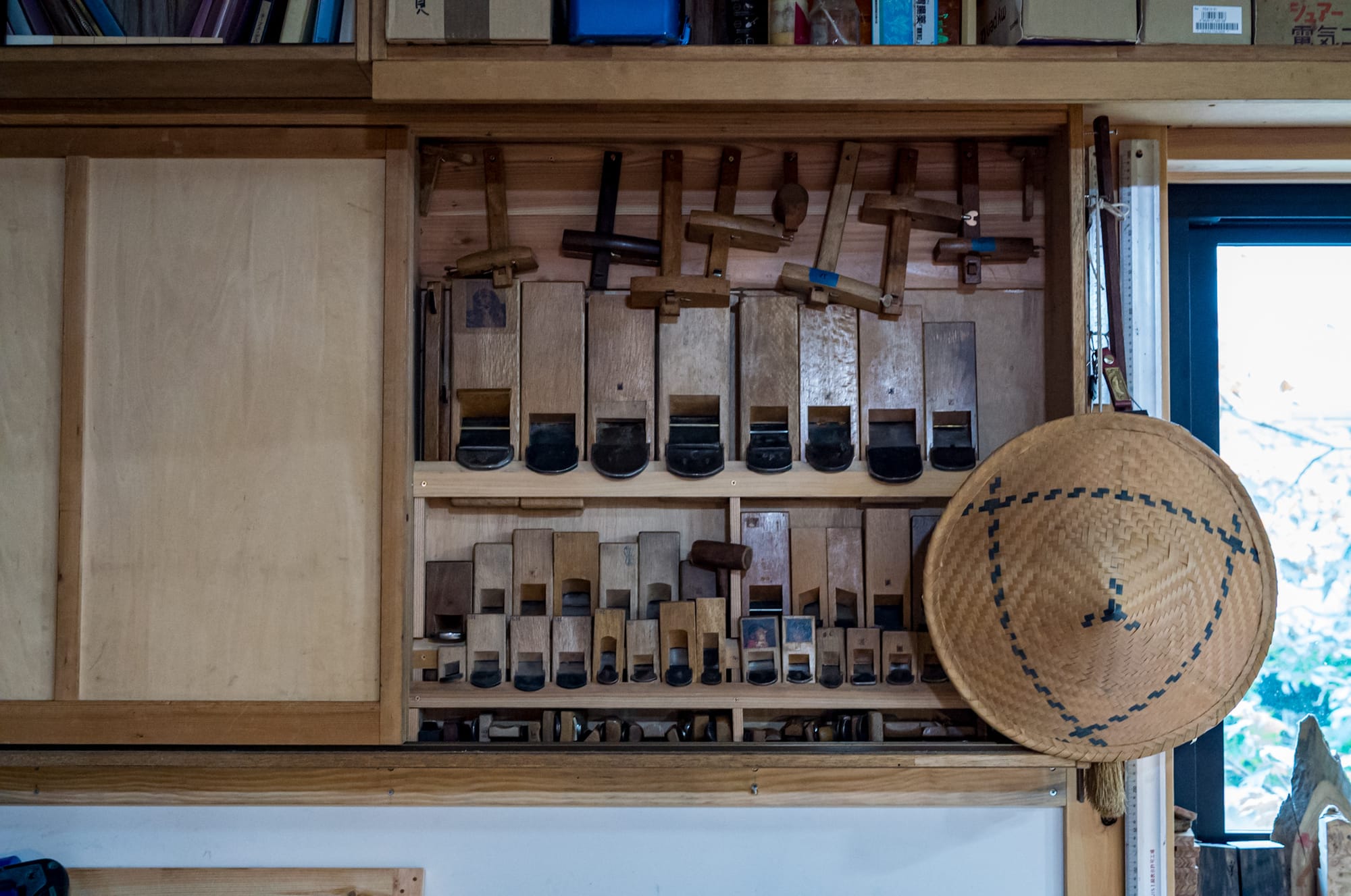
You talk to your senpai, teachers, and bosses, and you look around to see what others are using. You can ask your dealer for a recommendation, if they are a good and honest dealer. Maybe they are just your local dealer, and not the cheapest or the one who stocks the finest tools, which very few of us could even use properly anyhow. In a way, your only job is to choose by trusting the right teachers, dealers, and smiths. There are many smiths who make usable tools, and they all are the best smith with the best tools, if they are accessible to you. At least in the context of average builders like myself.
In the moment, when my focus is pointed like a spear over a buy button, I like to ask myself two questions: am I buying better tools because of an inherent doubt of my own ability? Or because I am skilled enough that a better tool would aid my enjoyment and quality of craft? Or because I just like very nice things?
Who knows.
But in this style of work, we are being taught a lesson about what really matters when wood and steel connect. When I pay attention to that, the original question kind of fades away.
Subscribe