The images in this post will look better in a browser.
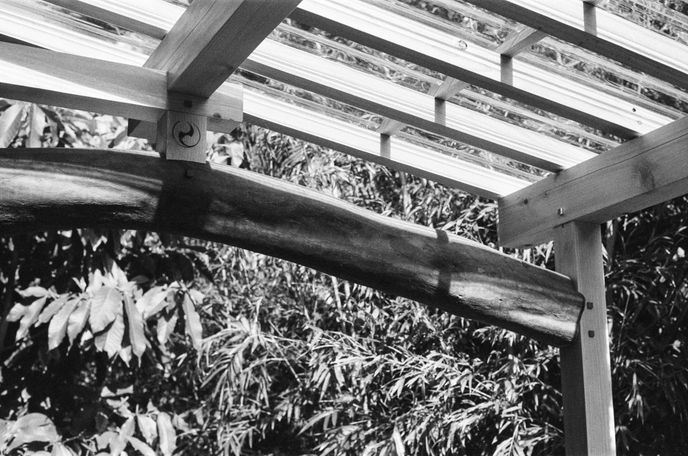
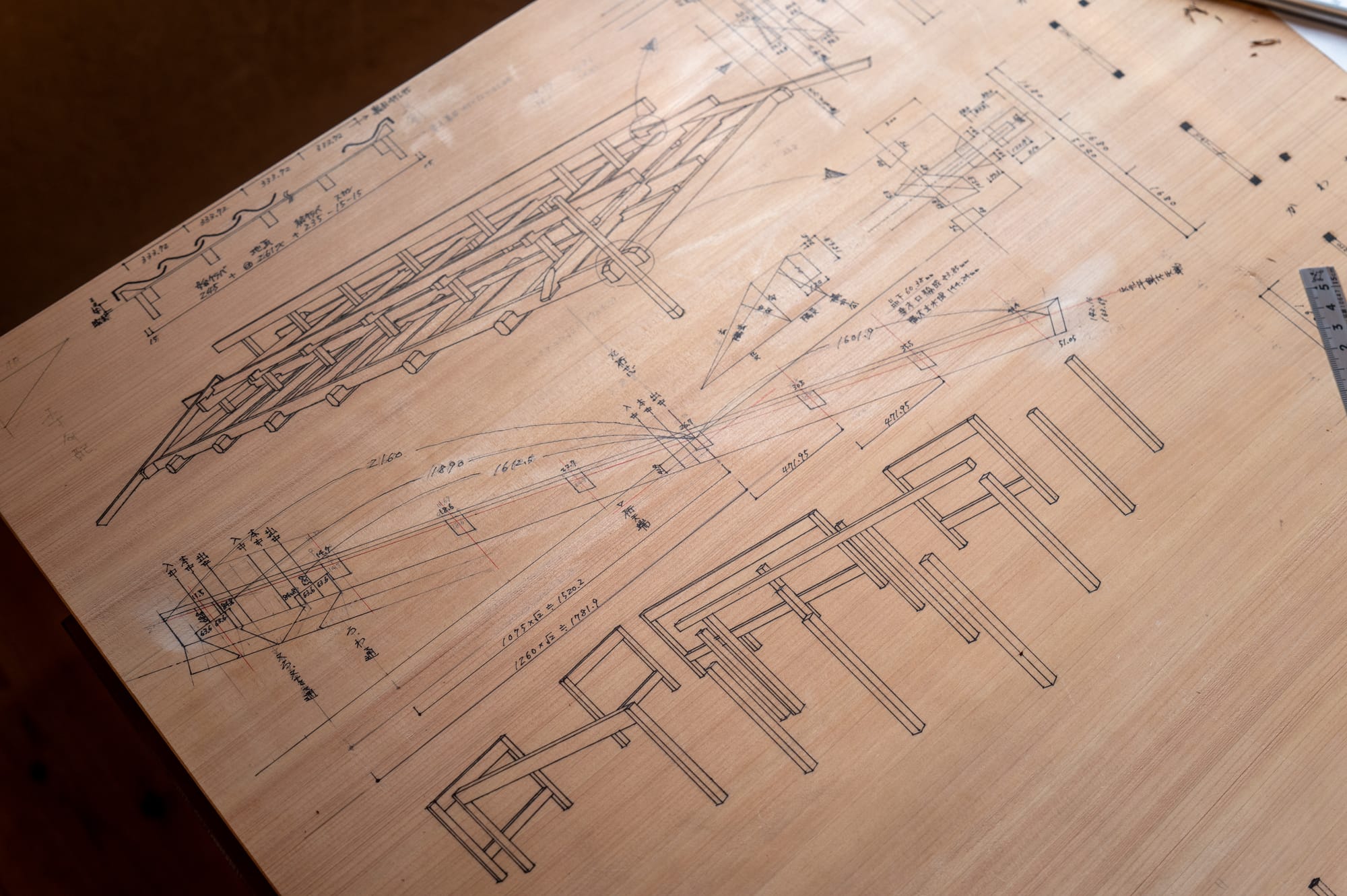
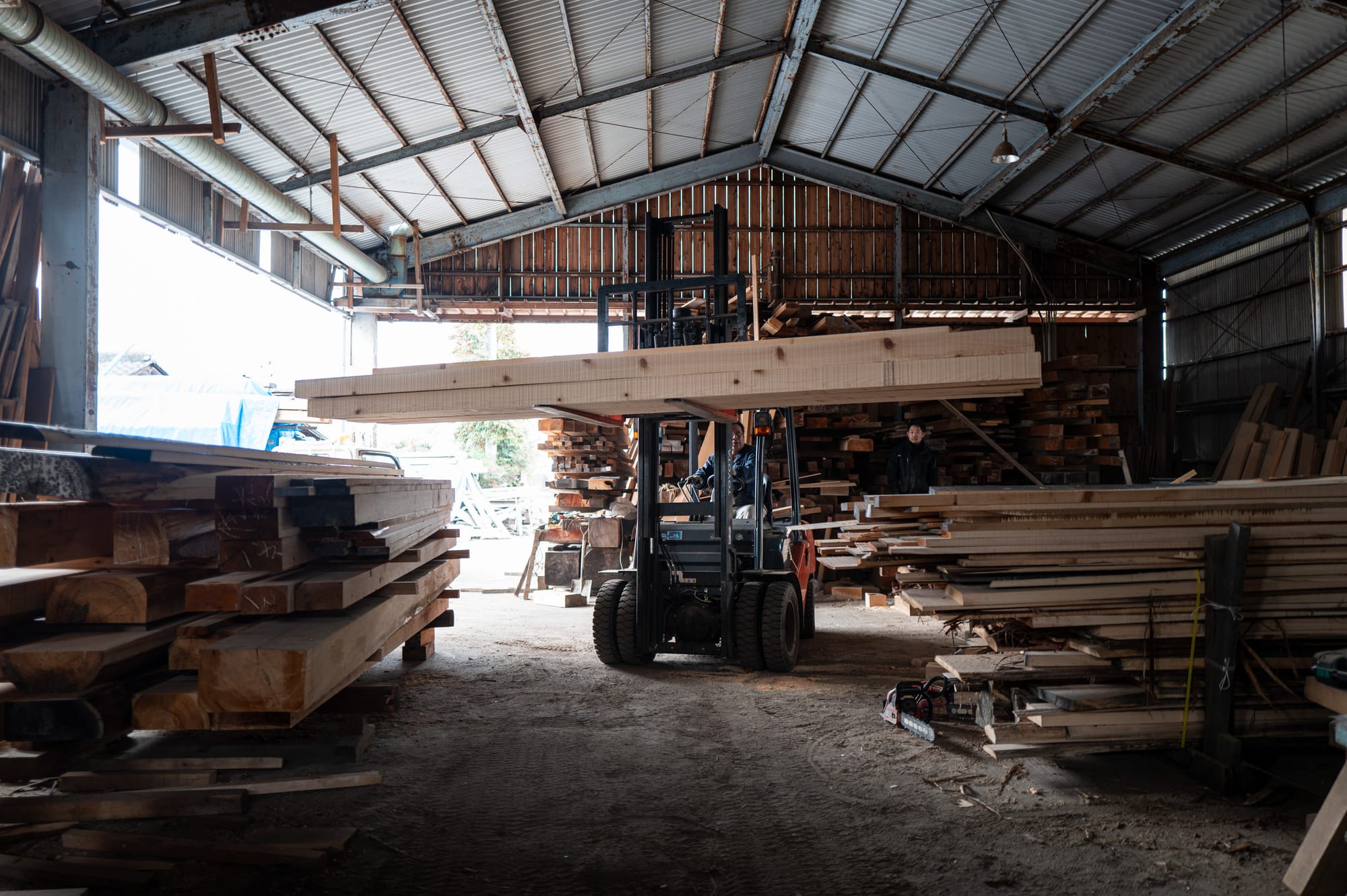
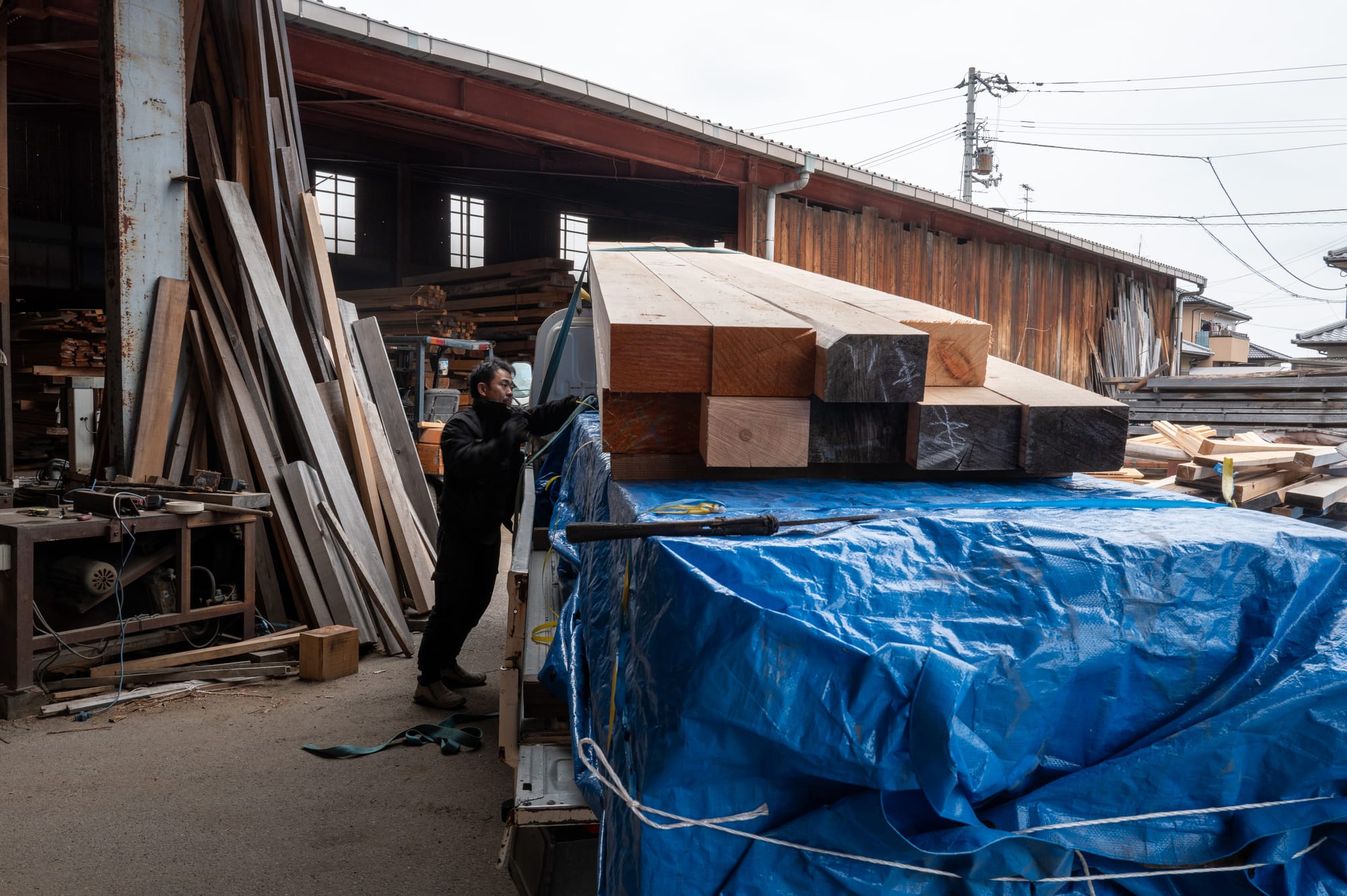
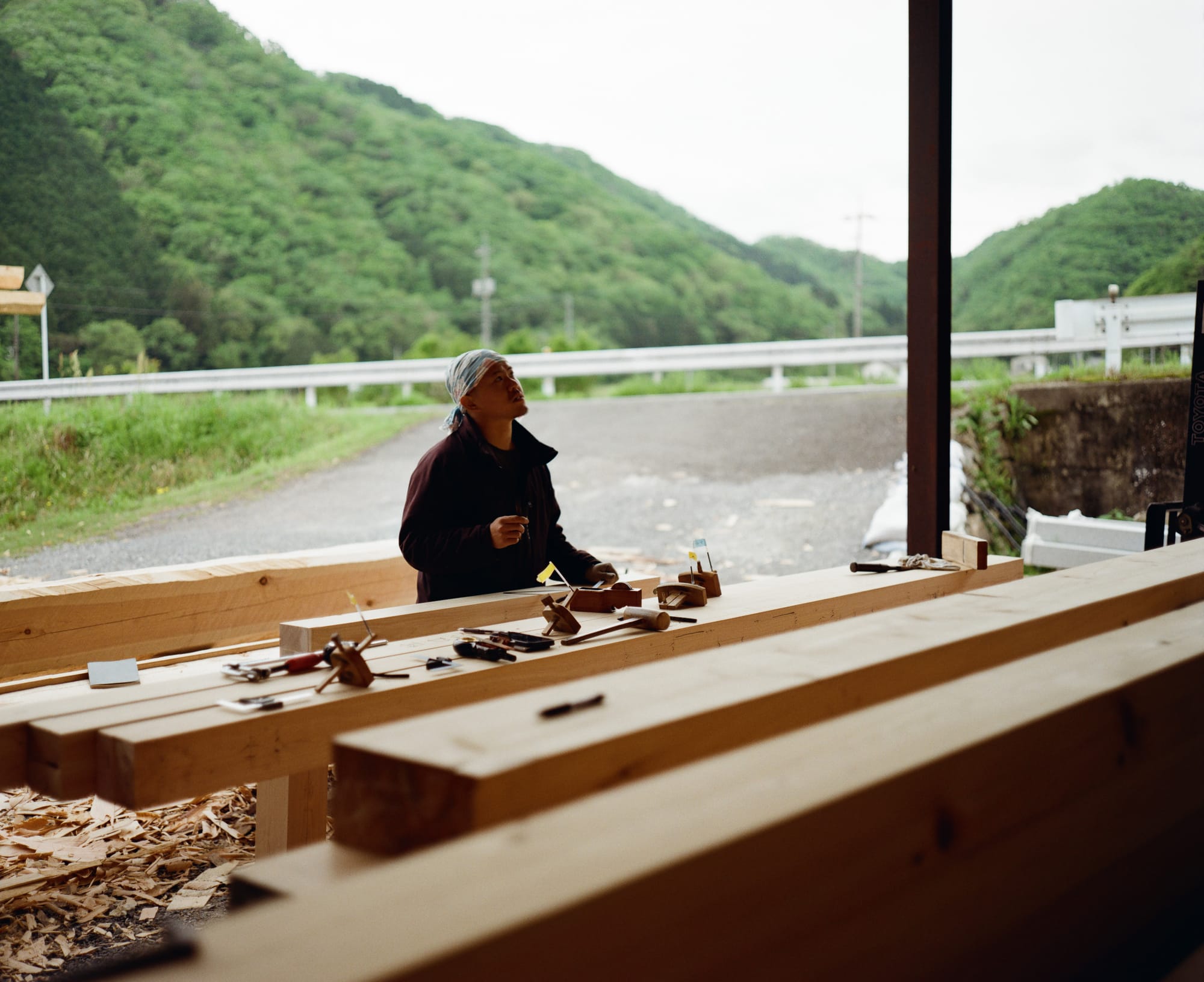
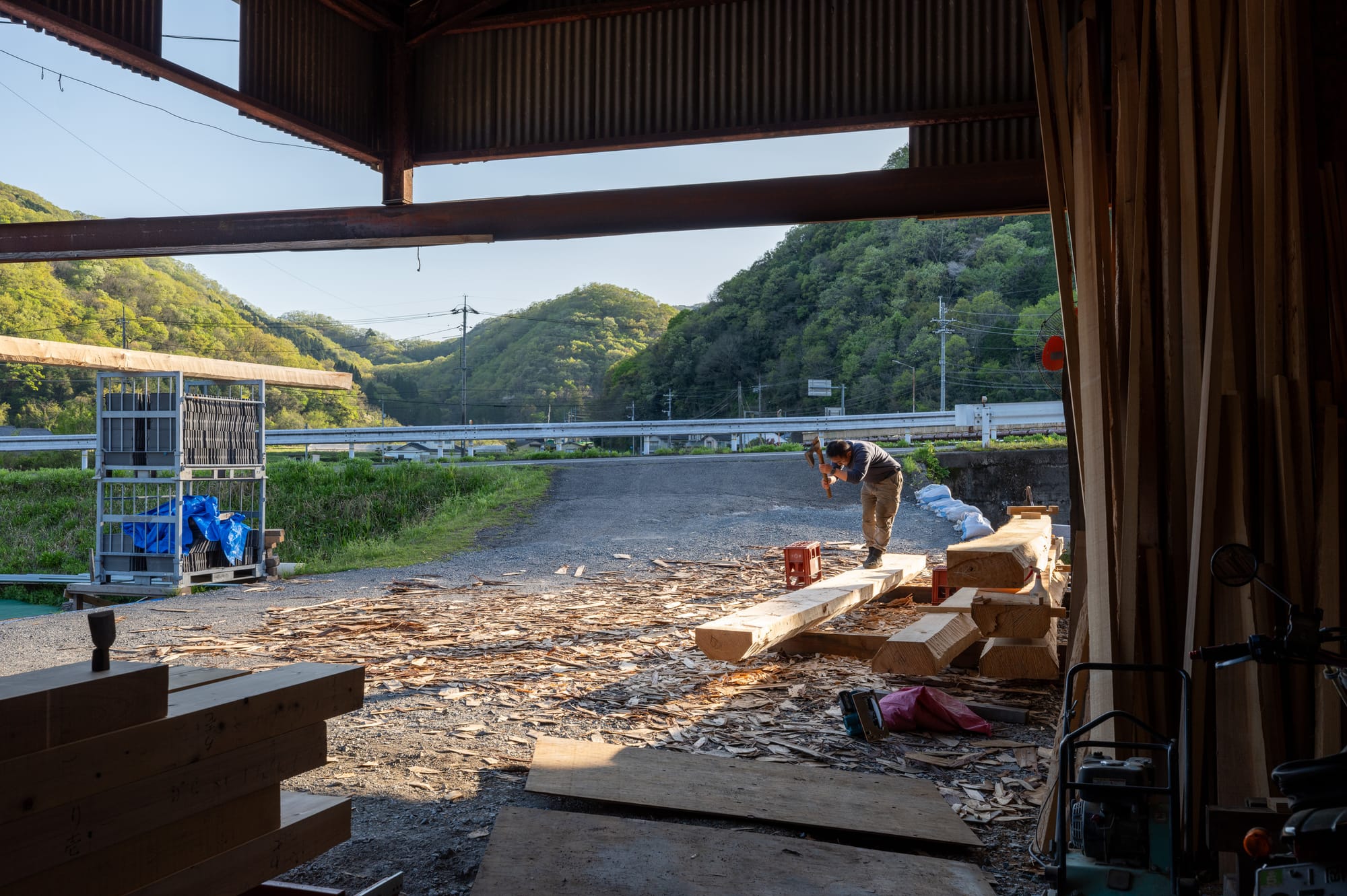
We had to admit to ourselves that, in some areas, Chozen-ji needs to be burnt down. That's why the Honolulu Zen Temple and Somakosha are replacing a building with a Japanese-style timber frame, fresh from Japan.

When you turn into Chozen-ji Zen Temple, deep into the back of the valley, the first building you might see is an old shed.
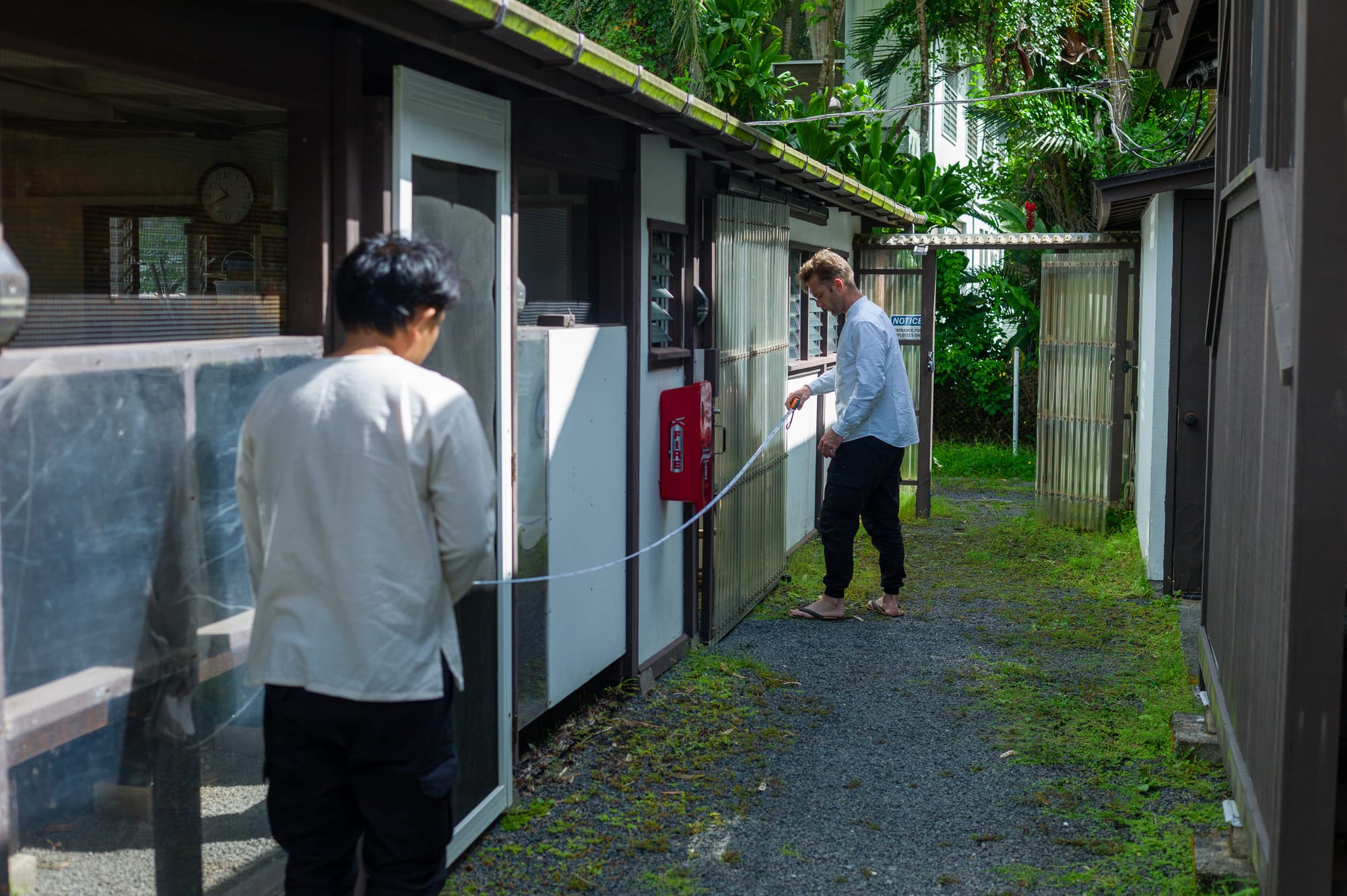
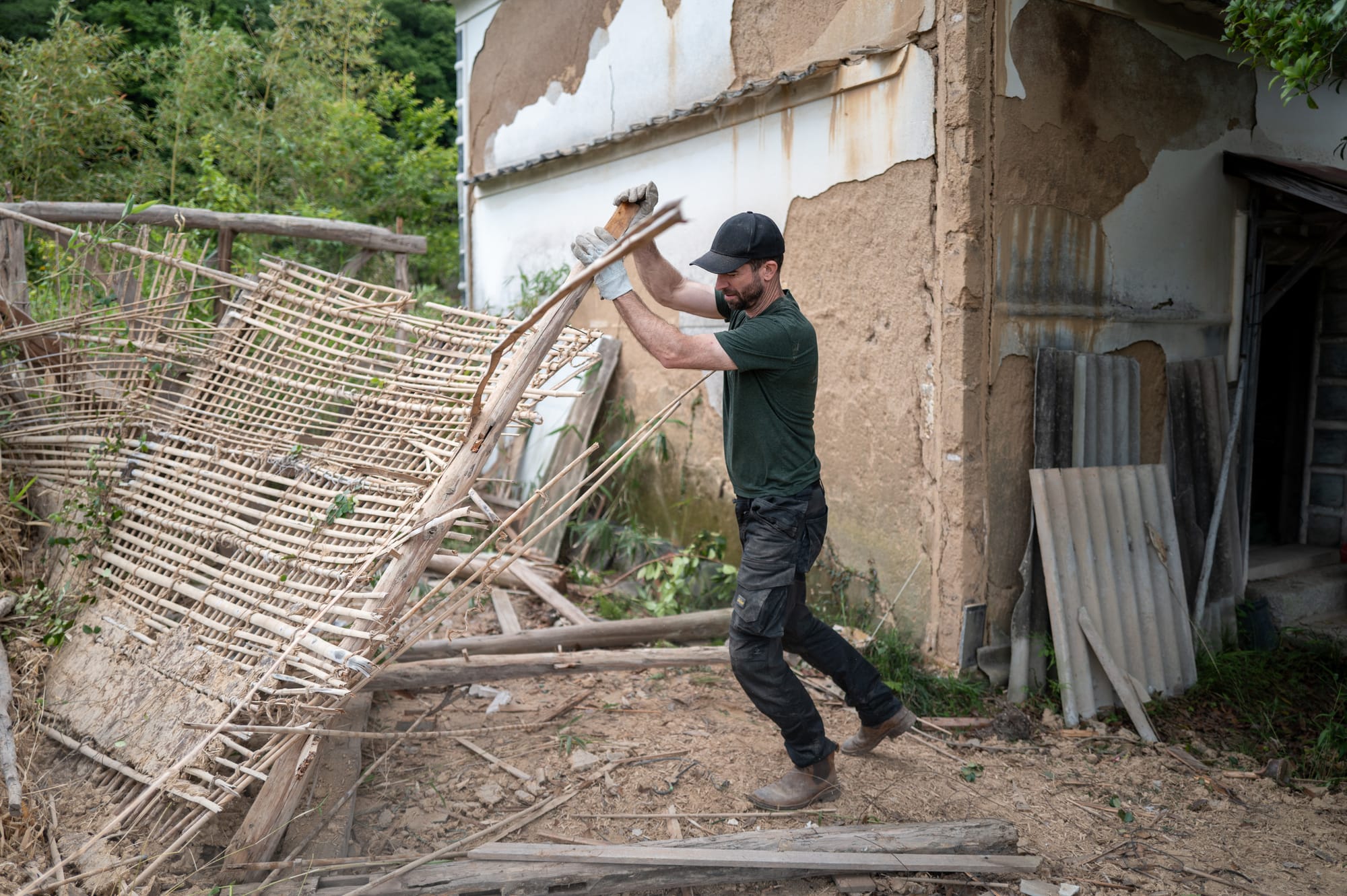
The building is not attractive. Doors are mounted upside down and are made from scraps of wood, plexiglass and chicken wire mesh screens. There is no floor. Originally built by members of the temple, it was the right tool at the time. It used to be a sort of smoking room, lunch spot, and place to arrange flowers.
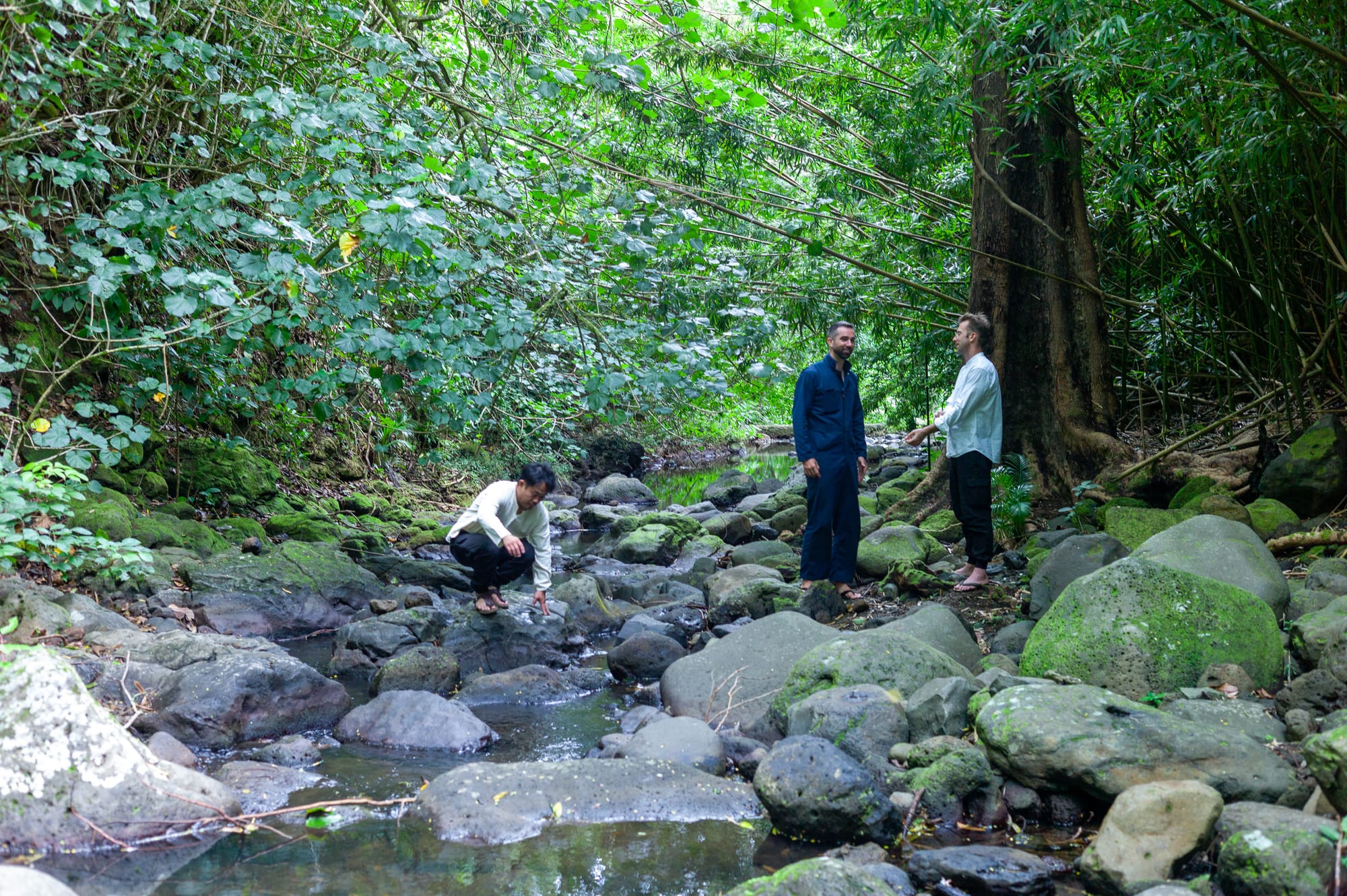
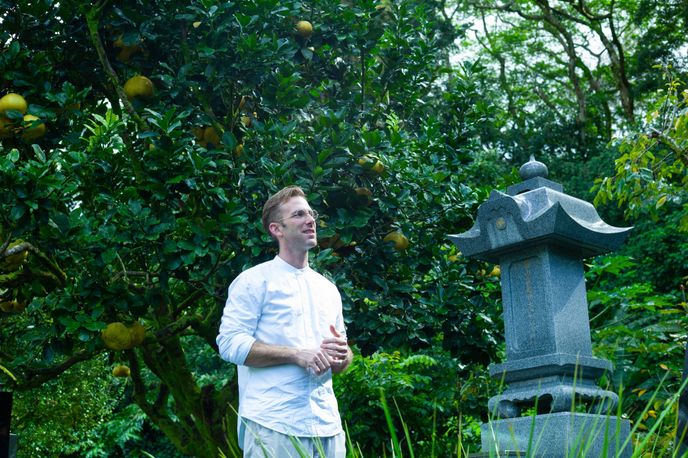
Michael, abbot at Chozen-ji, and architect said, "It was probably supposed to be a temporary building. Telephone poles in the ground; a low-slope roof. Originally, it was open-air but slowly got closed in. "
These days, it's mostly used for kado (flower arranging) and shodo (calligraphy). It's hard to believe such beautiful things are made in such a humble space.
Over the last few months, as we've thought about the project, we've wondered whether it matters what kind of building we practice in. People can meditate anywhere: in caves, under trees, on rocks. It doesn't have to be a comfortable or calm space, let alone a beautiful one, contrary to popular culture. Michael has wondered, "Can a building teach Zen?"
I don't know the answer, of course. But who can deny that a place has energy, and that energy is contagious? And that energy matters, possibly above all else, when it comes to living and working well.
So, for many reasons, it's time to tear it down.
Michael says, of the project, "At Chozen-ji, the spirit of the training is to sometimes just do crazy things and push the limits of what's possible. This project aligns well with this mission. There are risks. There are challenging logistics. There is no road map to follow. But there is a deep alignment of people and spirit, and that is the most important part of the recipe for breaking new ground, quite literally."
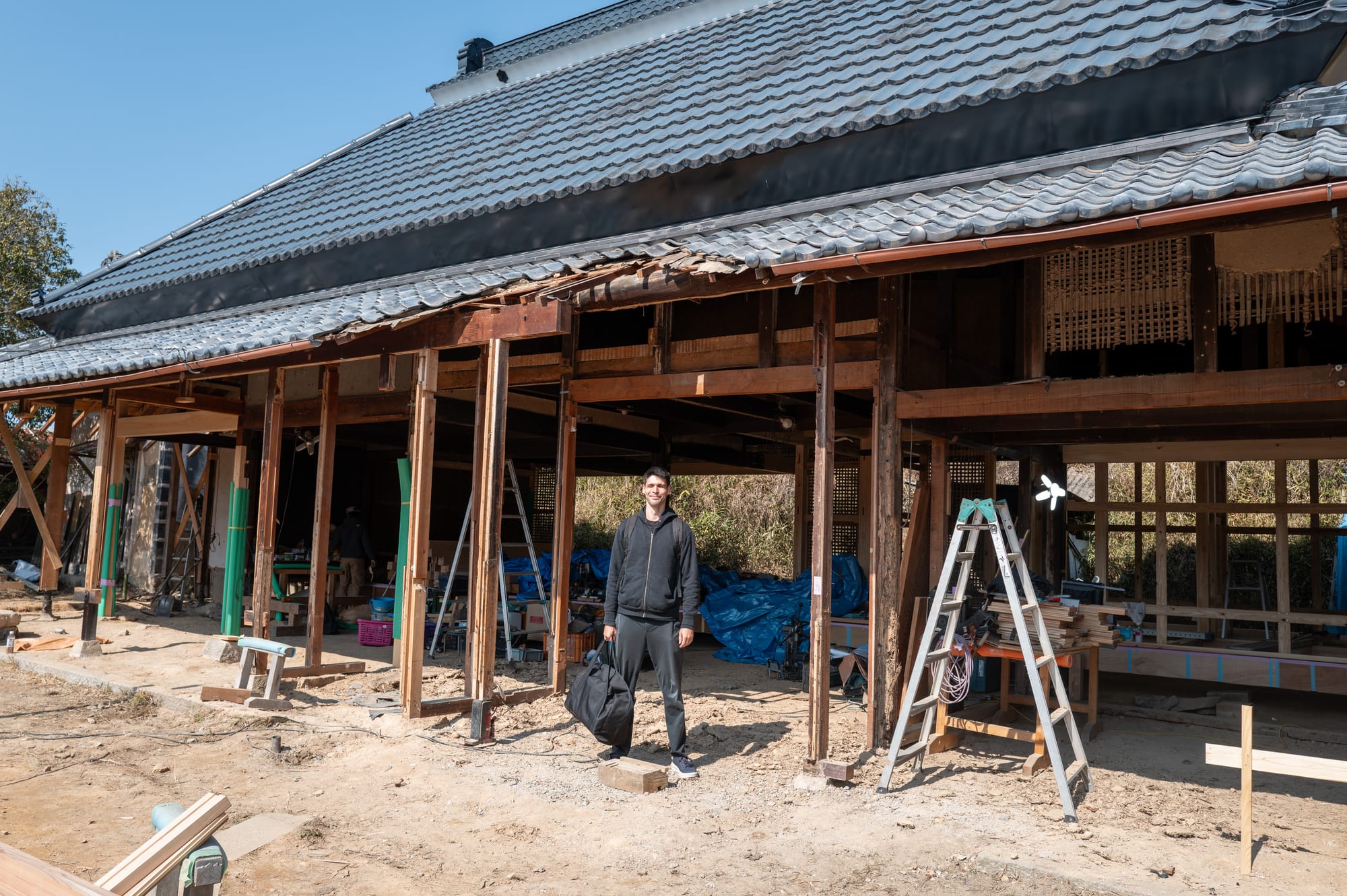
I have many feelings about this project, as it has been a personal dream of mine for quite a while.
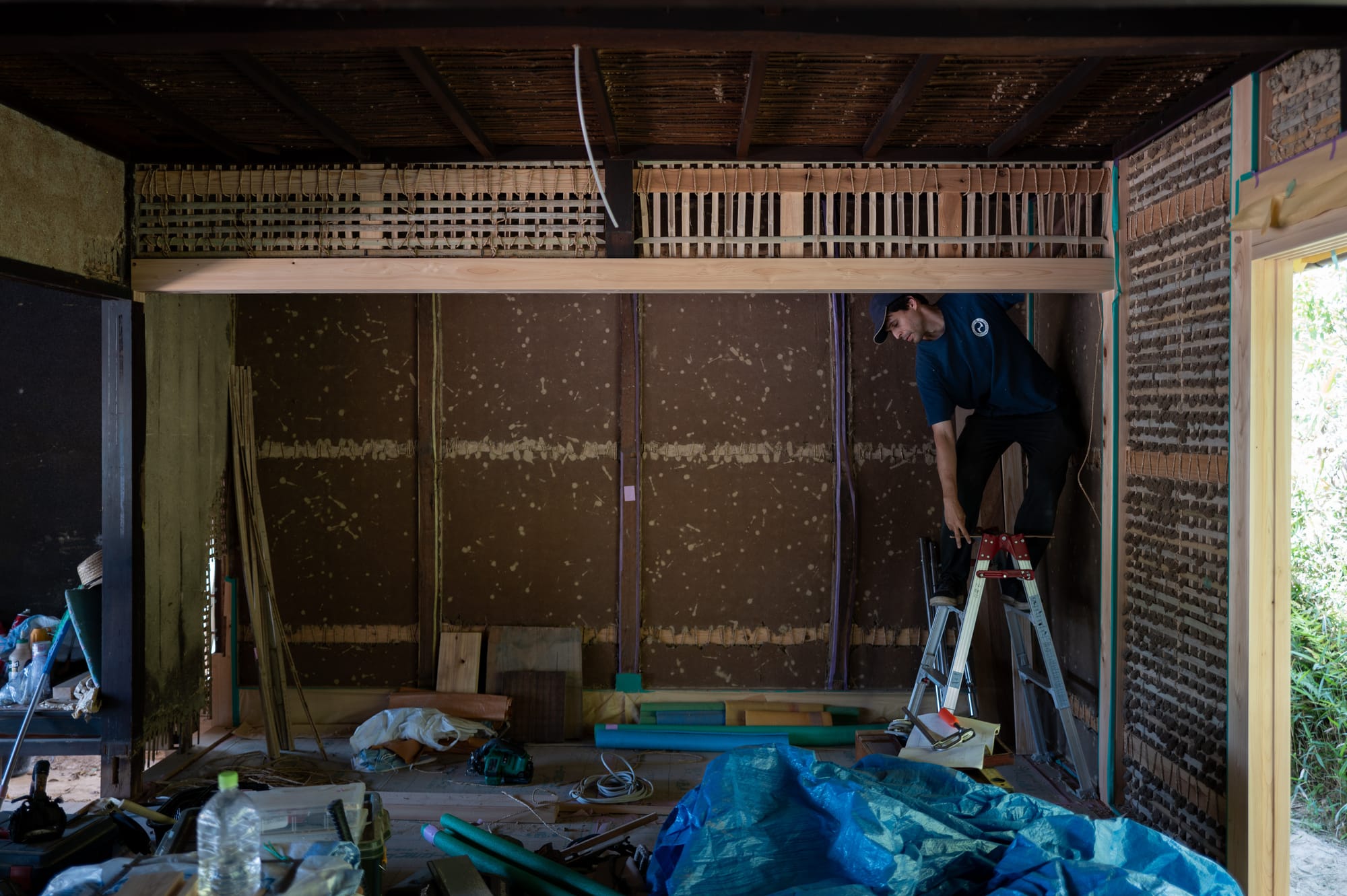
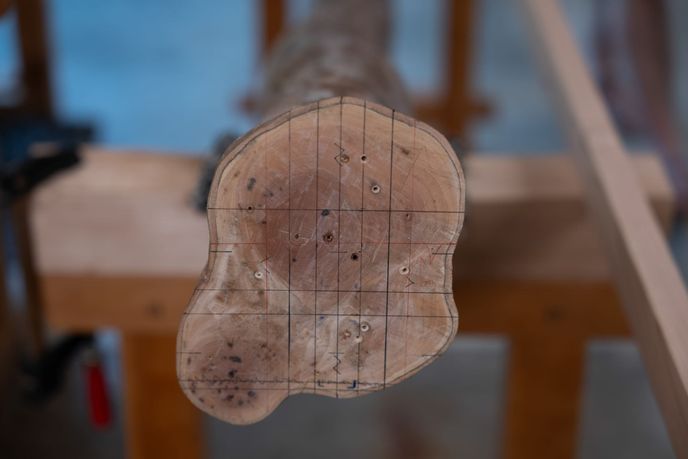
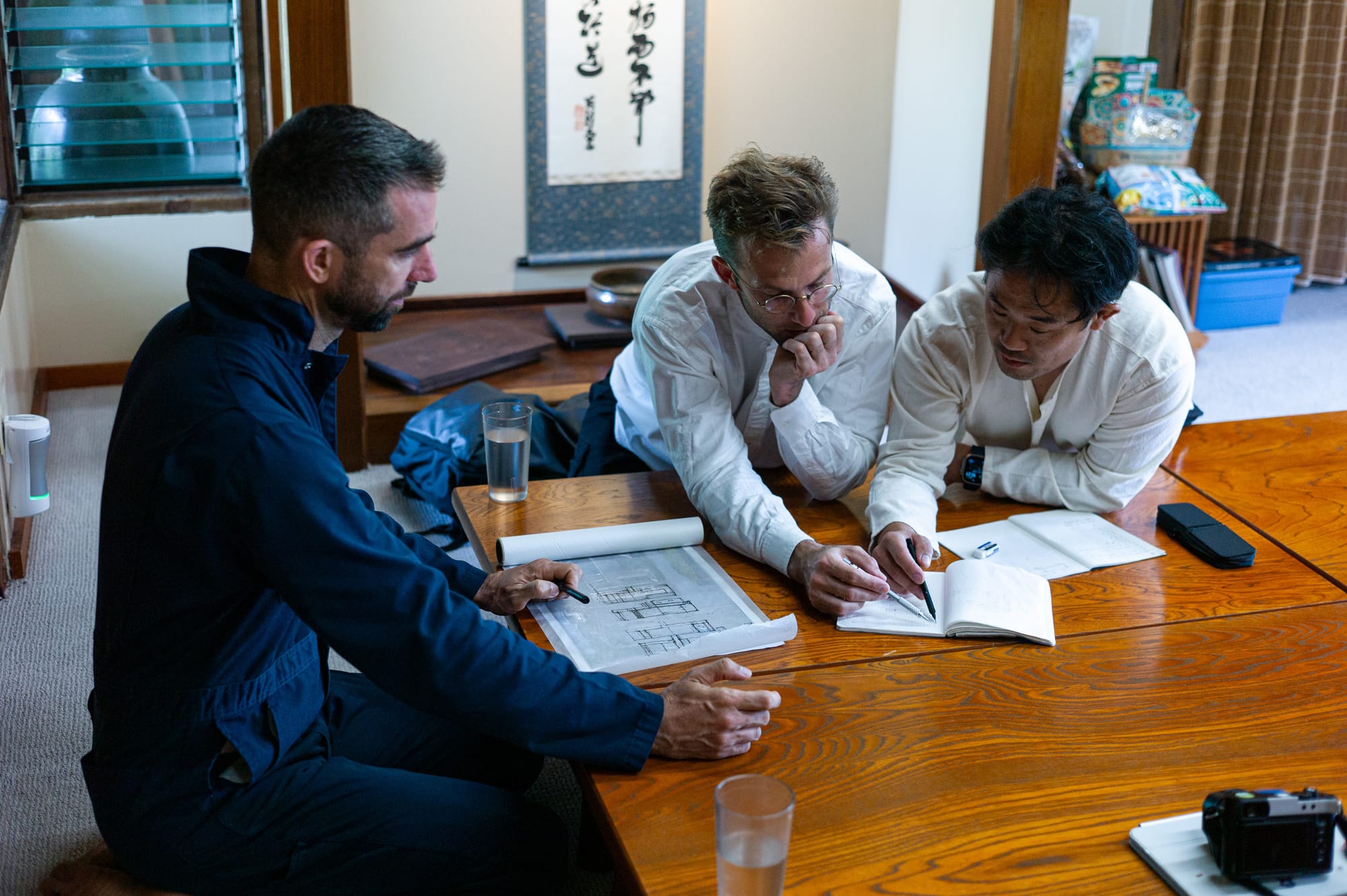
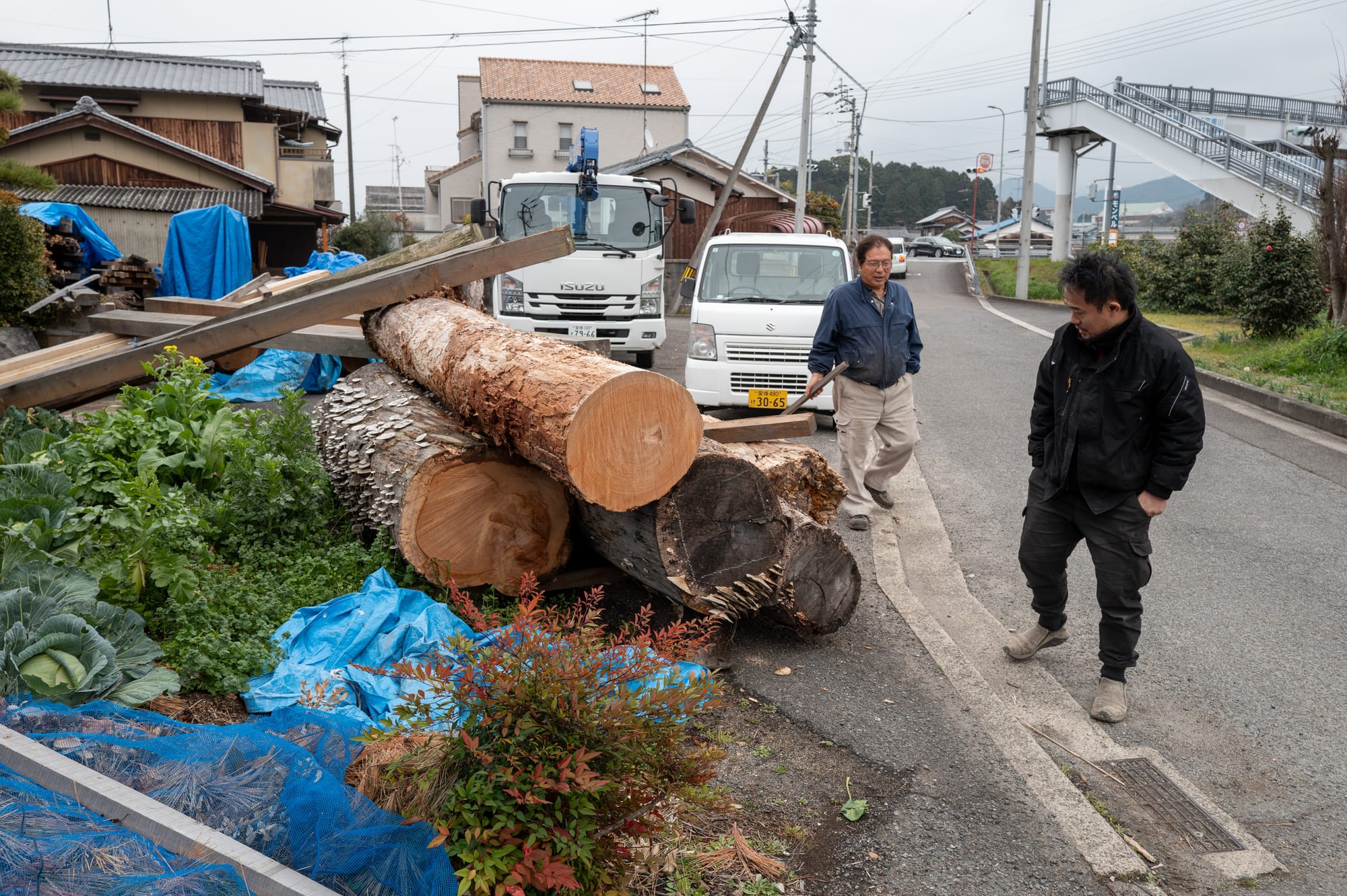
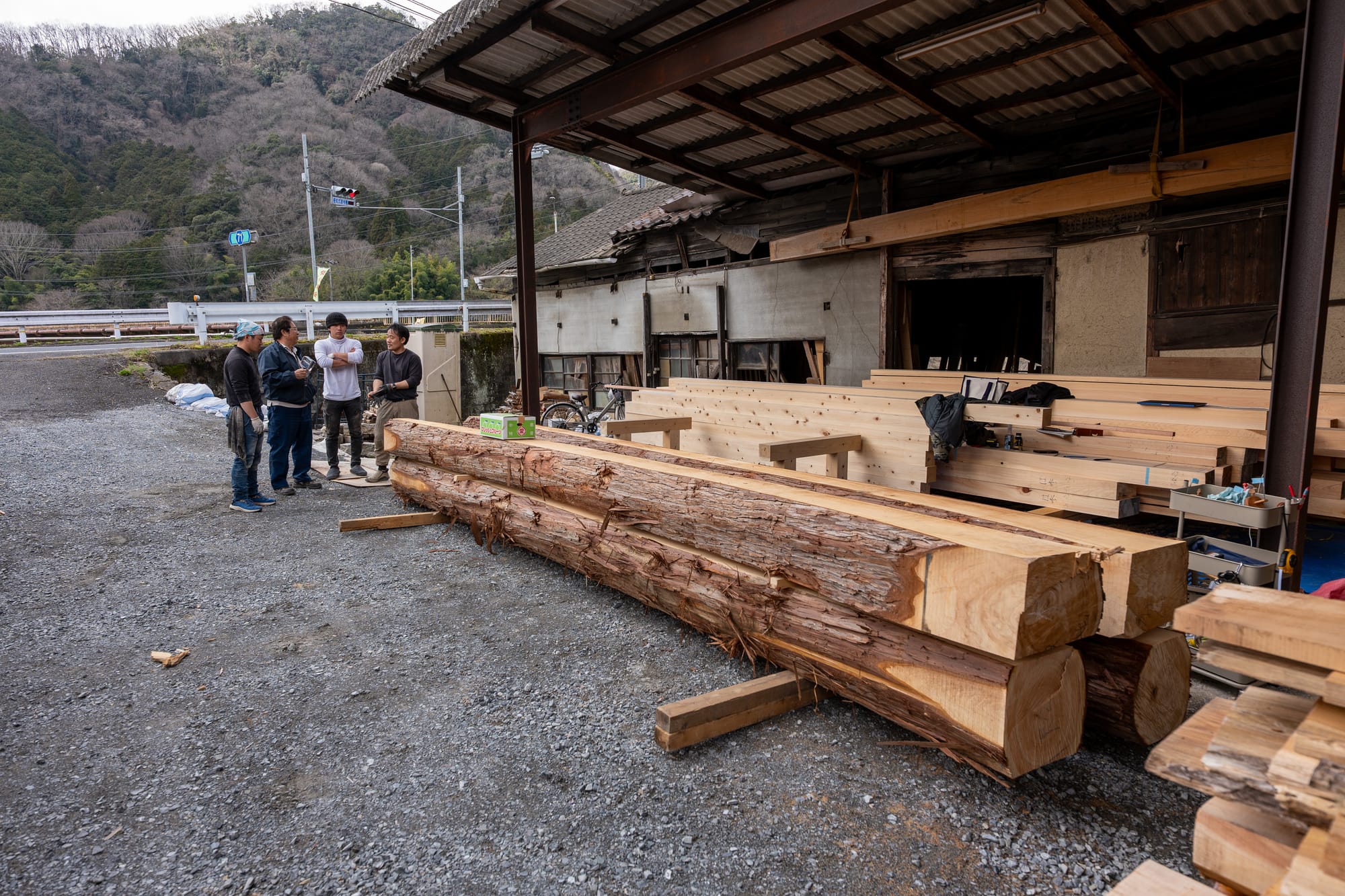
Nine years ago, I met my first carpenter in Japan. About three years ago, I met Yama-san, one of my bosses now, at a workshop in Idaho. Two years ago, I visited Chozen-Ji temple, and thought to myself that Japanese timber frames could replace some of the older buildings. Last Spring, Chozen-ji hosted a Zen and Carpentry class with former Somakosha apprentice Jason Fox. Last April, I mentioned to Yama-san at Kez that there might possibly be a fun job in Honolulu at a Zen temple. Last Fall, Somakosha came to Honolulu to take measurements for a building on the temple grounds. This Spring, logs, beams, and posts were gathered, hewn, and marked out. In March, Eric, a priest from Chozen ji, came out with some of the other members of the temple to help work and cut at Somakosha. This Summer, the frame will be cut and loaded into a container destined for Honolulu.
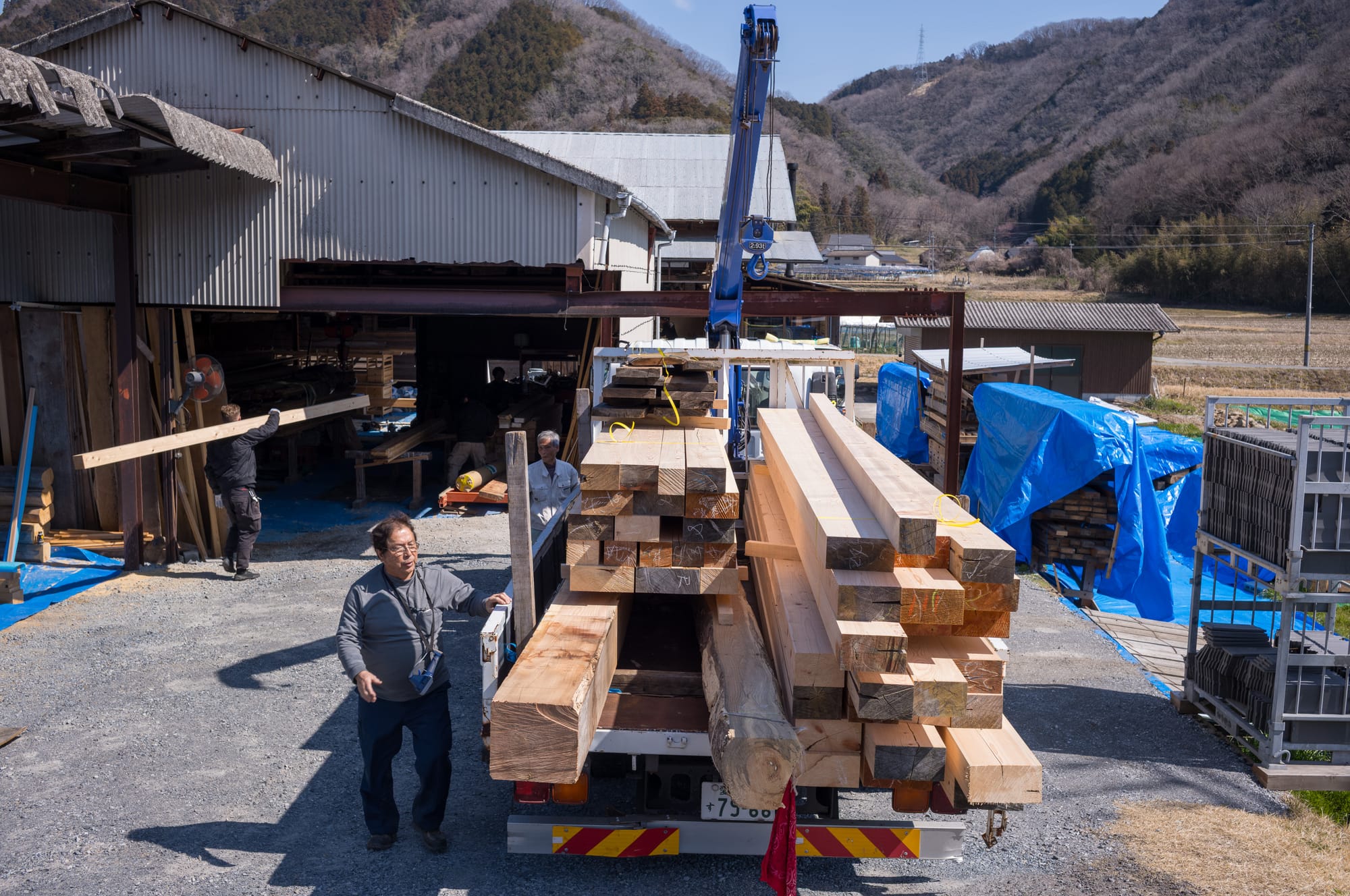
This project also means that even as my time in Japan ends, my experience with Japanese timber framing will continue.
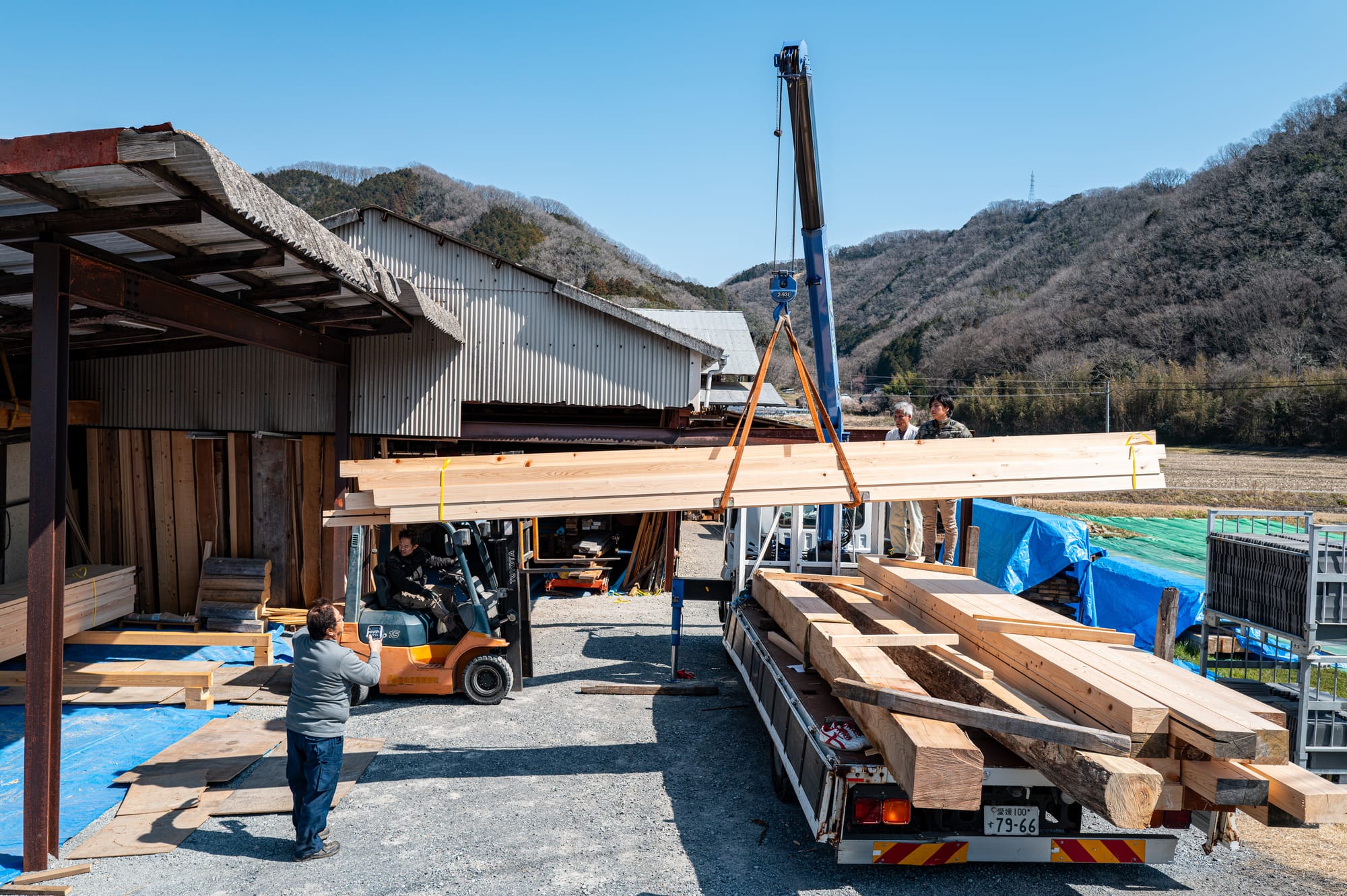
Building Japanese frames abroad is hard even under the best conditions. And Honolulu, one of the most remote places in the world, is exceptionally difficult to build in, given the quality, availability, and cost of labor and materials. It won't be easy.
To help with the effort, the temple is fundraising for this new building. Please donate if you can.
Also, if you subscribe, I will donate 100% of all new Summer Paklan subscriptions to the project through the end of the year.
Subscribe