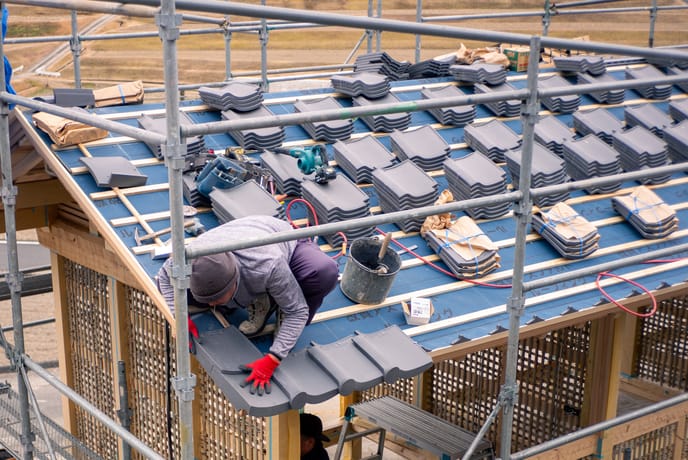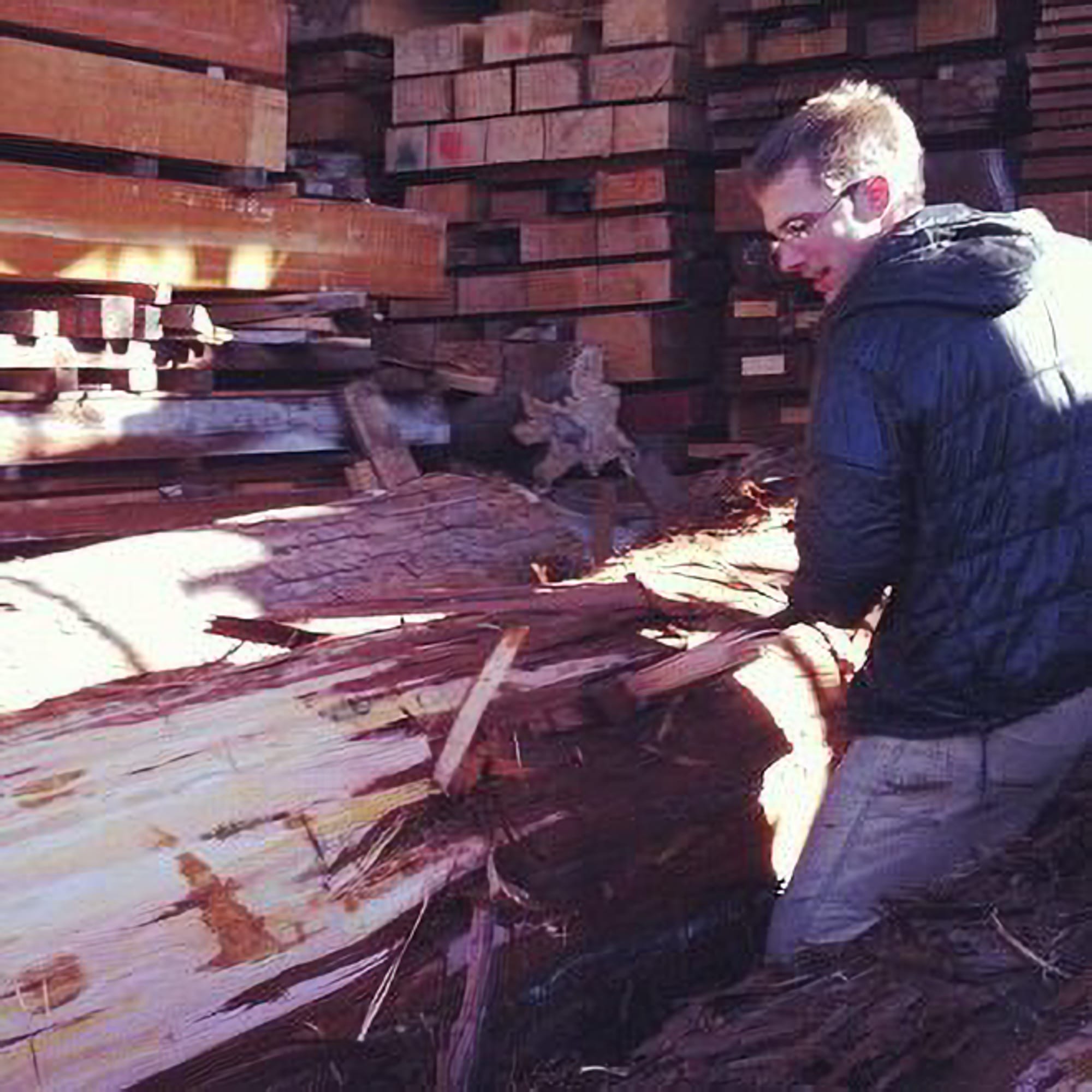
I can't stop thinking about cleaning. Last week, I watched a remarkable young carpenter—Ayumi-chan, the son of another carpenter—transform a room absolutely trashed from a full day of milling beams until no trace of woodchips were left. Somehow he worked quickly but didn't seem rushed.
My realization was this: how can I expect to be able to build a house, let alone a temple or tea house, if I cannot clean up well?
Last year, I spoke to a successful Parisian woodworker and artist about his interview at a Japanese carpentry firm. He said that he declined to continue his request for a job with the firm after he was told he would mostly be cleaning at first. He said he was too experienced to travel to Japan from France just to clean. I understand his point of view. But now I see the cleaning as a worthy contribution in a greater team effort. But also, the most important first step in anyone's training.
If you can notice dust, you can notice a lot. If you can clean all the dust, you can possibly have a chance to cut cleanly. Let's say you gave a new apprentice lessons on cutting and put him in front of work pieces right away. Robbing an apprentice of the chance to develop this sensitivity and skill would rob them of the skills they would need to cut well. And the time to develop their own skills after hours, which puts the entirety of his opportunity to progress in his own hands.
I realized that in the NYTimes article about Somakosha, Jon only glossed over what it was like to be an apprentice. Jon and I sat outside the new Somakosha school frames and had a wandering talk about the culture of apprenticeships and what the experience and expectations were of an apprentice. Here are some excerpts from our conversation:
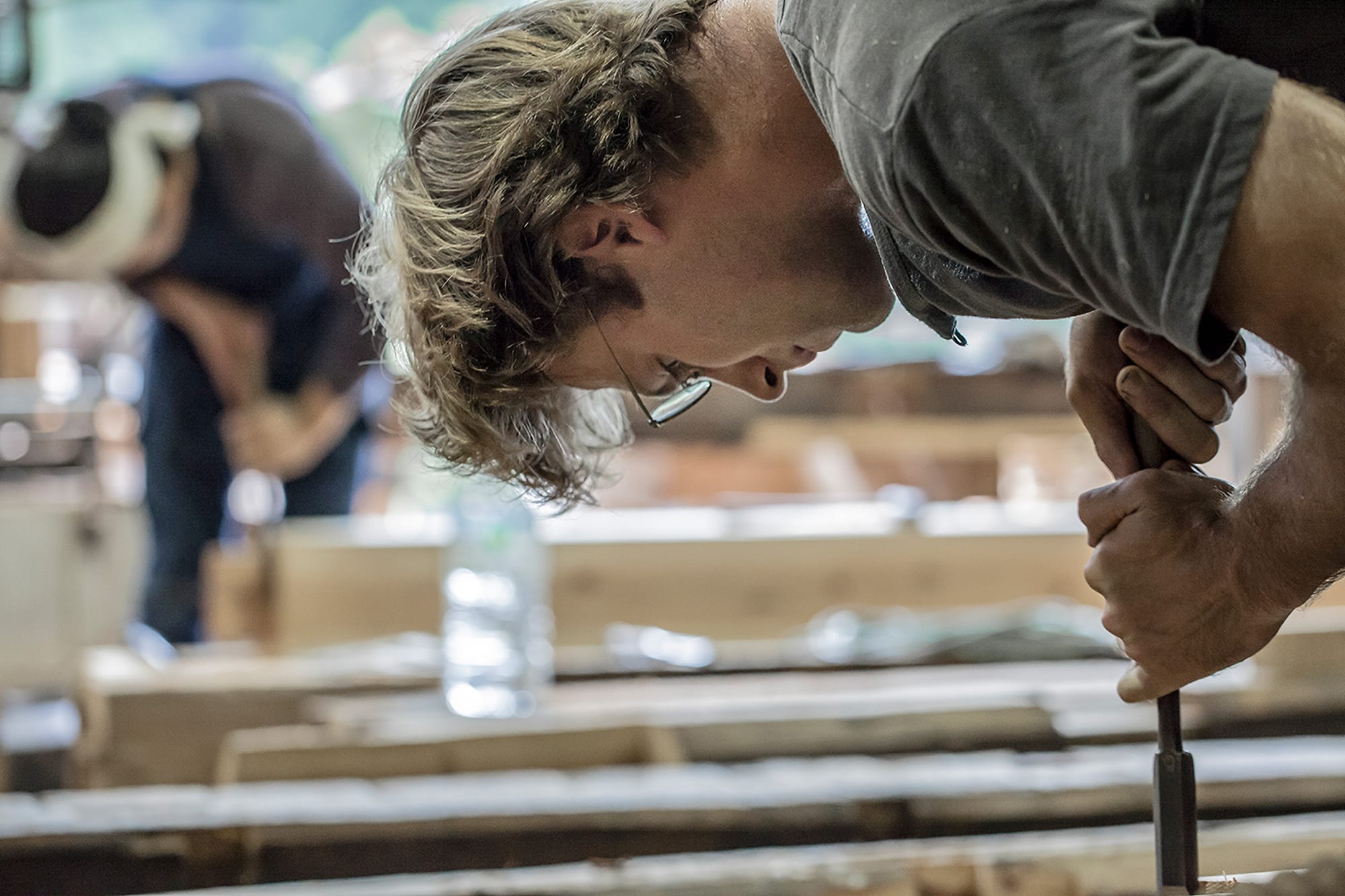
Where I was, there were typically ten apprentices at any one time. Right before I started, there was a massive wave—one year they took four people, so they had more than ten at once.
The apprenticeship was typically five years. Mine was only three, because that was the extent of the visa I could get. But it was a five-year promise, and typically with at least a one-year deshi boko—once you've finally finished your apprenticeship, the idea is that you stay on for another year so you can make a contribution back to the company.
For the first four years, most apprentices didn't really do anything.
In the morning we woke up and went to our boss's garden. We cleaned it for about thirty minutes. We refilled all the tsukubai, the stone vessels for water. You take all that water and throw it all over the garden, then fill it back up—you're watering while cleaning. But a big part of that was wiping down everything. All the outside of the building.
That was a part of learning the different woods. Cedar and cypress and pine. Japanese pine and other pines. Cedar from America and cedar from Japan. The wood grain and where each was used. And more and more, you start to see how stuff goes together. You start to see the little details. Because every single day you go to the same house and wipe down the entire thing.
You did it until you were bored, and then you started to randomly see things that you wouldn't have seen before, because you're looking past all the stuff you've already seen.
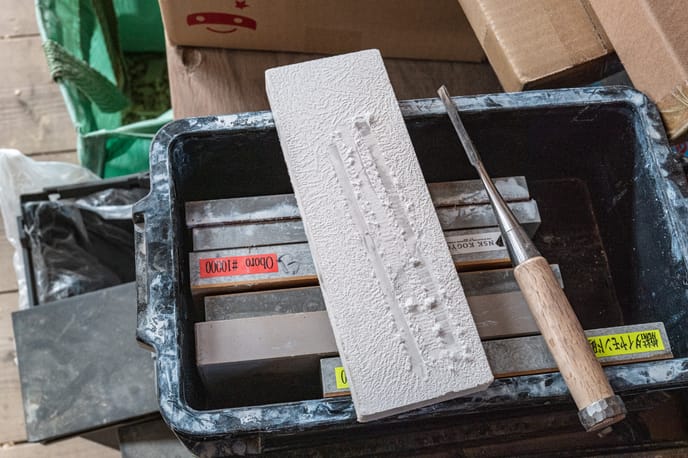
That was every single morning, for thirty to forty-five minutes. Then we went to the shop. We cleaned and prepared it for all the craftspeople. That was like an hour of your time before anybody else arrived. Open everything up, turn all the lights on, get all the sharpening stations ready—new water, fresh everything, clean everything.
All day long, you were basically just support. In the morning you get tea ready for all the people going to site. You get all this stuff ready for the craftspeople so their work is smoother. They don't have to do or worry about this or the other thing.
Your whole life was making life easier for those guys.
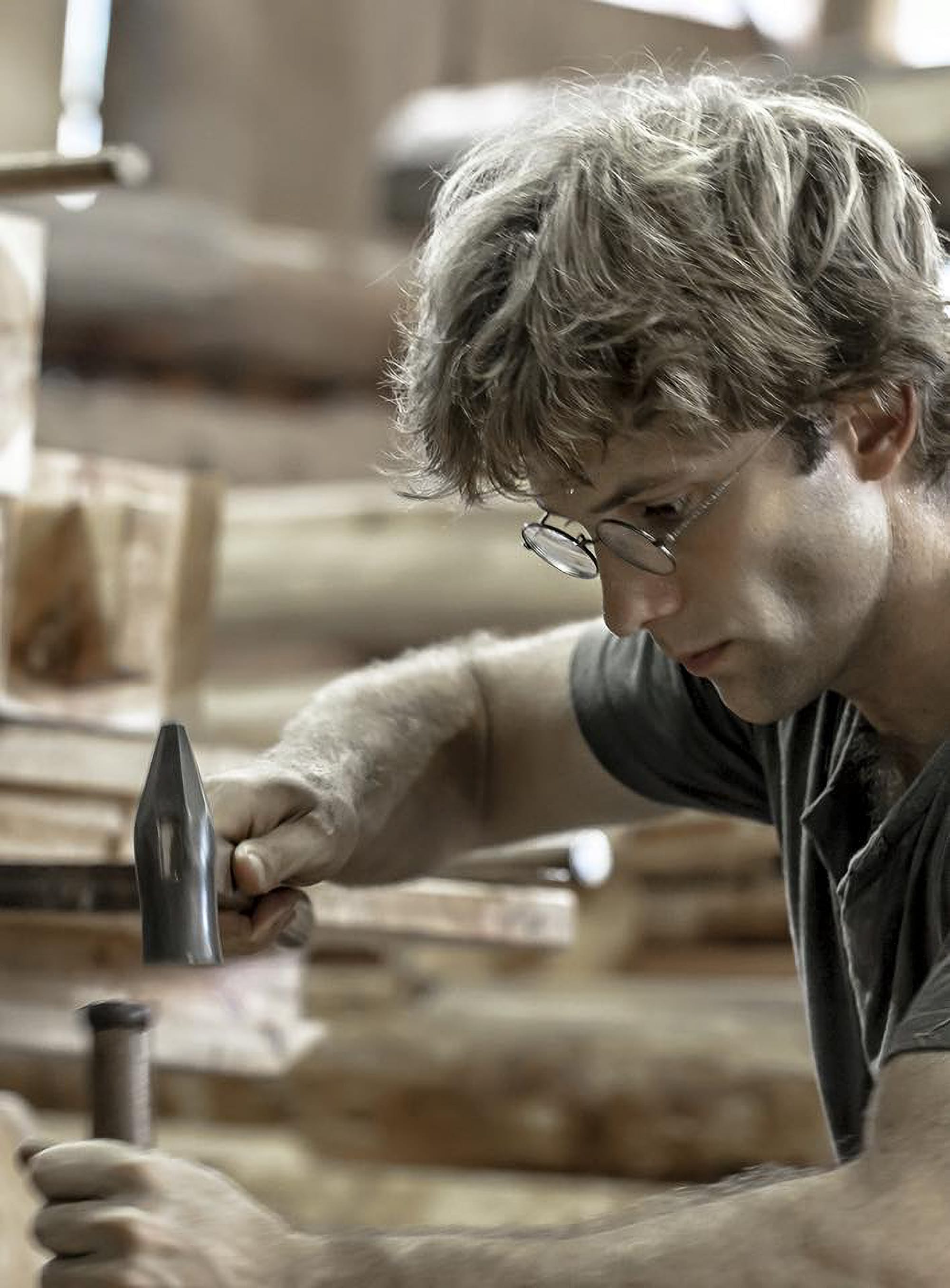
When you were starting out, you wouldn't get asked to go to a site because you weren't ready. You'd just be in the way. So we'd go to the warehouses and wipe down all the rounds so none of them ever got moldy. Or we'd organize stuff.
At some point you'd get half a year with the guy who got wood for all the craftspeople. He was technically a shokunin himself, but he wasn't a carpenter. He just got orders from them, went to the warehouses, got the wood he thought was good for that project, brought it back. They'd say yes, no, maybe. So he'd go back. Do it again. All day long.
That's how you started to get a really good affinity for the different kinds of wood. What's important for a lintel. What's important for doors. What's important for this kind of column.
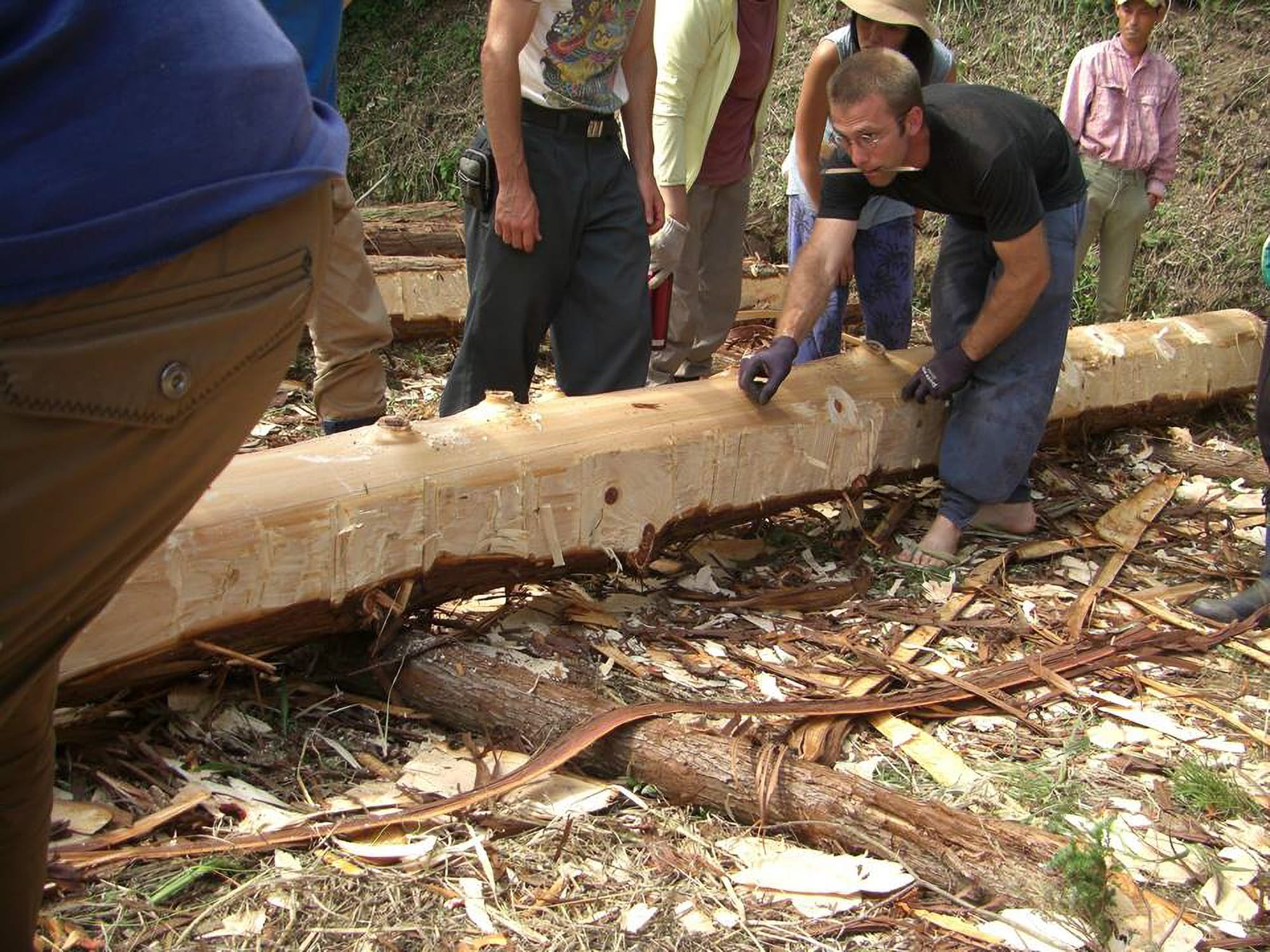
On site, because you weren't a carpenter yet, you were support for not just the carpenters, but for the plasterers, the guys doing scaffolding, the electrician—whatever craftsperson was there. Sometimes you'd be there just with crafts people who weren't carpenters, cleaning and doing whatever they told you and trying to stay out of the way.
At night, whenever you came back, we'd unload everything. We'd ask the carpenters what they needed us to do for the next day, and then we'd stay at the shop and clean the whole shop. Wash all the cars. Make sure everything was ready for whatever the carpenters needed for the next day, whether it was on site or in the shop.
There was a hierarchy. Usually one or two apprentices were assigned to a site, and it was their job to get everything ready. But the people assigned to sites had been apprentices longer than those who weren't. So they'd ask the other apprentices to get stuff ready while they were getting other things ready. That's how you learned what kind of prep was always going to be needed, so that you could, without being told, get a lot of stuff ready.
You were at the shop for quite a while after everyone left—an hour or two or more—just doing that. Then we'd go back and do aisatsu. We would check in with our boss's wife and say we've all come back, thanks for the day. Then we'd have dinner. Somebody would make our dinner for us.
If you ate dinner and you wanted to, you could go back to the shop and work on whatever you wanted. Work on your tools.
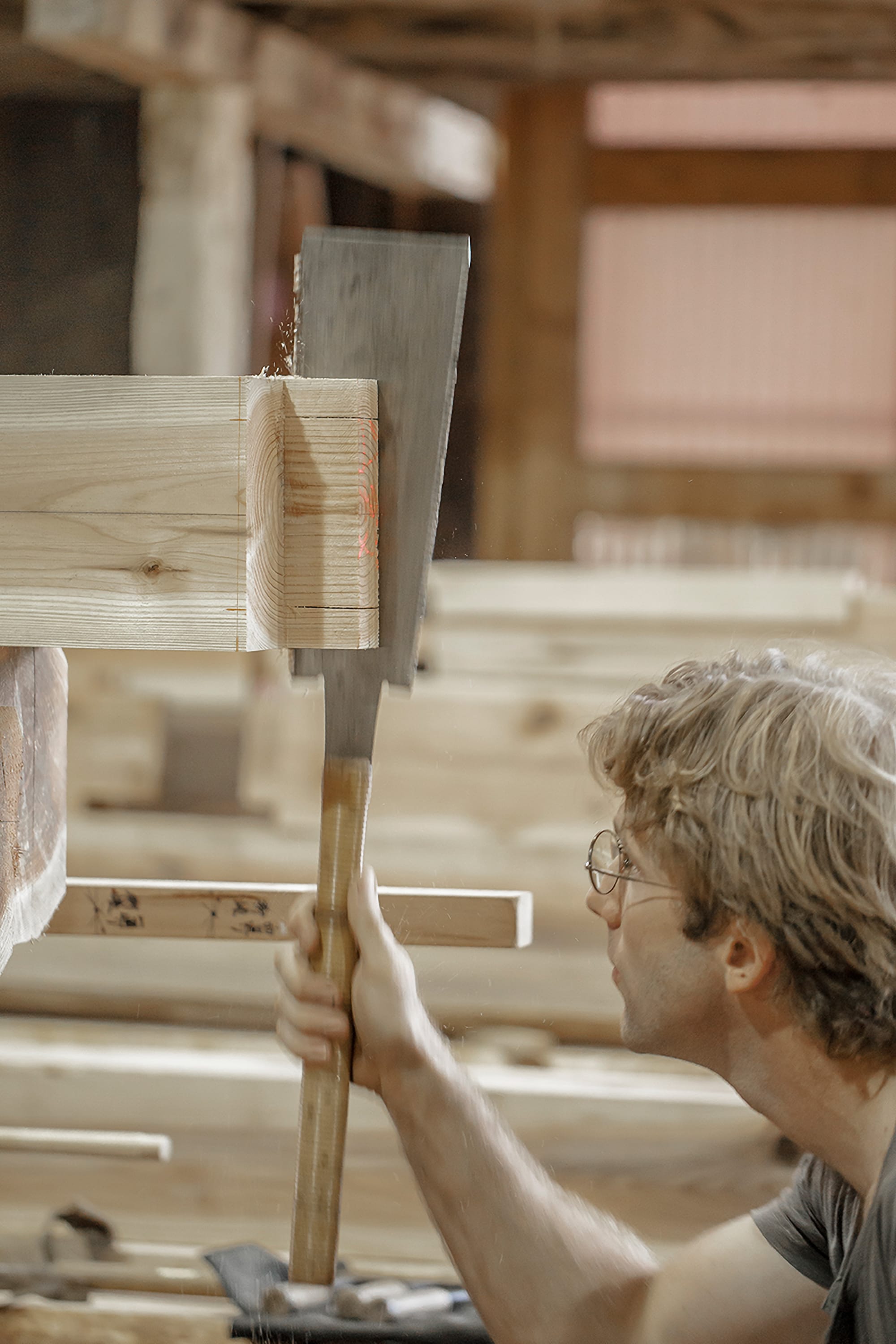
It was pretty clear within a year or two whether someone was going to keep doing carpentry. But most people wouldn't quit anyway, because of what they call giri—respect for the people that introduced them, their parents, and those who took them on. They would just stay.
There were people who would just get by with the bare minimum, and there were a few who would really get into their tools and making stuff. Get at it. Be in the shop every night.
It was like me and one or two other guys most nights. Then I'd come back and get in trouble because I'd do stuff in my closet.
Like what?
Like cut a plane die.
Isn't that loud when people are sleeping?
Well, they weren't sleeping. But eventually a couple apprentices hurt themselves and we weren't allowed to be in the shop late anymore. First it was a noise problem—the neighbors complained about power tools. Then a couple people got hurt using trimmers at night, and we had to take them to the hospital. So they said: avoid both problems, be back by ten.
So it was all hand tools at night, which is great. I mean, then you just use all hand tools to do a whole bunch of stuff and learn.
I was also learning Japanese. I didn't speak Japanese at all when I first got there.
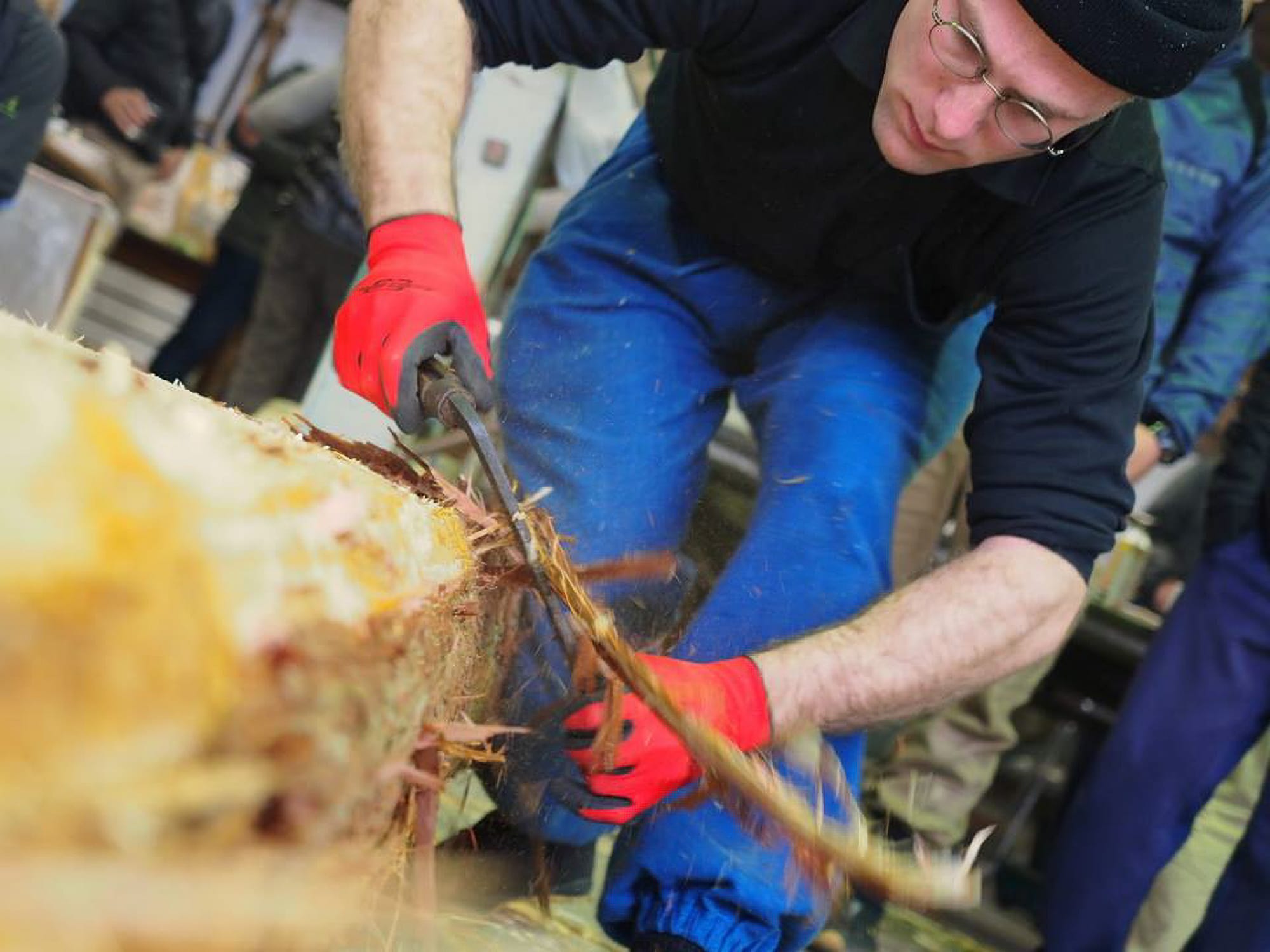
People who didn't have a lot of interest in carpentry would just go do the lowest work—take the garbage to the garbage place, take plane shavings to the horse farm. Then go sit around and do nothing at a convenience store.
I got in trouble early on because I told my senpai, "No, I'm not going with you." I knew they'd keep me all day. Eventually people get it, and the people that respect that you want to try start asking you to come do stuff with them. The people that want to take it easy do that.
Everybody knows. All the carpenters know. So they don't ask the guys that aren't trying to come to their site.
There's a rare person who kind of fell off, so to speak, and then in his fifth year—because in your fifth year, everybody would definitely get asked to go to site and actually get asked to do work—they kind of perked up, saw the light, and just really got interested. I remember one guy. I thought, "Man, there's no way he's going to continue being a carpenter." And then in his fifth year, he went from zero to a hundred.
Do you know why?
I think a lot is just youth. A lot of these guys are young. They want to play video games or whatever. I got there at twenty-six, so it was different for me. I also was American. I thought I was going to get sent back at any moment. There was a lot more fear of losing out on the opportunity.
A lot of people aren't like, "I want to be a carpenter," and then they go there. They're just introduced by way of this, that, or the other thing.
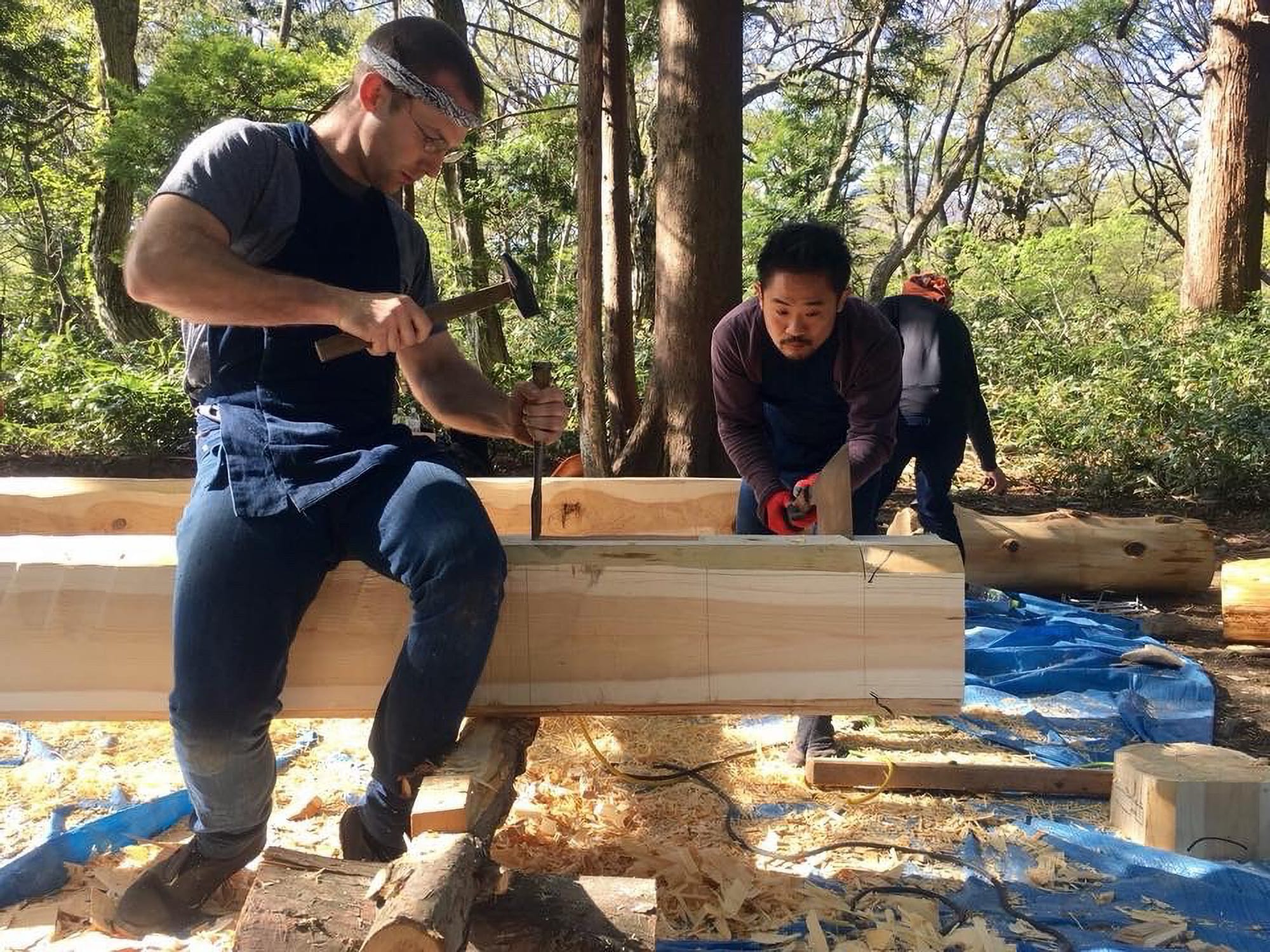
One of the guys at Nakamura told me: just slow down.
I was nervous. I thought I might not get the job I needed, might not learn as much as possible, might not get the next visa. He said something like, "Slow down and do it as best as you can. And then the next right sort of visa, or whatever—it'll turn up. Trust that part of it."
In Japan, they say isogu-mayō, which means if you hurry, you end up taking more time.
If you slow down and have this sense of calm and composure in your learning and your respect towards other people, then people want you around. So you naturally get the next opportunity. Whereas when you're fidgeting and trying to get everything all at once, people don't want that energy around.
You're also kind of saying, "I want this easier than all of you got it."
Or you want to be there so badly, but you're actually thinking about the future too much, and it's making you rush.
It can become a pretty egotistic stance. You're like, "Well, yeah, I know it took you guys fifteen, twenty years, but I can do it in three."
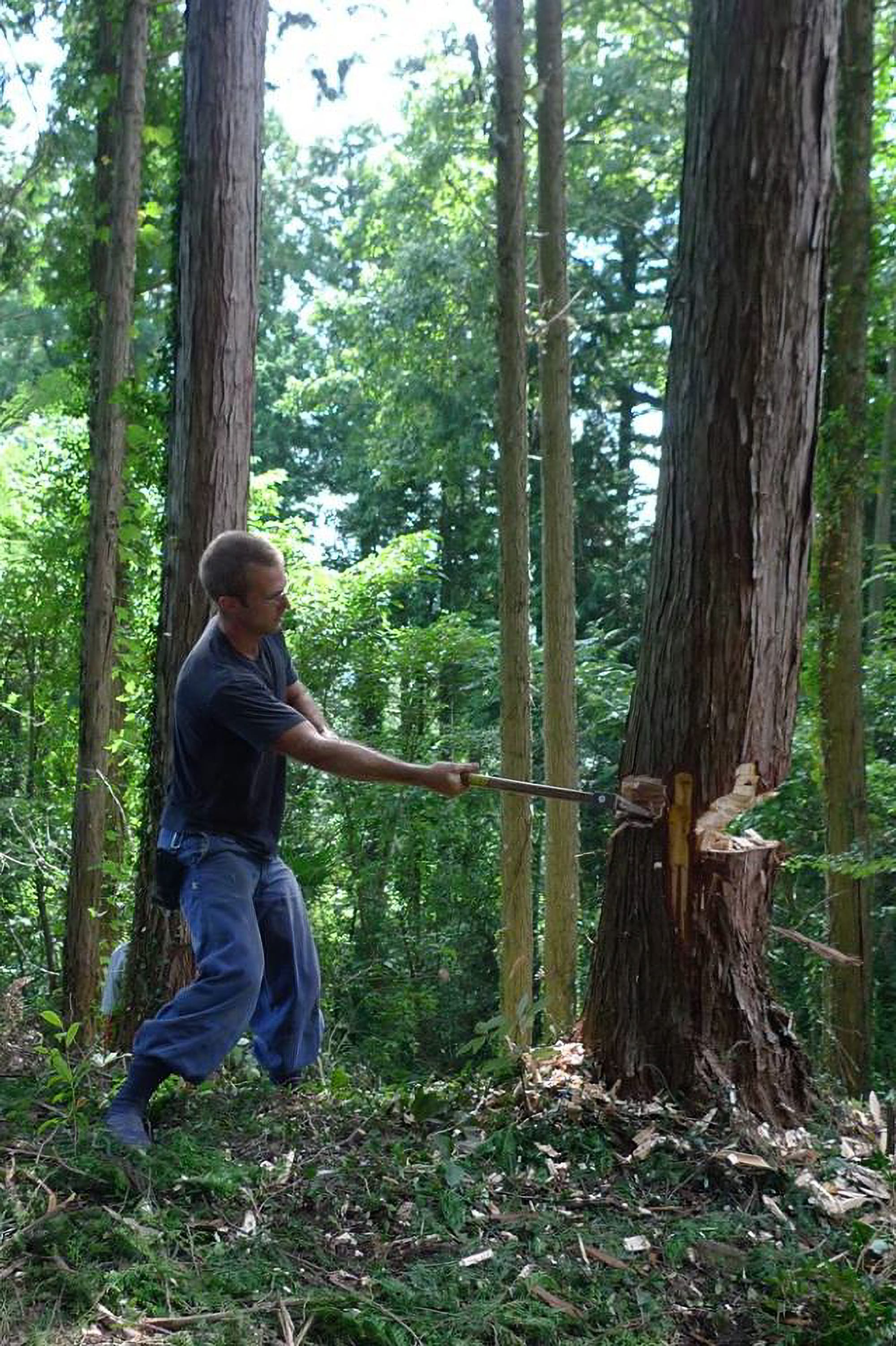
What do you look for in your apprentices now?
I don't really know what to look for. All you can do is hire them and see what happens. But you're looking for somebody with base integrity—when you're not looking, they're still trying their best.
It sounds crazy, but if you can find somebody who's not a typical twenty-something who wants to go party and get blasted, that helps a lot. Because there's not a lot of opportunity for that, particularly where we are. There's nowhere to go blow off steam here.
More powerful than typical desires is the desire to take advantage of the opportunity that exists here. Which is to learn.
And just be honest, and be able to say you're sorry, and be able to keep going.
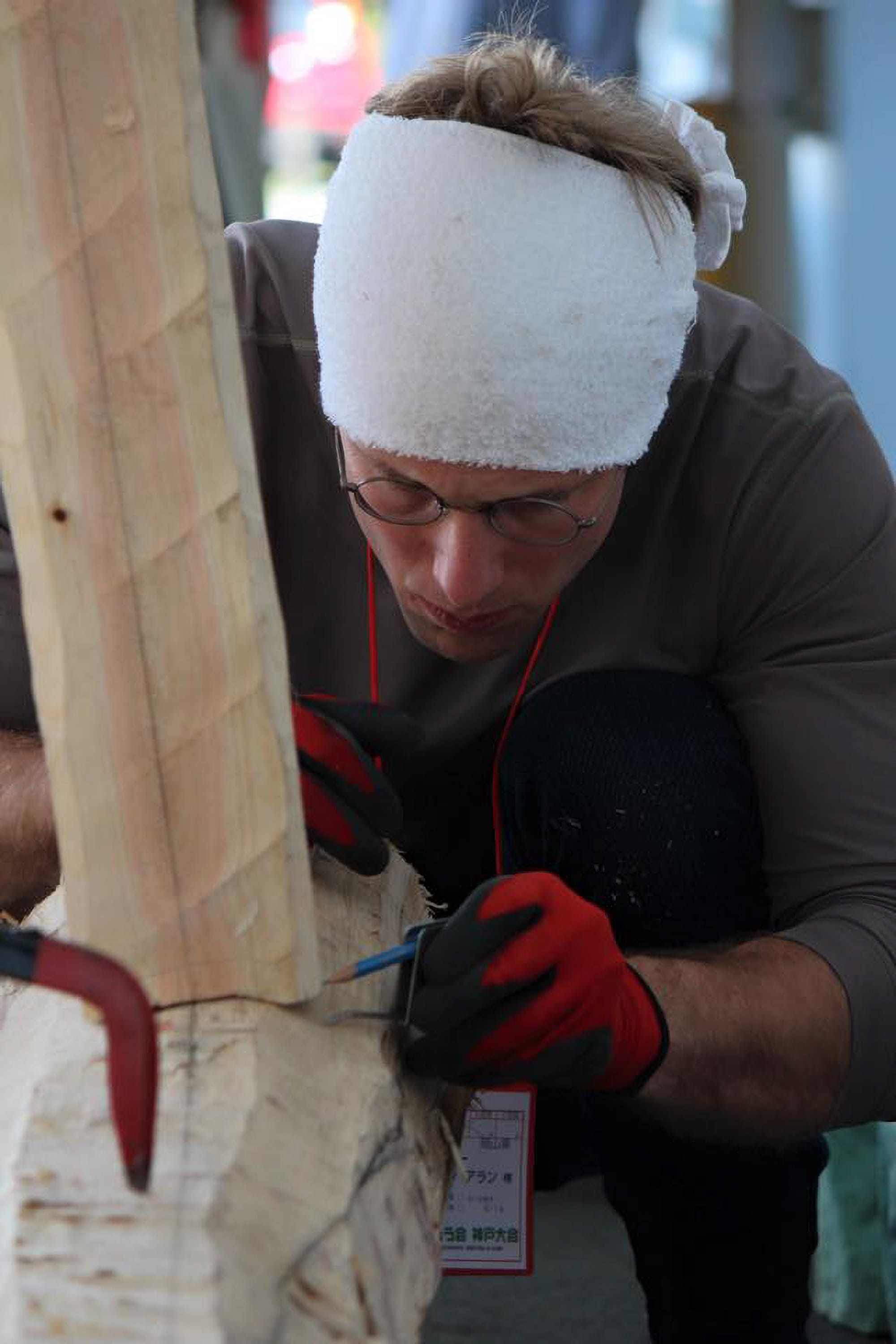
John Billing was a really skilled carpenter doing furniture and sculpture before he worked with us. Then he worked with us on and off for about three years. He was fantastic because he was on task when he needed to be on task. If he made a mistake, he would tell you sorry right away and wouldn't let it linger. He'd get back on task.
He was the kind of person you couldn't imagine wanting to get upset with because there was no need. He did great work. Did his best. Sometimes he made a mistake but he was constantly learning. He was constantly improving. He was teaching us stuff because of the way he learned and his curiosity.
Being interested in challenge is very important. It's challenging to get good at a lot of this stuff. Enjoying a challenge is really important. That's the main difference between people who take off and those who don't. It's not any natural talent. It's: do they enjoy a challenge?
The other thing I'll say is emotional intelligence. There's a lot of good carpenters with very little emotional intelligence. But they're difficult to deal with, particularly because you're inevitably going to encounter clients and social norms you need to navigate.
Do you think sensitivity as a human being, as it pertains to other people, also pertains to cutting wood?
Not at all. In fact, a lot of people who are unreasonably good at that sort of thing have next to zero emotional intelligence. It's like they've got all their points in that.
A lot of the best carpenters I've met are pretty difficult people to be around.
Students at the school learn so much so fast. But where's their next step? Does it just become Sunday carpentry, making stuff for friends?
You can get really good at the technical part of cutting things and understanding the tricks. But the thing of carpentry is a hundred times wider than that.
That said, it's so much fun to do the technical stuff. To learn how to do that really, really well, really fast—that's kind of gold.
Most people, when they start as a head carpenter, will say that in their first project, they had a huge increase in understanding. That's because you've been doing these cuts and seeing all these things for years, but it never really clicked.
Then somebody asks you, "How big is that groove? How wide? Where does it go—in the middle, to the outside?"
And for the first time, you have to really think about it creatively, critically.
I took notes and drawings. But when it came time to do it, I was like, "Damn, how does this go? Is this right?" You second-guess yourself.
That process is not easily teachable. But the technical stuff's really easily teachable.
Subscribe